
Play Bad Memories
Bad Memories Screenshots

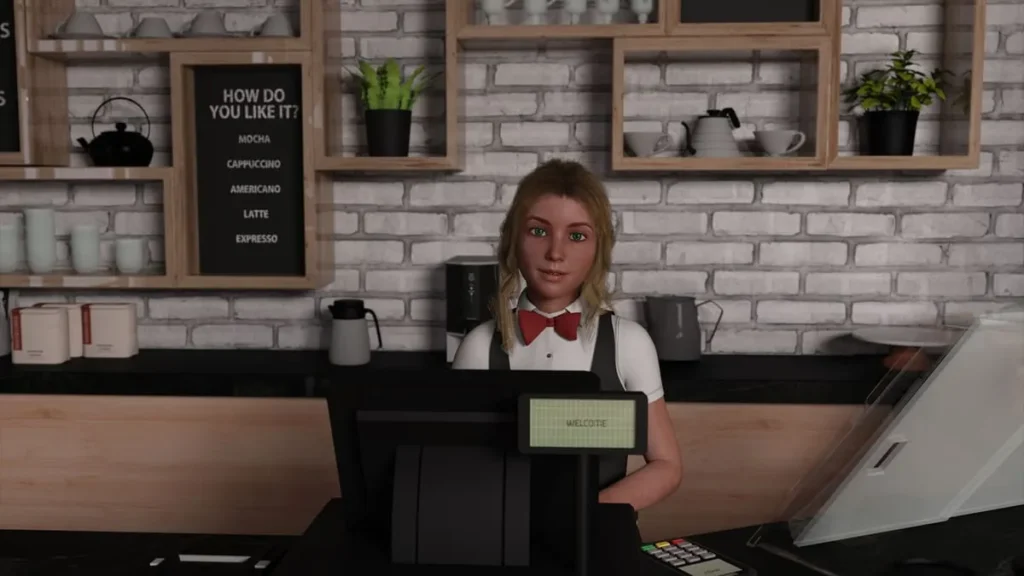






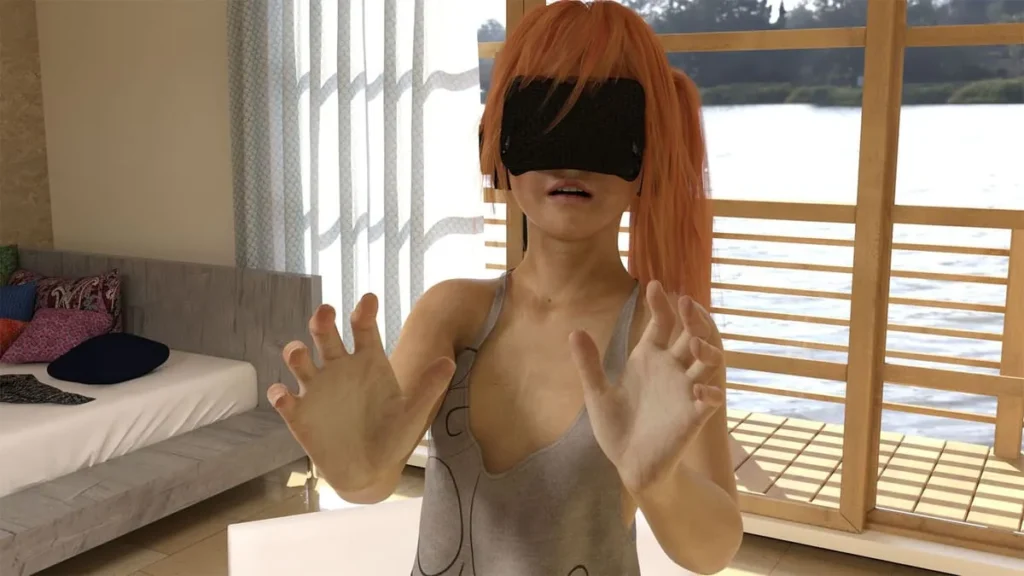
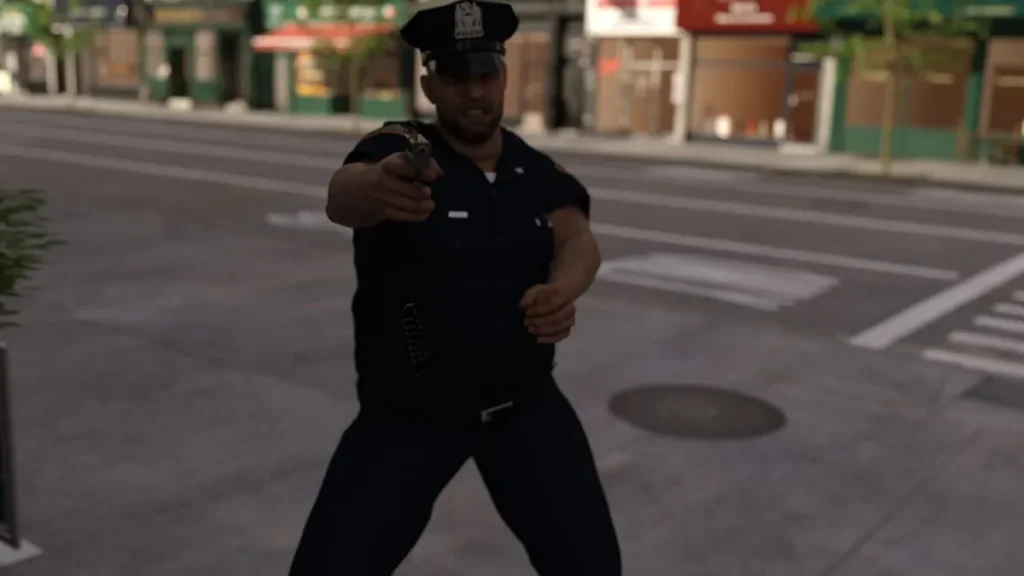












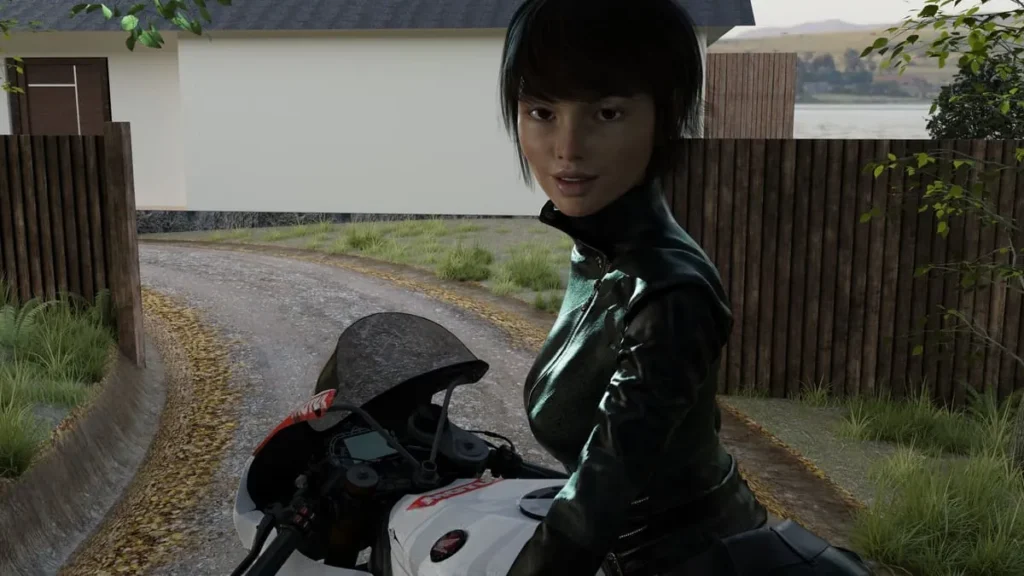

Bad Memories review
Explore storylines, character relationships, and gameplay mechanics in this choice-based narrative experience
Bad Memories is a choice-based visual novel that has garnered attention for its branching narrative structure and character-driven storytelling. Developed as an indie title, this game offers players multiple protagonist options and numerous decision points that shape the overall narrative experience. Whether you’re new to visual novels or a seasoned player, understanding the game’s mechanics, story paths, and character dynamics can significantly enhance your gameplay. This guide explores the essential elements of Bad Memories, from its core gameplay features to relationship mechanics and story outcomes.
Understanding Bad Memories Gameplay and Story Structure
So, you’ve clicked on this Bad Memories game guide because you’re intrigued. Maybe you’ve heard it’s not your typical linear story, or perhaps you’re already stuck, wondering how a tiny choice in Day 1 blew up your entire relationship by Day 5. 🕵️♀️ I’ve been there! The beauty—and sometimes frustration—of this choice-based narrative game is that every decision truly matters. It’s not just an illusion of choice; it’s a complex web of consequences waiting to be unraveled.
Welcome to the heart of the experience. This chapter is your blueprint to understanding the brilliant, intricate machine that makes Bad Memories tick. We’re moving beyond the surface to explore the gears and levers of its visual novel mechanics, its branching story paths, and the foundational choice that changes everything: who you are. Let’s get started.
Core Gameplay Mechanics and Choice System
At its core, Bad Memories is a masterclass in interactive fiction choices. Forget passive reading; this is an active participation sport. 🎮 The gameplay loop is elegantly simple: you read narrative text and character dialogue, and at key junctures, you are presented with a set of potential responses or actions. But don’t let that simplicity fool you. This is where the game truly earns its stripes as a deep choice-based narrative game.
The system operates on a principle of persistent memory. The game isn’t just looking at your last choice; it’s keeping a running tally of your personality, your allegiances, and your relationships. Think of it like a hidden character sheet. Choosing to be empathetic with one person might make you seem trustworthy to them, but suspicious to another. A seemingly trivial decision, like what to do during a quiet moment on Day 2, can unlock or permanently lock away entire scenes and conversations days later.
My Tip: On my first playthrough, I thought being consistently “nice” was the key to everyone’s hearts. I was wrong. Some characters respect boldness or honesty over plain niceness. The game rewards role-playing a consistent character, not just trying to please everyone.
This is amplified by what I call the “butterfly effect” coding. The developer has woven a tapestry where early threads directly influence later patterns. A supportive comment in one chapter might be referenced gratefully several in-game days later, opening up a new, more vulnerable dialogue option. This creates an unparalleled sense that your version of the story is truly your own.
Furthermore, the game incorporates a fascinating layer of unpredictability: a random event system. Certain scenes have a low probability of triggering, meaning even two playthroughs with identical major choices might have moments of surprising variation. 🎲 This genius design ensures that the branching story paths never feel completely mapped, encouraging that “just one more try” mentality to see what hidden moments you might have missed.
Protagonist Options and Character Perspectives
This is where Bad Memories separates itself from the pack: its protagonist selection gameplay. Before your story even begins, you make the most significant choice of all: do you experience this world as Alex (male) or Sam (female)? This isn’t a simple cosmetic swap or pronoun change. It fundamentally reshapes your narrative lens, social dynamics, and access to certain story beats.
The developer has been transparent about the immense challenge this posed. Creating two fully realized protagonists meant essentially writing, rendering, and coding large portions of the game twice to account for gender-specific content variations. The result, however, is breathtaking. Playing through both perspectives doesn’t feel like a rehash; it feels like exploring two sides of the same complex coin.
Choosing Alex or Sam changes how other characters perceive and interact with you from the very first line. Dialogue options shift in tone and content. Certain conflicts or alliances feel different. Some narrative paths and intimate moments are uniquely tailored to your chosen protagonist’s experience of the world. It’s a testament to the game’s commitment to its visual novel mechanics, doubling the narrative depth and replay value.
To give you a clear picture, here’s a breakdown of how this core choice echoes throughout your playthrough:
| Aspect | Alex (Male Protagonist) Experience | Sam (Female Protagonist) Experience |
|---|---|---|
| Key Dialogue Variations | Conversations often center on themes of perceived strength, legacy, and external pressure. Dialogue choices may involve navigating traditional expectations. | Interactions frequently explore intuition, internal conflict, and nuanced social navigation. Options can involve disarming tension or asserting agency in subtle ways. |
| Unique Scenes & Moments | Access to specific bonding scenes with male characters that focus on camaraderie or competitive dynamics. Some conflict resolutions play out differently. | Exclusive scenes that delve into different forms of intimacy and trust with key characters. Certain vulnerable story beats are only available from this perspective. |
| Relationship Mechanics | Relationship progression with some characters may require demonstrating reliability or challenging them directly. The path to trust can be more action-oriented. | Building deep bonds with certain characters often hinges on emotional honesty and shared confidence. Trust is built in layers of conversation. |
| Narrative Tone | The story can often feel like a journey of defining one’s own path against a set of pre-written expectations. | The narrative may carry a stronger undercurrent of uncovering hidden truths and navigating complex emotional landscapes. |
Understanding this dichotomy is crucial for your Bad Memories game guide strategy. If you’re aiming to see the full scope of the story, planning at least two primary playthroughs—one with each protagonist—is essential. It’s the only way to fully appreciate the masterpiece of interactive fiction choices the developer has built.
Story Branching and Multiple Endings
Now, let’s map the journey. The structure of Bad Memories is a meticulously planned timeline, typically spanning from Day 0 to Day 7 and beyond. 🗓️ Each day is a new chapter, containing key locations, central scenes, and those all-important decision points. The branching story paths aren’t random; they are the direct result of the seeds you plant early on.
The game’s narrative is less a straight line and more a tree, with major limbs (primary relationship paths) splitting into branches (specific outcomes within that path), which then culminate in various endings (the final leaves). Your ending isn’t just determined by a last-chapter choice; it’s the culmination of your entire behavioral history. The game constantly evaluates your relationship scores, key story flags (like “Did you discover Character X’s secret?”), and major plot decisions.
To help you visualize the scope, here’s a simplified timeline of the core game days and the weight of the choices within them:
- Day 0 – The Prologue: This is your foundation. How you interact here sets your initial relationship values and establishes your character’s first impressions. It feels low-stakes, but these are the roots of your tree.
- Day 1-3 – Building Connections: The branching story paths begin to diverge. You’ll start spending time with different characters. Key choices here determine whose subplot you are primarily following. Locking in a path with one character might make another less available. This is where role-playing consistently really pays off.
- Day 4-5 – Rising Tension & Conflict: Consequences from early decisions start to surface. Missed opportunities become apparent. Conflicts arise based on your allegiances. The random event system can throw beautiful or complicating wrinkles into your planned path.
- Day 6-7 – Climax and Resolution: The narrative threads you’ve been pulling converge (or unravel). Your available options here are directly filtered by your past. The final sequences and confession scenes available are entirely dependent on the path you’ve nurtured.
- Beyond Day 7 – Epilogues & Endings: The true finale. The game presents endings ranging from hopeful and romantic to bittersweet or even tragic, all logically derived from your journey. Achieving a specific “perfect” ending often requires a very specific set of choices and relationship thresholds across the entire timeline.
Navigating this requires both strategy and heart. Use your first playthrough to immerse yourself and see where your instincts take you. Then, use this Bad Memories game guide as a reference to intentionally explore other branching story paths on subsequent runs. The joy of this choice-based narrative game is in the discovery—realizing how deep the rabbit hole goes and seeing how a different version of “you” can create a wholly different, equally compelling story. Your Bad Memories is waiting to be written, remembered, and revisited. ✨
Bad Memories stands out as a choice-driven visual novel that emphasizes player agency and narrative consequence. The game’s branching story structure, multiple protagonist options, and intricate relationship mechanics create a personalized experience for each player. Understanding the decision system, character dynamics, and story paths allows players to navigate the game more effectively and discover the full range of available content. Whether you’re pursuing specific character relationships, seeking particular endings, or simply exploring the narrative possibilities, the mechanics and systems within Bad Memories reward careful attention to choices and their consequences. As the game continues to receive updates and additional content, players can look forward to expanded storylines and new relationship paths that further deepen the interactive experience.