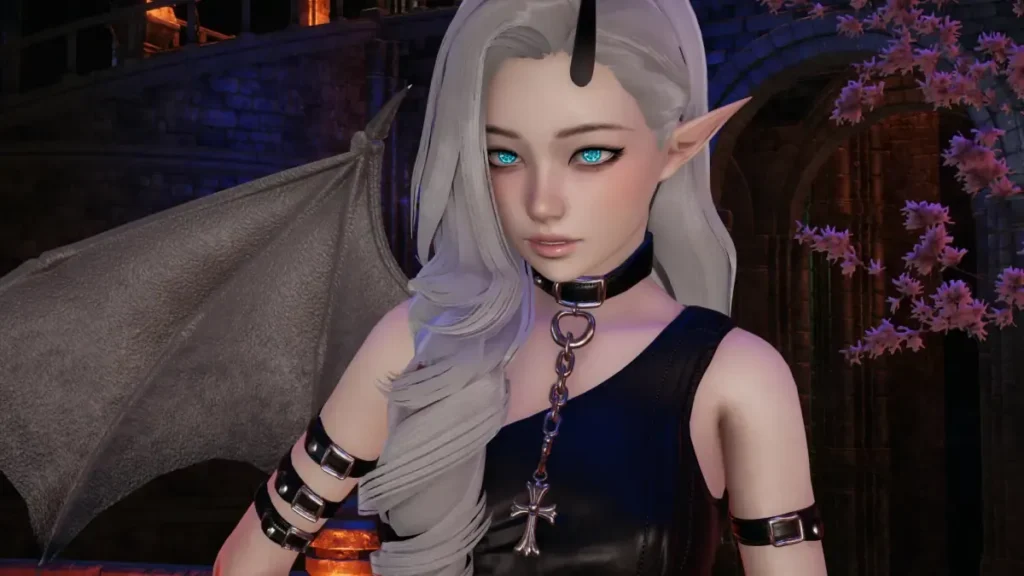
Companion of Darkness
Play Companion of Darkness
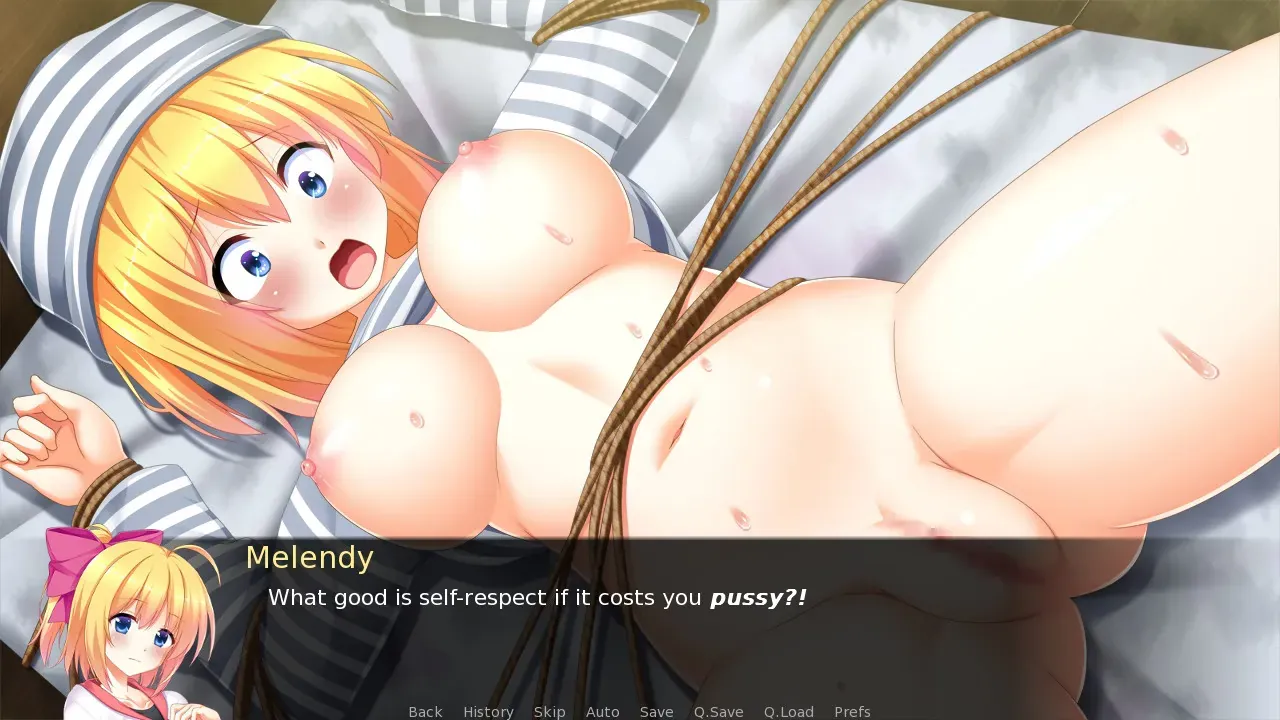
Companion of Darkness Screenshots



Companion of Darkness review
Explore the rich storytelling, character development, and immersive gameplay of this interactive narrative experience
Companion of Darkness stands out as a captivating interactive game that combines rich narrative storytelling with complex faction dynamics and engaging political intrigue. Players immerse themselves in a world filled with intricate character relationships, meaningful choices, and compelling lore that keeps them invested throughout their journey. Whether you’re drawn to narrative-driven experiences or appreciate games with substantial depth, understanding what makes Companion of Darkness unique can help you determine if it’s the right game for your preferences. This guide explores the key features, gameplay elements, and what players consistently praise about this interactive experience.
Gameplay Mechanics & Story Elements
Let me tell you about the first time I realized Companion of Darkness was more than just another game. I was two hours into a playthrough, deeply entangled in a tense dialogue with the charming but morally grey spymaster, Kaelen. He offered me a deal: expose a rival’s secret to gain his faction’s favor. I clicked what I thought was a harmless, probing question. The game didn’t just move on; the screen darkened slightly, Kaelen’s smirk vanished, and his tone turned icy. Three hours later, that single “harmless” choice had locked me out of an entire alliance and altered the fate of a major character. My jaw dropped. I had to start over. That moment of genuine surprise and consequence is the heart of this incredible interactive narrative game. It’s not about watching a story unfold—it’s about living inside one, where every word and every silence writes your unique legend.
The Companion of Darkness gameplay masterfully blends several genres, but at its core, it’s a rich, choice-driven experience. It understands that true immersion comes from feeling the weight of your decisions, from the intimate whispers in a moonlit garden to the thunderous decrees in the royal court.
What Makes the Narrative Experience Unique
Forget passive storytelling. 🎭 Companion of Darkness throws you headfirst into a realm teetering on the brink of a magical civil war. You are not a passenger; you are the catalyst. The game structures its world as a living, breathing entity that reacts to your presence. The unique narrative engine doesn’t just track a simple morality meter; it maps your reputation, personal bonds, political leanings, and even the subtle biases you display in conversation. This depth is what elevates it beyond a standard interactive narrative game.
The immersive game animations play a huge, often understated role here. We’re not talking about explosive combat cutscenes (though those exist!). Instead, it’s the subtle things: a character’s eyes flicking away in shame when you mention a past failure, the way rain beads and runs down a window during a melancholic confession, or the aggressive clench of a fist when a diplomatic meeting sours. These animations are the body language of the story itself, adding layers of meaning that text alone could never convey. You’re not just reading a character is angry; you’re seeing the tremor of suppressed rage in their posture. It’s phenomenally effective.
This world is built on a foundation of deep lore. From the ancient, moss-covered stones of the Verdant Circle’s groves to the stark, rune-etched metals of the Arcane Congress’s towers, every location whispers history. You’ll discover this lore organically—through whispered rumors in taverns, entries in a discoverable codex, or even in the personal stories your companions share over a campfire. The world feels ancient and complete, making your journey through it all the more significant.
Here are the key pillars that define this unique Companion of Darkness gameplay experience:
* A Hybrid Format: It leverages the focused, narrative strength of a visual novel but injects the exploration and discovery elements of an RPG. You’ll navigate beautiful, illustrated environments, uncovering secrets and triggering events.
* The Consequence Engine: Every major decision is logged in a beautifully illustrated “Tapestry of Fate” menu, showing you the direct ripple effects of your actions on characters and the world state.
* Pacing with Purpose: The visual novel format allows for deliberate pacing. Tense moments can stretch out, making you sweat over a dialogue choice, while peaceful moments of reflection let you absorb the emotional weight of the story.
* Lore as a Reward: Knowledge is power. Understanding the ancient feud between two houses or the true nature of the “Darkness” can open up new dialogue options and entirely new Companion of Darkness story paths.
Character Development & Relationship Building
This is where the game truly sings as a character relationships visual novel. 🫂 The companions you meet are not mere followers with combat stats; they are complex individuals with their own ambitions, traumas, and moral codes. Your relationship with each is a separate, evolving storyline.
Take Elara, the stern knight sworn to a fading oath. Early on, she may seem rigid and unyielding. But through your choices—choosing to spare a foe she condemns, or upholding a promise she thought you’d break—you can slowly earn her respect. This isn’t about gifting her favorite trinket to fill a meter. It’s about demonstrating values that align with (or intriguingly challenge) her own. The game tracks your affinity across multiple axes: Trust, Respect, Affection, and Fear. You might have a companion’s total Trust, but zero Respect if you achieve your goals through cowardice.
These relationships directly gate narrative content and power. Achieving a deep bond with Kaelen the spymaster might unlock a mission where he reveals his secret network, offering you unique political solutions. Conversely, alienating Seraphina, the idealistic mage, could mean she refuses to cast a crucial spell in the story’s climax, forcing you to find a far more dangerous alternative.
My Tip: Don’t try to please everyone. On my second playthrough, I fully committed to a cynical, pragmatic role. I lost the loyalty of the “lighter” characters, but in return, the more ruthless companions shared secrets and strategies they never would have with my heroic first character. It felt like a completely different story.
The character relationships visual novel mechanics are expressed through intimate “Bonding Scenes.” These are not always romantic; they are crucial moments of conversation and shared activity that define your connection. A bonding scene might be a quiet drink where a companion confesses a lifelong guilt, or a tense debate on philosophy while navigating a treacherous canyon. Your choices here are paramount, permanently shaping your dynamic.
Interactive Choices & Player Agency
Agency is the promise, and consequence is the delivery. 🧭 The player choice consequences in Companion of Darkness are systemic, far-reaching, and often beautifully brutal. The game excels at “soft-failing” you—that is, it rarely gives a “Game Over” screen. Instead, it forces you to live with the messy, complicated outcomes of your decisions.
Let’s walk through an example. Early in the game, you mediate a dispute between a village and a nearby forest druid circle.
* Choice A: Side with the villagers, allowing them to cut down a sacred grove for lumber. Immediate reward: Village prosperity increases, they gift you valuable supplies.
* Choice B: Side with the druids, protecting the grove. Immediate result: Villagers are hostile, you lose a potential rest stop.
* Choice C: Attempt a risky, resource-costing compromise.
Seems straightforward, right? Here’s where the Companion of Darkness gameplay depth appears. Ten hours later:
* If you chose A, the druids are now a hostile faction. A companion who is nature-aligned may leave your party in disgust. Later, a major story quest involving ancient forest magic becomes exponentially harder.
* If you chose B, when the region later faces an invasion, that village is poorly fortified and gets razed. You carry the guilt. However, the druids may appear later to aid you with powerful magic.
* If you chose C and succeeded, you unlock a unique late-game vendor who trades rare items. Fail the compromise, and you might end up with the worst outcomes of both A and B.
This is the essence of player choice consequences. It’s a web, not a branch.
Central to this agency is the brilliant faction system political intrigue. 🔥 You are navigating a three-way cold war:
* The Crown Legion: Authoritarian, militaristic, believing order must be enforced with an iron fist to survive the Darkness.
* The Arcane Congress: Elite, knowledge-obsessed, willing to sacrifice freedom and tradition for magical power and “logical” solutions.
* The Verdant Circle: Spiritual, traditional, deeply connected to the land, but often resistant to progress and slow to act.
Your alliances here are not a binary join/don’t join. Every public action, every whispered favor, and every closed-door deal shifts your standing with these groups. This faction system political intrigue means that gaining the full trust of one faction often means earning the enmity of another. The game’s political landscape is a puzzle you solve through diplomacy, espionage, or brute force.
| Faction | Core Philosophy | Potential Benefit for Allying | Major Narrative Consequence of Opposing |
|---|---|---|---|
| The Crown Legion | Strength Through Unity & Order | Access to elite troops for major battles; authority to command local garrisons. | Being branded an outlaw in regulated territories; facing military-grade obstacles. |
| The Arcane Congress | Progress Through Knowledge & Power | Unlocking forbidden archives for lore; receiving powerful arcane artifacts and enchantments. | Magical barriers and curses become impassable; key intellectual allies are silenced. |
| The Verdant Circle | Balance Through Tradition & Nature | The natural world itself aids you; healing and support abilities are greatly enhanced. | The land can turn against you—storms, treacherous paths, poisoned resources. |
Your journey through these factional conflicts directly defines the Companion of Darkness story paths. There are multiple, radically different end-game states. Will you become the ruthless monarch who unites the realm by force? The wise archmage who seals the Darkness away at a terrible personal cost? The chosen voice of the ancient land, transforming society from its roots? Or something else entirely? The game acknowledges your unique blend of relationships, faction standings, and moral decisions to craft a finale that feels truly yours.
The beauty of this interactive narrative game is that it respects your intelligence. It doesn’t signpost “THIS IS A MAJOR DECISION.” Sometimes, the most pivotal moment is a quiet kindness shown to a servant, or a document you choose to burn rather than read. Your agency is total, and the world remembers. That is the unparalleled magic of Companion of Darkness.
Companion of Darkness delivers a compelling experience for players seeking narrative depth, complex character interactions, and meaningful storytelling. The game’s combination of rich lore, engaging animations, and intricate faction dynamics creates an immersive world that rewards exploration and thoughtful decision-making. Players consistently praise the character models, plot originality, and overall production quality that brings the story to life. Whether you’re interested in political intrigue, character-driven narratives, or interactive storytelling, Companion of Darkness offers substantial content that justifies the investment of your time. If you appreciate games where your choices matter and where narrative depth takes center stage, this interactive experience is worth exploring.