
Deviant Anomalies
Play Deviant Anomalies
Deviant Anomalies Screenshots























Deviant Anomalies review
Master every quest, case, and character recruitment in this detective adventure
Deviant Anomalies is a detective-driven adventure game that combines investigative gameplay with character-driven narratives and multiple branching questlines. Whether you’re stuck on a specific case, trying to recruit characters, or looking to maximize your gameplay experience, this comprehensive guide covers everything you need to know. From the initial 7-11 case to complex character recruitment quests and investigation sequences, we’ll walk you through each step to help you progress efficiently and uncover all the game’s content.
Getting Started: Cases and Investigation Mechanics
Ever felt completely lost during your first few hours in Deviant Anomalies? 😅 I sure did. Staring at the case board, unsure which clue mattered, and realizing I’d totally bungled an interrogation because I rushed it… we’ve all been there. This detective adventure is brilliant, but it doesn’t hold your hand. That’s where a solid Deviant Anomalies cases walkthrough comes in, especially for those foundational missions that make or break your entire playthrough.
Think of the early game as your training ground. Mastering these initial investigations isn’t just about solving the immediate mystery; it’s about building the skills, resources, and reputation you’ll need for everything that follows. This chapter is your personal guide to getting it right from the start. We’ll crack the introductory case wide open and then dive deep into your first major challenge, laying out a roadmap so you can progress with confidence. 🗺️🔍
Understanding the 7-11 Case and Early Progression
Let’s talk about the 7-11 case guide. This isn’t just the first case; it’s the game’s elegant way of teaching you its language. You’re thrown into what seems like a simple convenience store incident, but it quickly unravels into something stranger. The genius here is that it forces you to use every core tool in your kit.
You’ll learn to scan environments meticulously—that gum wrapper under the counter or the specific arrangement of fallen items isn’t just set dressing. It’s evidence. This case teaches you to link clues in your notebook, forming connections that open new dialogue paths. My biggest rookie mistake? I treated the initial witness interview as a simple Q&A. I clicked through the obvious questions, got my “lead,” and moved on. Big error. 🚫
The 7-11 case guide truly emphasizes the “exhaust all dialogue” rule. That hesitant clerk has more to say if you ask about her shift pattern after you’ve shown her the security footage discrepancy. The game rewards conversational patience with extra experience and, crucially, more resources. Completing this case thoroughly sets a financial and informational baseline.
Here’s the key takeaway: treat the 7-11 case as a practice run. Your goal isn’t just to close it, but to master the process. The money you earn funds better gear and character-specific items needed for recruitment quests later. The reputation you gain determines which leads citizens will trust you with. Nail this Deviant Anomalies cases walkthrough starter, and you build momentum for the complex mysteries ahead.
The Spear of Longinus Investigation: Multi-Phase Approach
Welcome to your first real test. The Spear of Longinus investigation is where Deviant Anomalies stops being polite and starts getting real. This multi-stage case involves a missing artifact, a secretive congregation, and a descent into literal and metaphorical darkness. It can feel overwhelming, so let’s break it down phase by phase.
Phase 1: The Church Investigation 🏛️
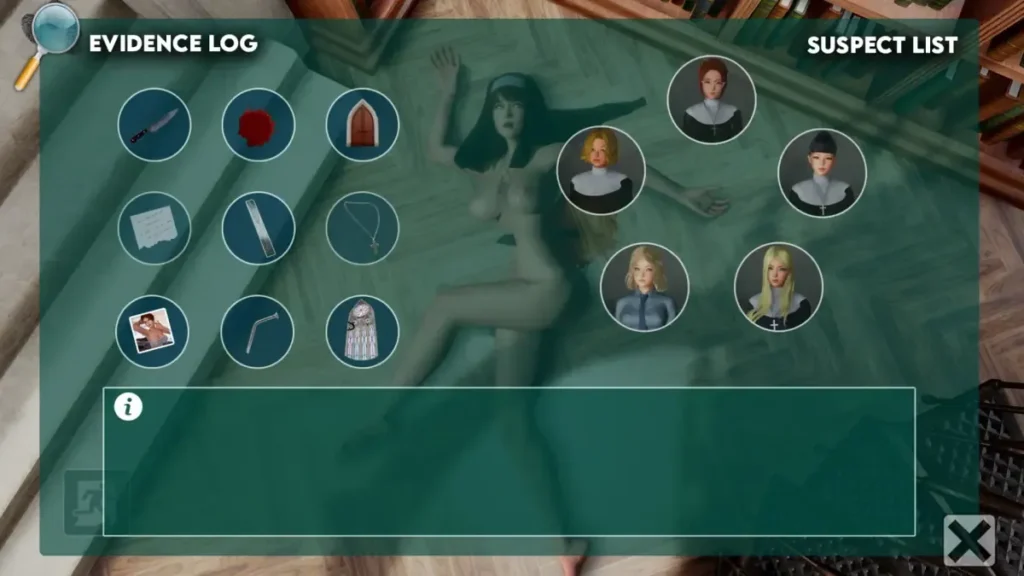
The Deviant Anomalies church investigation begins at the imposing St. Ignatius Cathedral. Your goal here is twofold: gather physical evidence and profile the key personalities. Don’t just look for the obvious “shiny” clues. Examine the pews for unusual wear patterns, check the donation ledgers for anomalies (look for repeating, symbolic amounts), and pay close attention to the iconography behind the altar. It’s a puzzle where the environment tells half the story.
The caretaker, Brother Silas, is your primary source. He’s wary. Blunt questioning about the spear will get you nowhere. Instead, use clues found in the environment to frame your inquiries. Show him the peculiar ledger entry first, then ask about the donors. This approach, part of any good Spear of Longinus investigation, unlocks a more cooperative witness. This phase is about building a foundation of trust and facts before the pressure escalates.
Phase 2: The Interrogation Room ⚖️
This is where your case can soar or stumble. Based on your church findings, you’ll bring in a person of interest. The interrogation choices Deviant Anomalies presents here are critical. You’re not just choosing “good cop/bad cop.” You’re deciding which piece of evidence to present, in which order, to break their story.
Pro Tip: Never lead with your strongest evidence. Start with a minor contradiction to see how they react and lie. Then, escalate. Presenting the stained altar cloth before confronting them with the crypt key you found creates a narrative trap they can’t escape.
The outcome directly affects what you learn about the artifact’s location and the motives behind the theft. A failed interrogation might still point you to the crypt, but you’ll miss the vital context about the “ritual schedule,” making the next phase much harder. Managing these interrogation choices Deviant Anomalies style is about psychology, not brute force.
Phase 3: The Crypt Descent 🕯️
Your final stop is the crypt exploration guide portion. This is a tense, atmospheric sequence combining light puzzle-solving, environmental navigation, and a final revelation. Resources matter here. Did you buy a better flashlight from the shop with your case earnings? It will illuminate hidden symbols on the walls, revealing the correct path. Did you exhaust dialogue with the caretaker? He might have mentioned the “three archways,” saving you from a nasty trap.
The path is linear but fraught with distractions. Ignore the echoing whispers; they’re meant to disorient you. Focus on the tangible: the placement of skeletons, the direction of faded footprints, and the types of dust disturbed on the floor. This crypt exploration guide principle is simple: the environment has been changed by recent activity. Look for those changes. The culmination of this Spear of Longinus investigation is a satisfying payoff that perfectly blends all the skills you’ve used so far.
| Investigation Phase | Primary Location | Key Objectives | Critical Choice/Clue |
|---|---|---|---|
| 7-11 Case | Convenience Store & Street | Learn scanning, evidence linking, basic interrogation. | Linking the dropped membership card to the security log time stamp. |
| Spear of Longinus: Phase 1 | St. Ignatius Cathedral | Gather environmental evidence, profile the caretaker. | Finding the hidden ledger with coded donor entries in the vestry. |
| Spear of Longinus: Phase 2 | Precinct Interrogation Room | Break the suspect’s alibi using evidence hierarchy. | Choosing to present the mud sample (from crypt) before showing the stolen altar key. |
| Spear of Longinus: Phase 3 | Cathedral Crypts | Navigate traps, solve environmental puzzles, find the artifact. | Following the “un-disturbed” dust path between the third and fourth archway. |
Investigation Strategies and Resource Management
Solving cases in Deviant Anomalies isn’t just about having a sharp mind; it’s about smart detective game progression tips. Think of yourself as a small business owner—your time, money, and reputation are your capital. Here’s how to invest them wisely.
The Dialogue Exhaustion System: Your #1 Tool
The game’s most important detective game progression tips revolve around talking. Every conversation is a tree, not a line. New branches appear only after you discover related clues. My strategy? I now run a two-pass system on every major character.
1. Pass One: Talk to them as soon as you meet them. Ask every available question.
2. Pass Two: Return after you’ve completed a major evidence find or location scan. New options, often marked with a subtle “…” or a different color, will appear. This is where the real secrets are buried.
To master the interrogation choices Deviant Anomalies throws at you, follow this actionable checklist:
- Map the Flow: Before clicking, mentally note which evidence points to which part of their statement.
- Start Soft: Open with a question about their routine or background. Build a (false) sense of security.
- Introduce a Minor Contradiction: Use a small, physical clue (e.g., a unique soil on their shoe) that conflicts with their story.
- Observe the Reaction: The game’s character models are detailed. A shift in posture or glance away signals weakness.
- Apply Pressure with a Major Clue: Now reveal your “smoking gun” evidence linked to the crime scene.
- Offer a Way Out: Once they’re rattled, often a “help me understand” or “there’s more to this, isn’t there?” option appears, leading to full confession.
Funding Your Detective Career 💰
Cases like the 7-11 case guide and the Spear of Longinus investigation are your primary income. But the reward isn’t flat. A “Case Closed” rating depends on:
* Thoroughness: Did you find all clues?
* Efficiency: Did you solve it with minimal wrong accusations?
* Insight: Did you uncover the full motive, not just the culprit?
Higher ratings mean more money. This cash is vital for purchasing character-specific items (a rare book, a specific tool) needed to trigger their recruitment quests. You can’t recruit the historian, for example, without first buying the antique manuscript from the pawn shop—funded by your early case work. It’s a brilliant loop: better Deviant Anomalies cases walkthrough performance funds team expansion, which unlocks special abilities to solve future cases even better.
Linking Cases to Character Quests
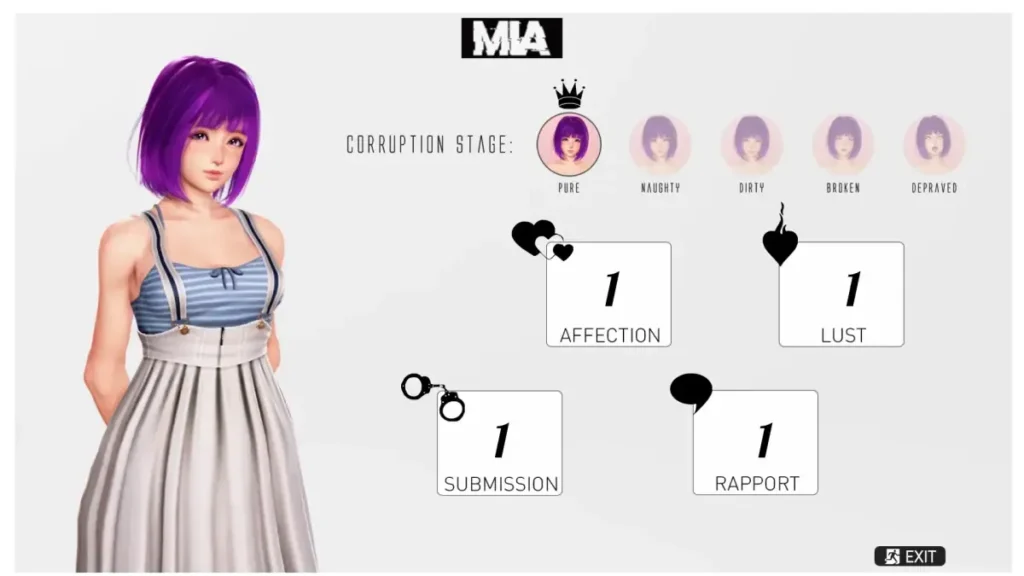
Progression is gated, but logically. You won’t get the chance to help the tech expert with her side quest until you’ve proven your deductive skills in a case involving electronic evidence (like the 7-11 security system). The Spear of Longinus investigation, with its historical and religious themes, often opens the door to recruiting characters with knowledge in those areas. Always check in with your potential allies at the hub world after concluding a major case. New dialogue and quest triggers frequently appear based on your most recent success.
Sticking to these detective game progression tips transforms the game from a series of frustrating roadblocks into a smooth, rewarding ascent. You stop feeling like a reactive novice and start operating like a proactive master detective, where every scanned object and every chosen word builds systematically toward uncovering the grand, deviant truth. 🕵️♂️✨
Deviant Anomalies offers a rich experience combining detective work, character relationships, and branching narratives that reward exploration and careful decision-making. By understanding the core case mechanics, mastering character recruitment strategies, and optimizing your approach to resource management, you can unlock the full depth of what the game has to offer. Whether you’re pursuing specific character relationships, solving complex investigations, or aiming for complete story coverage, this guide provides the roadmap you need. Take your time with each quest, exhaust dialogue options to uncover all story details, and don’t hesitate to revisit earlier sections if you find yourself stuck. The game’s multiple branching paths mean there’s always something new to discover on subsequent playthroughs.