
Mist
Play Mist
Mist Screenshots




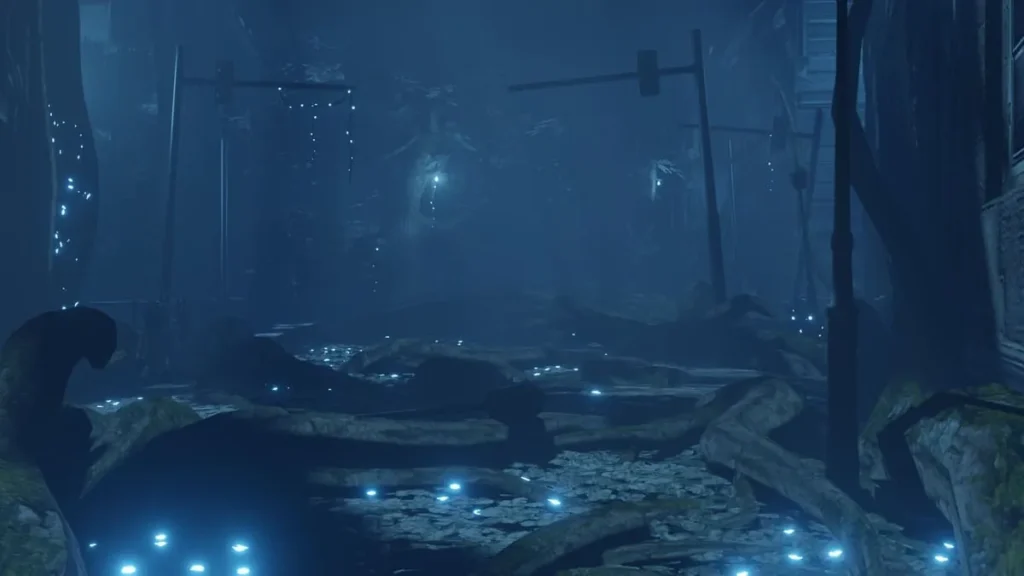
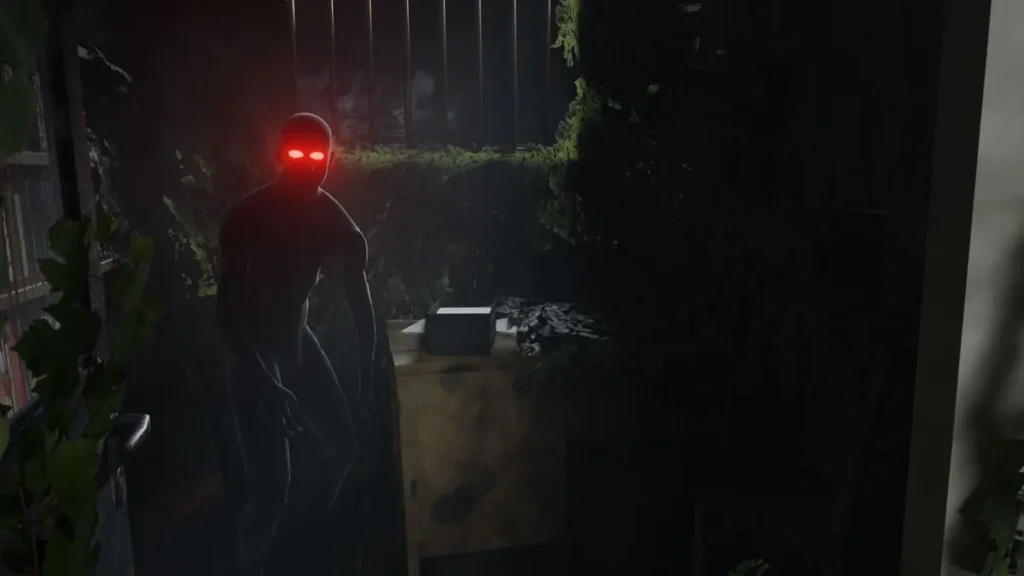

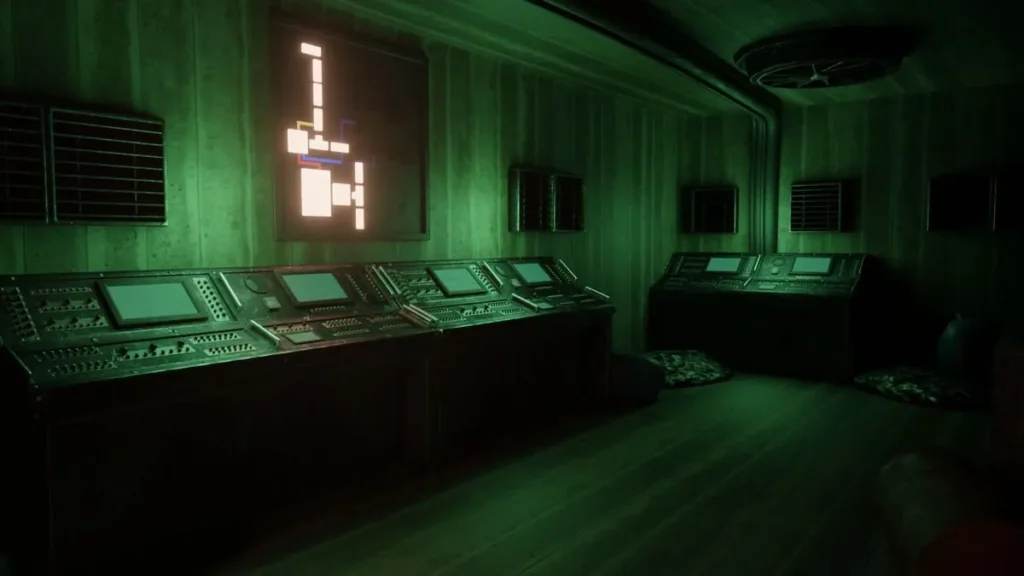




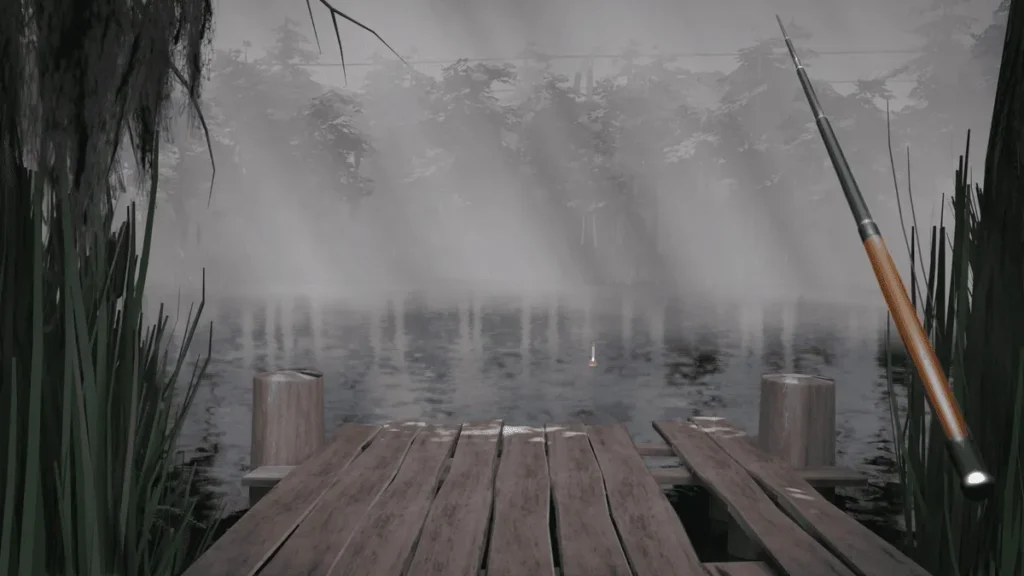


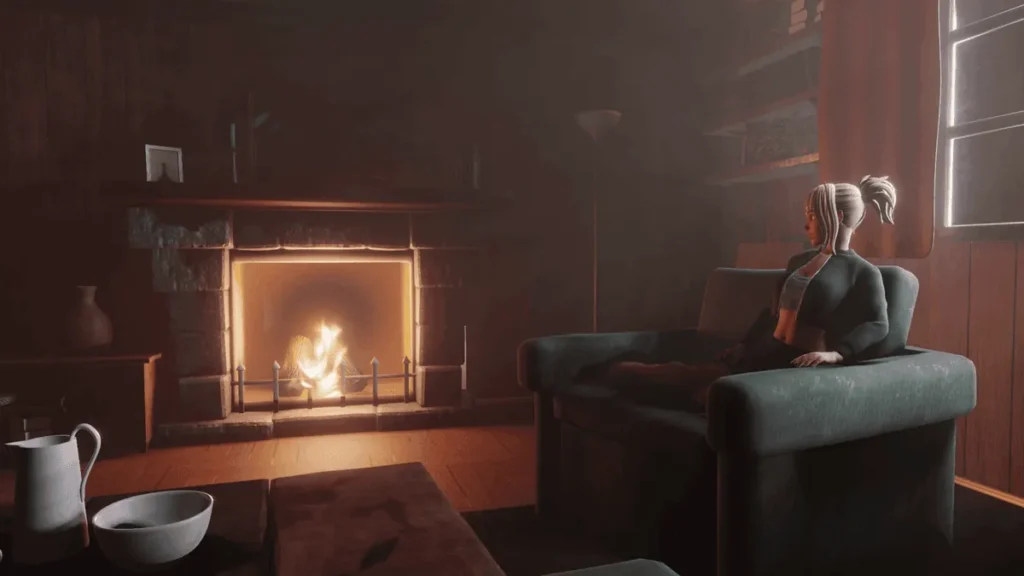
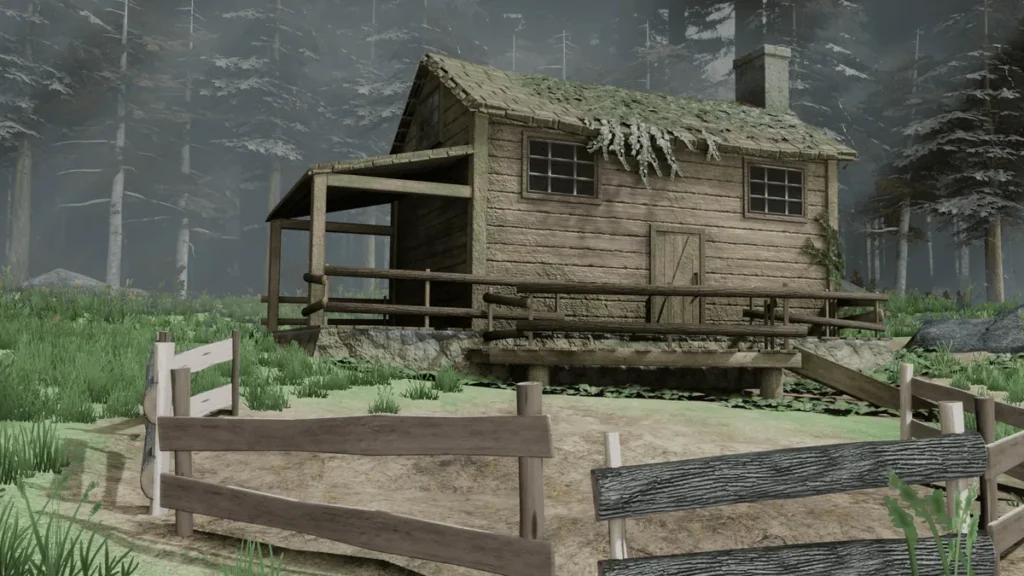
Mist review
A player-focused guide to exploration, mechanics, and strategies in Mist
Mist is an atmospheric, exploration-driven indie game that centers on a dynamic fog mechanic, environmental puzzles, and slow-burn storytelling that rewards curiosity and careful observation. In this article I walk you through the core systems, share hands-on play strategies I discovered while playing, and explain how to get the most from Mist’s world without spoilers. If you’re looking for practical tips, a clear breakdown of mechanics, and real-player anecdotes about navigating the mist, you’re in the right place.
Understanding Mist’s Core Design and Atmosphere
So, you’ve just loaded into Mist for the first time. The screen fades up, and you’re there—standing in a silent, forgotten courtyard. Stone arches loom overhead, and a thick, luminous fog blankets everything beyond a few feet. You take a step, and the world seems to breathe with you. There’s no quest marker, no minimap, no intrusive UI. Just you, the silence, and the swirling unknown. This is where the magic begins. This Mist game overview is your first clue: you are not just playing a game; you are learning a new language of discovery. 🕯️
My own first session was a masterclass in bewilderment. I wandered in circles for twenty minutes, convinced I was missing a key item or a hidden door. I pushed against every wall, stared at every statue. It was only when I stopped trying to “play the game” and started simply observing that I noticed it: a subtle, slow pulse within the fog itself, like a slow tide pulling towards a particular archway. That was my “aha!” moment—the game wasn’t hiding things from me; it was whispering where to look. This is the heart of Mist’s brilliance.
What makes Mist unique? 🧩
Forget everything you know about standard adventure games. Mist isn’t about leveling up stats or collecting an arsenal. Its progression is measured in knowledge and perception. The game is built on a few core pillars that create a uniquely contemplative experience:
- Exploration-First Pacing: The world doesn’t conform to you; you must conform to it. Progress is gated by your understanding of an area’s secrets, not by a key you haven’t found yet. You move at the world’s pace.
- Knowledge-Based Progression: Your most important inventory isn’t in a menu; it’s in your head. Understanding how the fog behaves in the Sunken Grotto versus the Crystal Peaks is a form of power. Remembering the symbol you saw three hours ago that now appears on a door is your key.
- Environmental Storytelling: Every crumbled wall, overgrown mechanism, and silent artifact has a tale. The narrative isn’t fed to you through cutscenes, but pieced together from the environment itself and the Mist echoes artifacts you uncover.
This design creates a powerful atmospheric exploration game where your curiosity is the primary driving force. It’s a game that rewards patience, observation, and a willingness to get lost.
How the fog (the mist) shapes exploration 🌫️
The titular mist isn’t just a pretty visual effect—it’s the central nervous system of the entire world. This dynamic fog mechanics system is what truly sets Mist apart. It’s a living, reactive entity that serves multiple, brilliant functions:
- A Dynamic Scenery Manager: The fog physically conceals and reveals paths. Sometimes, waiting for a shift or finding a way to manipulate it is the only way forward. A path that was impassable an hour ago might slowly clear as the in-game “day” cycles.
- A Puzzle Element & Clue System: This is the genius part. The fog’s density, color, and flow direction are clues. A shimmering, gold-tinged mist might lead you to a healing spring. A thick, slow-moving grey fog might indicate a dormant area, while a rapidly churning violet fog could signal a zone rich with echoes or hidden danger. Learning to “read” the fog is your most vital skill for how to play Mist effectively.
- An Area State Indicator: Different regions have unique fog “signatures.” The Whispering Woods has a green, dappled fog that moves in quick gusts, while the Ashen Quarry is filled with a heavy, particulate-laden mist that settles in deep pools. Recognizing these tells you what kind of puzzles and challenges to expect.
To break down how these systems interconnect, here’s a quick look at the core pillars:
| Core Mechanic | How It Manifests | Player Impact |
|---|---|---|
| Dynamic Fog Mechanics | Fog density, color, and flow change based on time, player location, and solved puzzles. | Directly gates exploration; must be observed and understood to progress. |
| Environmental Puzzles Mist | Rotating monument rings to align symbols, redirecting beams of light, using water reflections to reveal hidden text. | Non-verbal problem-solving; solutions are always embedded in the immediate environment. |
| Knowledge-Based Progression | Echoes (audio/visual memories) provide lore and hints. Artifacts require specific echoes to activate. | Your mental log of clues and symbols is your progression tree. Backtracking with new knowledge opens new paths. |
| Atmospheric Exploration | No combat, no traditional fail states. Pressure comes from mystery and the unknown. | Encourages a slow, thoughtful, and immersive playstyle focused on observation. |
Player perspective: my first hours in Mist 🌄
Let me paint you a picture of my initial plunge. I awoke in the “Seeker’s Respite,” a small, mossy ruin. The first environmental puzzles Mist presented were gentle: a pedestal with a missing crystal, a fountain with carved channels. The fog here was thin and blue. I found a crystal nearby, placed it, and a beam of light shot out, striking the fog on a far wall… which parted, just for a moment, revealing a symbol. I memorized it.
Heartened, I followed a path where the fog flowed like a river. It led me to the “Chamber of Luminescence.” Here, the puzzles deepened. I had to rotate large, stone lenses to catch beams of light and bounce them onto specific murals. Each solved beam caused the oppressive, light-absorbing fog in the chamber’s center to thin, revealing a central plinth. This is where I found my first true echo—a haunting, fragmented vision of a past keeper sealing something away. The game didn’t explain it; I just knew it was important.
The pivotal moment came later. I’d collected a few echoes and reached a sealed door covered in unreadable runes. Frustration was setting in. Then, I noticed the fog at my feet. It was seeping under the door from the other side, and it carried a very faint, shimmering particle effect—identical to the shimmer in the echo I’d just witnessed. I activated the echo artifact near the door. The runes glowed, the shimmer in the fog intensified, and the door slid open with a deep, resonant groan. The connection wasn’t just logical; it was physical. The fog was the conduit. That’s when I was hooked. I wasn’t just solving puzzles; I was communicating with the world through its own elemental language. ✨
Practical Takeaway: Your initial confusion is a feature, not a bug. Embrace being lost. The game is designed to meet you there.
How to play Mist: Your first steps to mastery 🗺️
Based on everything we’ve covered, here’s your actionable guide to starting strong in this atmospheric exploration game.
1. Adopt the Right Mindset:
* Slow Down: This isn’t a race. Walk, don’t run. The audio cues—dripping water, shifting stones, the whisper of the fog—are critical.
* Observe Everything: Look at the ground, the walls, the sky. How is the fog behaving? Are there patterns in the architecture? Mist rewards the vigilant.
* Take Notes (Mental or Physical): See a strange symbol? Remember it. Hear a peculiar melody from a wind chime? Note the location. This is your knowledge-based progression in action.
2. Prioritize These “Tools” Early:
* Your Eyes: Learn the fog’s visual language. What does calm vs. agitated fog mean here?
* Your Ears: Sound often carries through fog, leading you to secrets or warning you of unstable terrain.
* The Echo Collector: This is your only “item.” Pay close attention to the echoes you find. Their visual and audio themes are direct clues for activating specific Mist echoes artifacts throughout the world.
3. Your Recommended First Goal:
Don’t aim for some distant spire. Set this simple goal: Fully explore the “Seeker’s Respite” and the “Chamber of Luminescence” until you have activated your first major artifact.
* This will teach you the core loop: explore, observe, solve an environmental puzzle, collect an echo, and use that knowledge to activate something new.
* It solidifies the relationship between the dynamic fog mechanics, the puzzles, and the echoes.
In Mist, success isn’t about reaction time or a perfect build. It’s about perception, patience, and piecing together a world that speaks in whispers and shifting light. Your journey is a conversation with the unknown. Now, step forward, and listen closely. The fog has secrets to share. 🌌
Mist is a thoughtful exploration game that rewards patience, observation, and careful note-taking. By understanding how the mist functions as a gameplay element, using practical navigation and puzzle-solving strategies, and leveraging community resources safely, you’ll uncover more of the game’s layered world while preserving the sense of discovery that makes Mist special. Try a slow, journal-centered approach on your first run, tweak comfort settings to suit your needs, and consider sharing your findings with the community—your notes may help other players find their own moments of discovery.