One Day at a Time
Play One Day at a Time
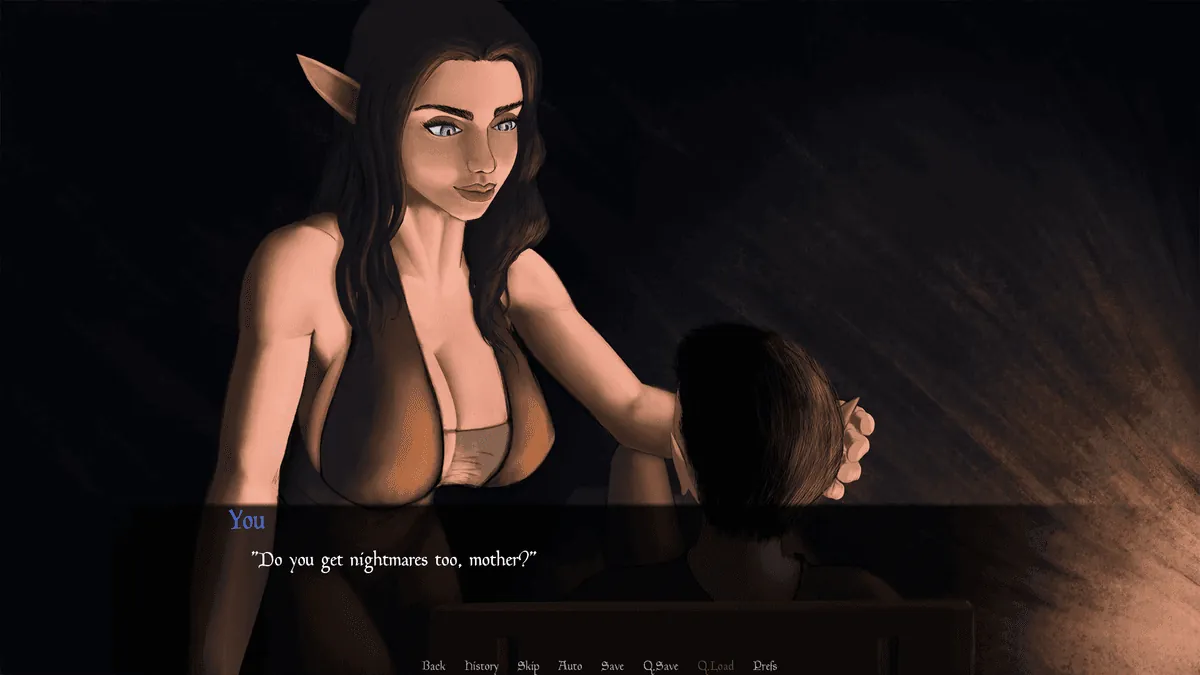
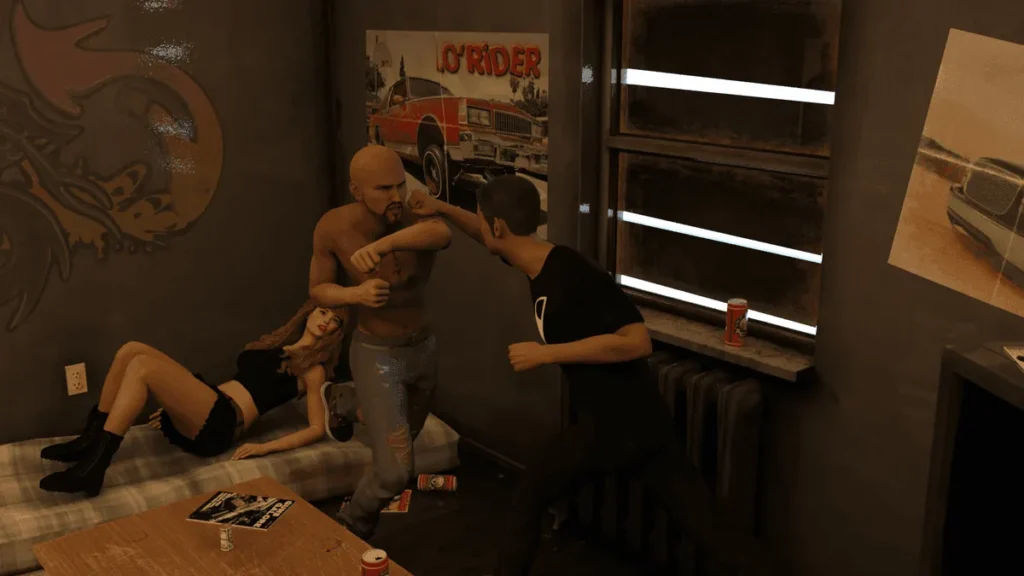
One Day at a Time Screenshots

























One Day at a Time review
An in-depth, player-focused breakdown of the One Day at a Time game experience
One Day at a Time is an adult-themed interactive game that blends narrative choices with character-driven scenes, and this guide dives straight into what players want to know: how the game plays, who the characters are, content considerations, and practical tips for getting the most out of the experience. In this article you’ll find clear, experience-based advice, examples from playthroughs, and step-by-step approaches to reach specific scenes and endings. Whether you’re evaluating the game or aiming to complete its routes, this guide keeps things focused, honest, and useful.
Gameplay Overview and Core Mechanics
Let’s be honest, the first time I booted up One Day at a Time, I was a little overwhelmed. 😅 The screen was filled with icons, a calendar, and character portraits all vying for my attention. But after fumbling through my first few in-game days, I realized its beauty lies in its structured simplicity. At its heart, the gameplay mechanics are built around a familiar but compelling daily cycle. Your primary interface is the game’s calendar. Each morning, you choose how to spend your energy points on activities like work, hobbies, or visiting locations around town. These choices are your first layer of influence, determining which characters you’ll encounter and what general opportunities arise.
The real magic, however, happens in the dialogue sequences. When you interact with a character, you’re presented with a branching conversation tree. This isn’t just flavor text—every option nudges your relationship in a subtle or dramatic way. Think of your day as having two major phases: the action phase (where you go and what you do) and the reaction phase (what you say). Mastering the rhythm between these phases is the key to unlocking everything the game has to offer. It feels less like a rigid mission list and more like gently steering the flow of your character’s social life, which is incredibly immersive.
How the game is structured
The structure of One Day at a Time is deceptively straightforward. You live through days, one at a time (fitting, I know!). Each day gives you a set number of action points. You spend these points on the world map, selecting locations like the “Downtown Cafe,” “City Park,” or “Gym.” 🏞️ Going to a location doesn’t just advance time; it’s a potential trigger for events. You might find a main character there, stumble upon a unique side scene, or gather resources for a side quest.
After your actions are spent, the game often moves to key narrative moments—planned meetups, story events, or evening interactions. These are where the plot thickens. The game smartly uses a chapter system, often grouped by weeks, where your accumulated choices are tallied and the narrative direction is adjusted. My first playthrough, I blasted through days just trying to see everyone, and I missed so much! I learned that the structure rewards patience and focus. Trying to be everywhere for everyone simply dilutes your impact. It’s better to pick one or two story threads to follow closely per “chapter” or week.
Choice and consequence: unlocking scenes
This is the core engine of the experience, and understanding it will save you so much headache. The choice consequences in One Day at a Time are both immediate and long-term. Immediately, a dialogue choice might fill a small segment of an affection meter for a character. But the long-term consequence is what’s fascinating: certain choices act as hidden flags. 🤫
Scene unlocking is directly tied to these flags. You won’t get a notification saying “Choice X will unlock Scene Y in 5 days.” Instead, the game remembers. For example, early on, I had a chance to comfort a character about a lost pet. I chose a more humorous, dismissive response because I thought it fit my player character’s vibe. Big mistake. That single choice locked me out of a deeply emotional, bonding scene with that character almost a full week later. I only discovered it on a second playthrough when I made the compassionate choice. The game doesn’t have a “right” answer, but it fiercely respects your decisions by weaving them into the narrative fabric.
To optimize your runs for scene unlocking, here’s my hard-earned advice:
Prioritize one character per playthrough. Their affection meter is your best guide, but also pay close attention to their personal story quests in your log.
Don’t be afraid to backtrack with a save. If a conversation feels pivotal, save before it! Experiment. See where different branches lead.
Some scenes require composite triggers. It’s not just high affection; you might need to have completed a specific side activity and chosen a particular dialogue branch three days prior. This makes exploration rewarding.
Progression systems and saves
Let’s talk about the glue that holds your journey together: progression and save strategy. Your visible progress is tracked through a few key systems. The most prominent is the affection meter for each main character, usually represented by hearts or a bar in the profile menu. 🎯 Watching this fill up is satisfying, but remember—it’s a indicator, not the sole goal. Some major choice consequences affect the story without moving the needle dramatically on this meter.
Then there’s the progression grind. Yes, it exists. To unlock certain late-game scenes or achieve specific endings, you often need to reach a high level in a skill (like Writing or Music) or collect a number of rare items. This can involve repeating activities over multiple in-game days. My tip? Integrate the grind into your role-play. If you’re pursuing a character who loves art, spending your action points at the gallery or studio feels natural and doubles as progress toward both skill checks and their affection.
Now, for the most critical tool in your arsenal: save strategy. One Day at a Time uses a checkpoint system, often saving at the start of a new day. This is not enough. I cannot stress this enough: use manual saves, and use multiple slots. 🔄
Here is my personal save protocol:
1. Slot 1 (Rolling): My primary “continue” save, updated at the start of each new in-game week.
2. Slot 2 (Branch Point): Saved before any major decision or event that feels significant.
3. Slot 3 (Backtrack): Saved at the beginning of each new chapter or week, in case I realize I’ve made a foundational choice I want to redo.
4. Slot 4 & 5 (Experimental): Used to test dialogue outcomes for a specific scene without corrupting my main run.
This method completely eliminated my frustration with irreversible choice consequences and made exploring different paths a joy, not a chore.
Finally, a note on platform performance. The game is available on PC (via Steam and itch.io), Nintendo Switch, and PlayStation/Xbox consoles. My experience has been primarily on PC and Switch. The PC version is naturally the smoothest, with quick load times and no hiccups. The Switch version is perfectly serviceable for handheld play, though you may notice slightly longer load times when transitioning between major locations. The text is clear and readable in handheld mode, which is crucial for a dialogue-heavy game. Regardless of your chosen platform, the gameplay mechanics remain consistent and engaging.
To wrap it all up, here’s a handy reference table for the core gameplay mechanics we’ve discussed.
| Core Mechanic | What It Does | One Practical Tip |
|---|---|---|
| Daily Action Points | Determines how many activities (visits, jobs, hobbies) you can do in one day. | Plan your week around a goal. Spending points randomly is the fastest way to miss key events. |
| Dialogue Choice Tree | Drives narrative branches and impacts character relationships directly. | When in doubt, choose the option that aligns with a consistent personality for your character; the game rewards role-playing coherence. |
| Affection Meter | Visual tracker of your relationship level with each major character. | Check it in the pause menu after major conversations to gauge your impact, but don’t slave to maxing it out instantly. |
| Hidden Event Flags | Invisible triggers set by choices that unlock specific scenes later. | If you’re aiming for a specific scene, look up a spoiler-free guide for that character’s path to understand key decision points. |
| Manual Save Slots | Allows you to save your progress at any moment outside of auto-checkpoints. | Before starting any new in-game day, create a new manual save. It gives you a clean restart point for that day’s events. |
| Skill Progression | Improving skills like Cooking or Fitness through repeated actions. | Pair your skill grind with a character’s interests. Invite them to join the activity to boost both skill and affection simultaneously. |
Mastering these interconnected systems is what turns a simple playthrough into a rich, personalized story. Remember, there’s no “perfect” run in One Day at a Time, only your run. So save often, choose bravely, and don’t be afraid to live those digital days exactly how you want. 🎮✨
One Day at a Time is a narrative-driven adult game that rewards patient players who learn its choice systems, route triggers, and pacing. The best approach is to treat each playthrough as an experiment: use saves strategically, follow targeted routes to unlock scenes, and rely on community resources when you hit a snag. Play responsibly by using content controls and respecting community norms, and return to the game with fresh goals—whether that’s completing every route, finding hidden scenes, or optimizing a faster run. If this guide helped, try the recommended checklist in your next session and share any discoveries with the player community.