
One Night Stand
Play One Night Stand
One Night Stand Screenshots


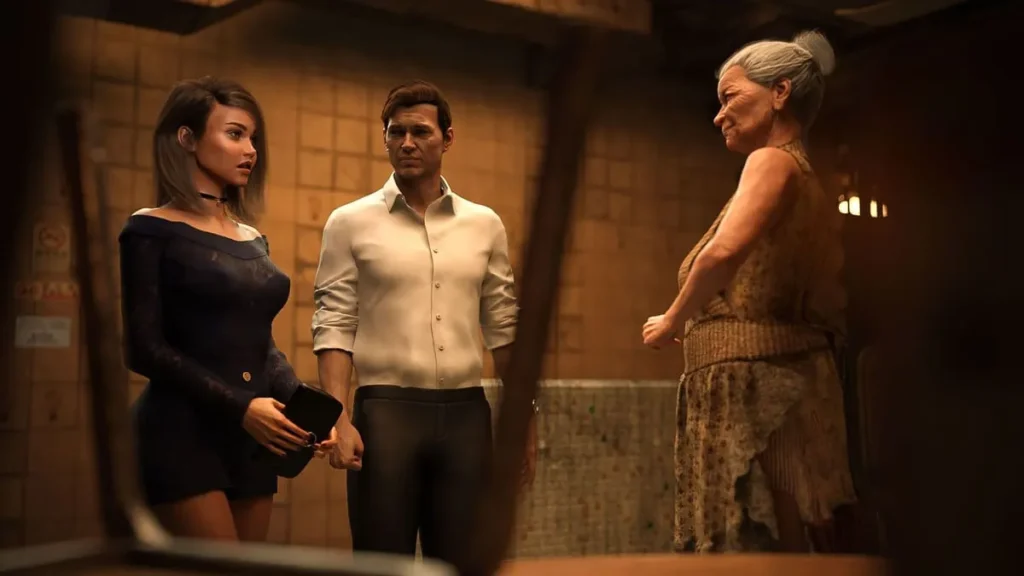



One Night Stand review
Explore the indie narrative experience that redefines interactive storytelling
One Night Stand is an indie narrative game that has garnered attention for its intelligent storytelling and unconventional approach to interactive fiction. Unlike traditional games focused on action or competition, this title prioritizes character development and meaningful dialogue choices. Players navigate a single evening filled with decisions that shape the narrative outcome. The game challenges conventional gaming expectations by emphasizing story and character interaction over complex mechanics. For those interested in narrative-driven experiences and indie gaming innovations, understanding what makes One Night Stand distinctive offers valuable insights into modern game design.
Understanding One Night Stand: Game Overview & Core Mechanics
Ever woken up in a strange room with a pounding headache and zero memory of the night before? 🥴 We’ve all been there (well, maybe not exactly there). But that’s the exact, brilliantly uncomfortable premise that One Night Stand grabs you by the collar with and refuses to let go. This isn’t a game about epic quests or high scores; it’s a quiet, profound, and often awkwardly funny simulation of a very specific human moment.
At its heart, One Night Stand is a masterclass in interactive fiction game design. You play as someone who has just woken up next to a complete stranger. Your goal? Figure out what happened, who you are, and who this person sleeping next to you is—all before you get dressed and leave. It sounds simple, but within that constrained space, developer Kinmoku crafts one of the most authentic and compelling indie narrative game experiences you’ll ever have.
What makes it matter, and why we’re still talking about it years later, is its radical commitment to narrative game design that prioritizes emotional resonance over mechanical complexity. In an industry often obsessed with bigger worlds and more buttons to press, this game proves that the most compelling drama can be found in the quiet click of a mouse, choosing what to say next to a person you might never see again.
### What Is One Night Stand and Why It Matters
Let’s cut to the chase: One Night Stand is a point-and-click interactive fiction game where your only tools are observation and conversation. You click around the bedroom, examining items that slowly piece together the puzzle of the previous evening—a spilled drink, a discarded movie ticket, a strangely familiar book. But the true core of the experience is the conversation with the other person in the room.
This isn’t just another dialogue choice game; it’s a pressure cooker of social anxiety and curiosity. Every line you choose shapes the tone of the morning. Are you apologetic? Defensive? Flirty? Charming? Awkwardly silent? The game’s genius is in how it validates every one of those emotional responses. There’s no “right” way to play, only your way, and the narrative bends authentically to match.
So why does this small game matter so much in the vast indie narrative game landscape? 🤔 It’s because it represents a pure, undiluted vision of what games can be as a storytelling medium. It challenges the convention that games need “action” to be engaging. Here, the action is the dialogue. The tension is in the silences. The payoff isn’t a boss defeat, but a moment of genuine human connection, a shared laugh, or a clean (or messy) exit.
Critics and players lauded it for this bravery. It won awards and became a standout example of how narrative game design can create powerful empathy. You’re not just watching a character navigate an awkward situation; you are that character, making each fumbled word and hesitant glance feel deeply personal. For anyone who believes games can be about more than escapism—that they can be about reflection—this story-driven indie game is essential playing.
### Gameplay Structure and Decision-Making Systems
Forget health bars and skill trees. The One Night Stand gameplay loop is elegantly simple, yet rich with possibility. The entire experience takes place in one room, over a real-time span of maybe 30-40 minutes (in-game). Your interface is your cursor. You look, you think, you click.
The decision-making system is the star of the show. Throughout the morning, you’ll engage in several conversation threads with your one-night stand. The dialogue trees aren’t about unlocking new quests, but about steering the emotional undercurrent of the interaction.
Pro Tip: There’s no “good” or “bad” ending, only different shades of human experience. Your first playthrough should be completely instinctive—say what you would say.
Here are the key gameplay features and mechanics that define this unique experience:
- Environmental Storytelling: Every object in the room is a clue. Examining a phone, a poster, or a piece of clothing doesn’t just give you an item; it gives you context about who these people are, adding layers to the conversation.
- Tone-Driven Dialogue Choices: Your responses are often less about what is said and more about how it’s said. Choices range from sincere and kind to sarcastic and detached, directly impacting the other character’s mood and openness.
- The Replay Catalyst: The game is designed to be played multiple times. Lasting only about 10-15 minutes per playthrough, it encourages you to try different personality approaches to uncover entirely new layers of story and character detail.
- Minimalist Interaction: The act of getting dressed, finding your belongings, and preparing to leave is part of the narrative pacing. These small, mundane actions ground the experience in a relatable reality.
The magic of the One Night Stand gameplay is in how these systems are invisible. You’re not thinking, “I’ll pick the +1 kindness option.” You’re thinking, “Oh god, do I apologize or make a joke to break the tension?” This seamless blend of character interaction mechanics and storytelling is what makes it so special.
To illustrate how your choices branch the narrative, consider this basic flow:
| Your Observed Action | Potential Dialogue Choice | Narrative & Character Impact |
|---|---|---|
| You find her sketchbook on the floor. | “You’re an artist? These are amazing.” | Unlocks a warm, passionate side of her. She may open up about her dreams, leading to a deeper, more connected ending. |
| You find her sketchbook on the floor. | “Huh. Didn’t peg you for the artsy type.” | She becomes defensive or sarcastic. The conversation turns colder, potentially cutting off entire threads about her personal life and leading to a quicker, more awkward farewell. |
| You ignore the sketchbook entirely. | (No comment is made on it) | A whole dimension of her character remains hidden. The conversation may stay on superficial topics, making the encounter feel more fleeting and anonymous. |
### Narrative Design and Character Development
This is where One Night Stand truly shines as a story-driven indie game. The narrative isn’t something that happens to you; it’s something you actively co-write through every micro-decision. The narrative game design philosophy here is one of intimacy and consequence.
Character development is achieved almost exclusively through dialogue. You, the protagonist, are a blank slate defined only by your choices. Are you a decent person having a weird morning? Or are you a bit of a jerk? The game doesn’t judge, but the other character, whom we only know as “Helen” (or “Charlie” in a later DSO update), reacts in beautifully nuanced ways. Her personality is revealed in reaction to yours. Be kind, and you’ll see her warmth and humor. Be aloof, and she’ll match your energy with polite distance.
This reactive character interaction mechanics system means that “Helen” feels less like a programmed NPC and more like a real person. She has her own anxieties, her own sense of humor, and her own regrets about the night. You discover these not through cutscenes, but through the natural (or strained) flow of conversation that you direct.
Let me give you a specific example from my own playthrough that stuck with me: On my first try, I was panicky and rude. I snapped at a question about the movie we’d seen, saying I hated it. Helen immediately shut down. “Right. Well, it was my favorite,” she said flatly, turning away. The rest of the morning was icy and silent. I left feeling like a total heel. On my next play, I chose the option: “It was… different. Not what I expected.” She lit up! “I know! The twist in the second act was insane!” she replied. This unlocked a five-minute chat about film, revealing her passion and intelligence, and our goodbye was filled with genuine smiles and a potential plan to chat later. Two wildly different relationships, born from one tiny dialogue choice game moment.
The minimalist aesthetic—clean visuals, a subdued color palette, and a subtle, poignant soundtrack—serves this narrative perfectly. Nothing is flashy because nothing needs to be. All the focus is on the faces, the text, and the weight of the unspoken things in the room. This purity of focus is a hallmark of sophisticated narrative game design.
In terms of practical specs, the game respects your time while offering depth:
| Aspect | Detail |
|---|---|
| Average Playthrough Length | 10 – 15 minutes |
| Key Replayability Factor | 12+ unique endings, hidden narrative threads, and vastly different character reactions based on tone. |
| Core Revelation Method | Each playthrough reveals new object interactions and dialogue branches, piecing together a fuller picture of both characters. |
Ultimately, One Night Stand is an invitation to be human—to be awkward, kind, curious, or reserved within a safe, digital space. It proves that a powerful indie narrative game doesn’t need a hundred hours of content; it needs a compelling premise, believable character interaction mechanics, and the courage to let the player’s choices write the story. It’s a short experience that lingers in your mind for a long time, a testament to the power of interactive storytelling when it’s stripped down to its most essential, emotional core. 🎭 If you’ve ever wanted a game to make you feel more than make you win, this is your next must-play.
One Night Stand represents a significant entry in the indie gaming landscape, demonstrating that compelling games don’t require complex mechanics or extensive gameplay systems. By focusing on meaningful dialogue, character development, and narrative consequences, the game offers players a refreshing alternative to mainstream gaming experiences. The title’s emphasis on storytelling and player choice creates an intimate gaming experience that resonates with audiences seeking deeper narrative engagement. Whether you’re a seasoned gamer exploring indie titles or someone new to interactive fiction, One Night Stand provides valuable insights into how games can prioritize emotional connection and meaningful decision-making. For those interested in narrative-driven experiences, this game exemplifies the potential of indie developers to innovate within the gaming medium.