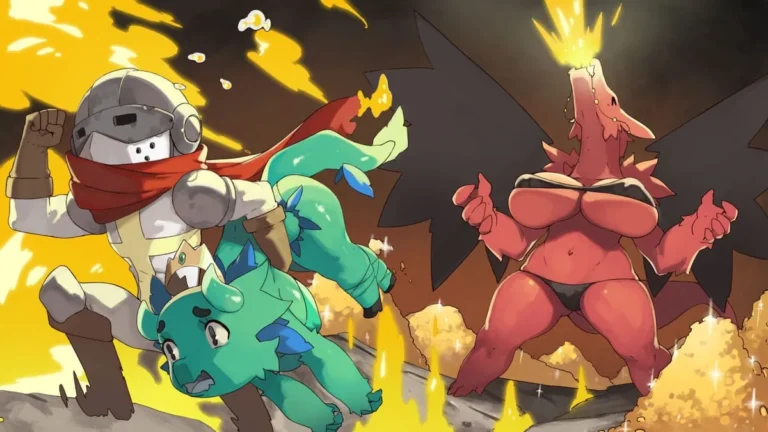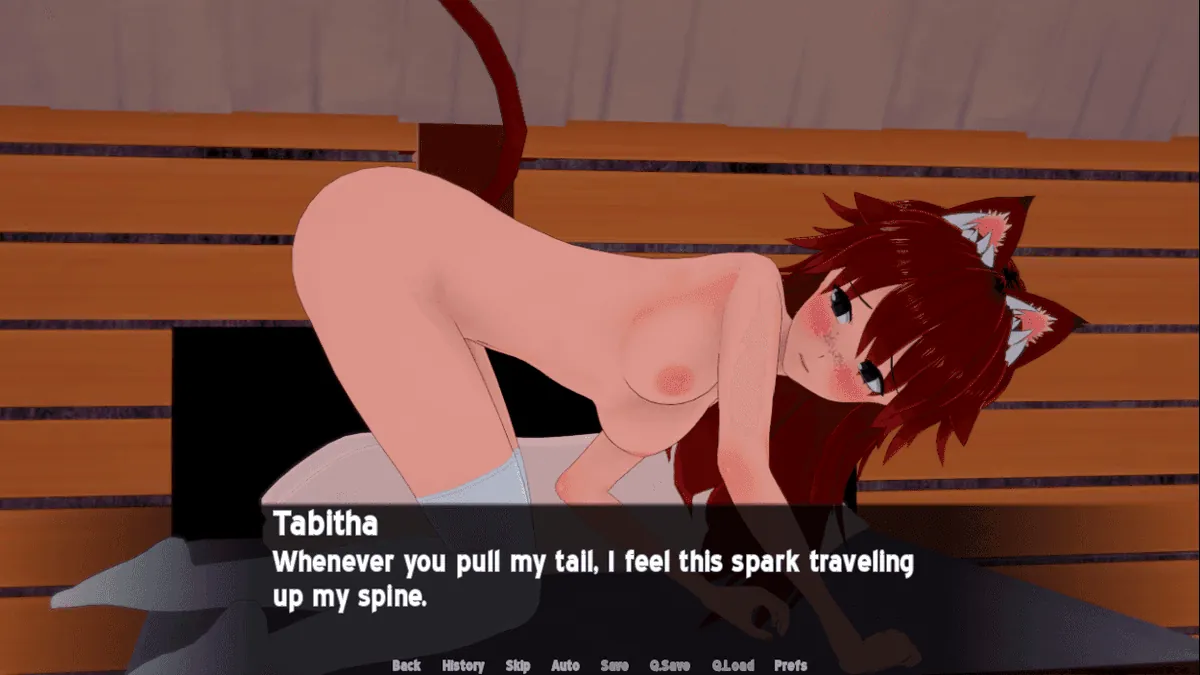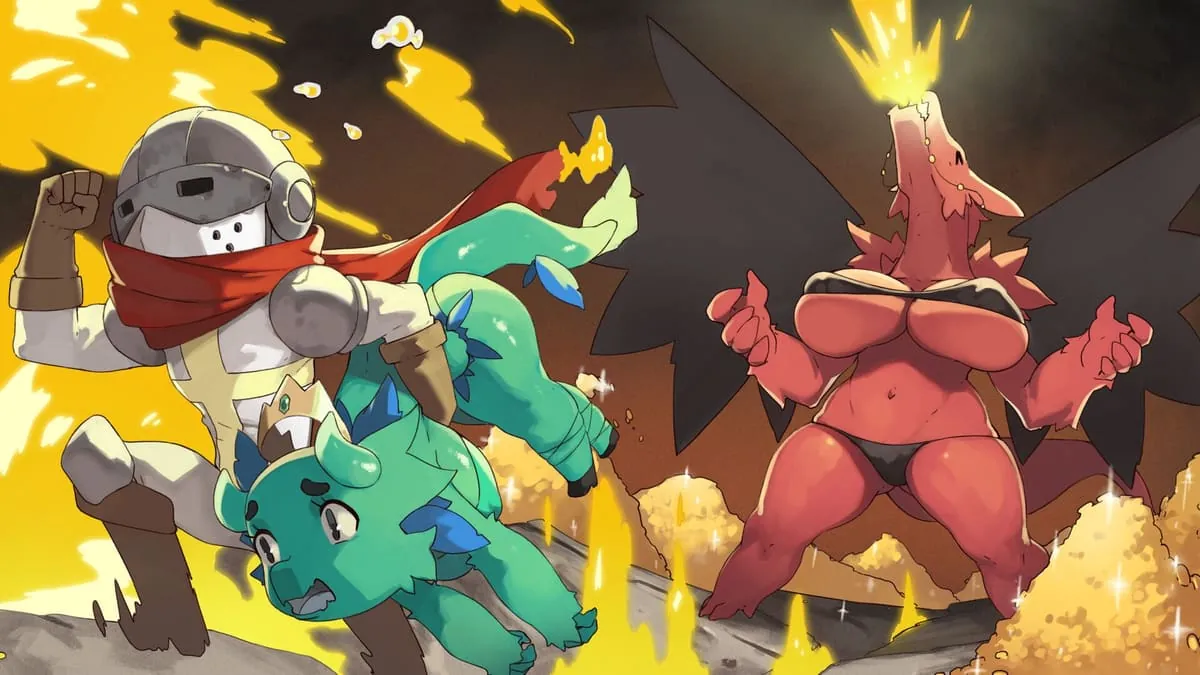
Princess & Conquest Screenshots
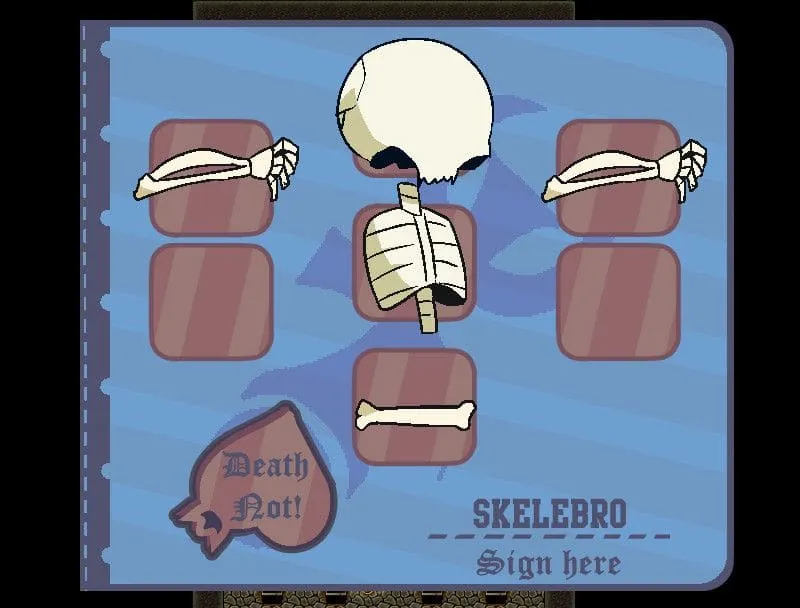
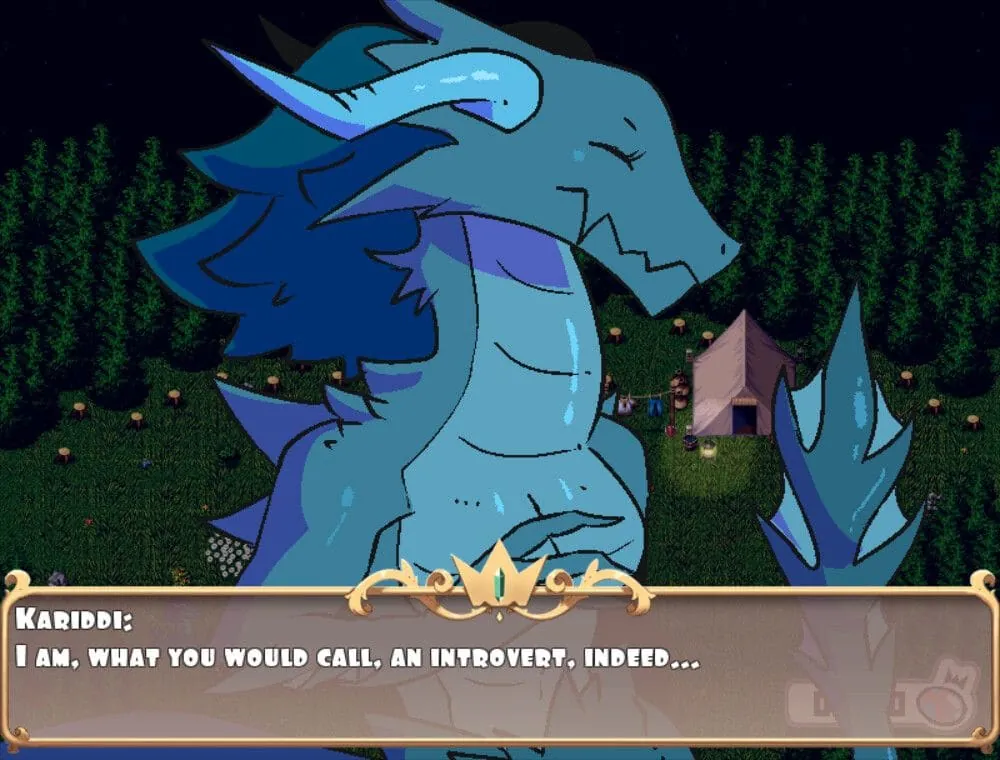
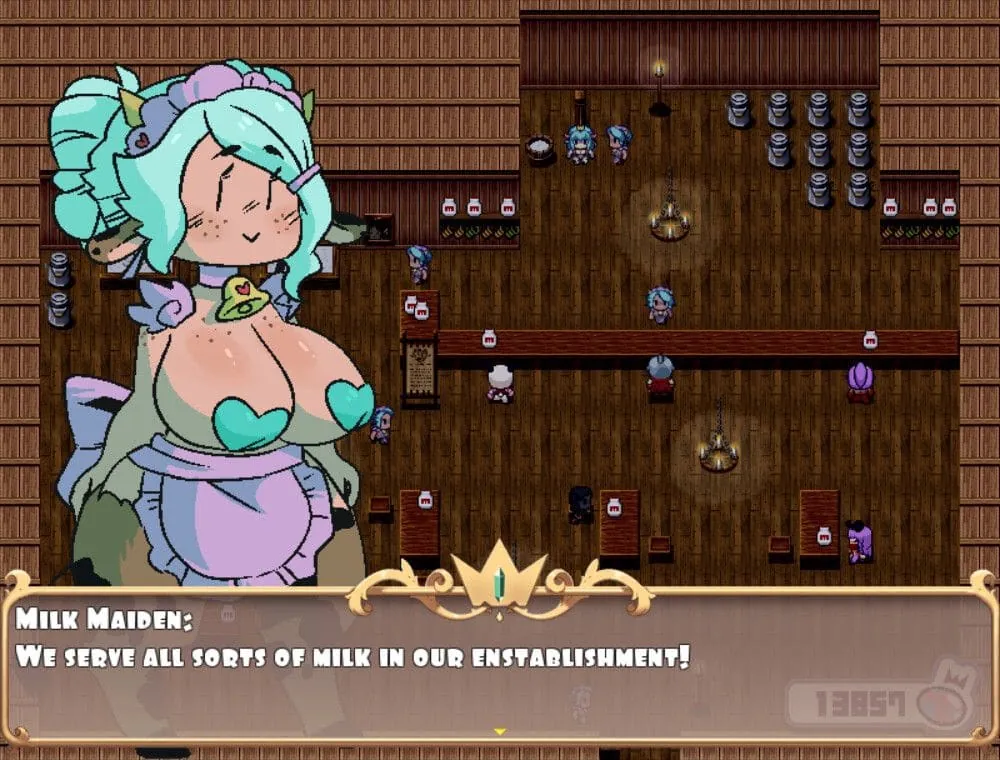
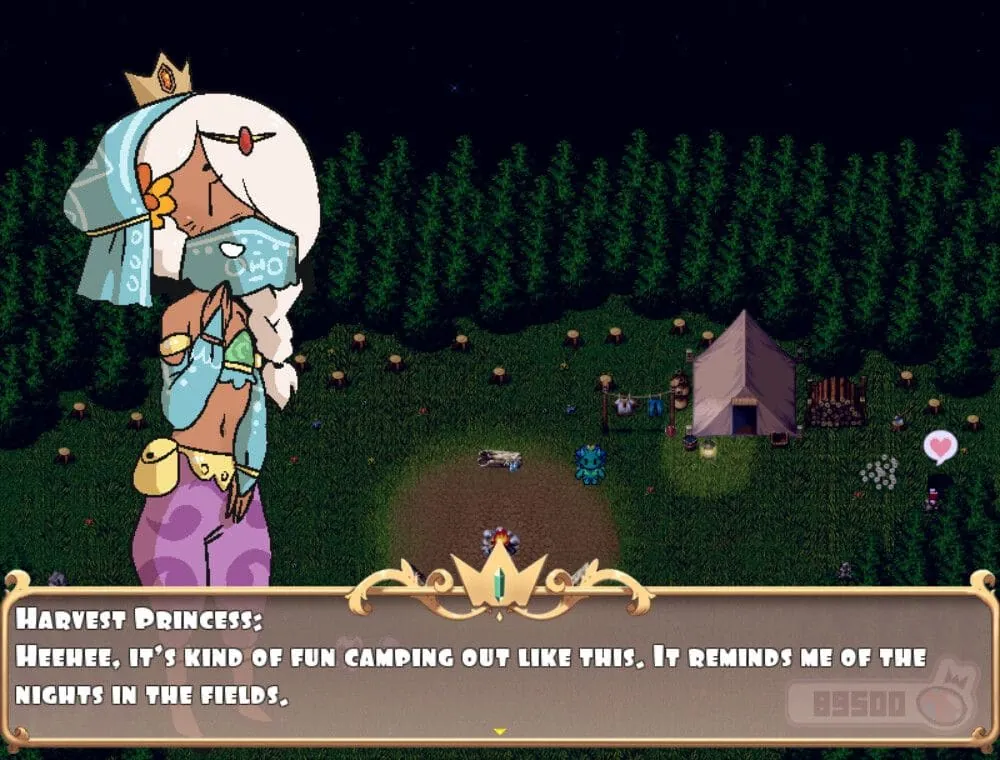
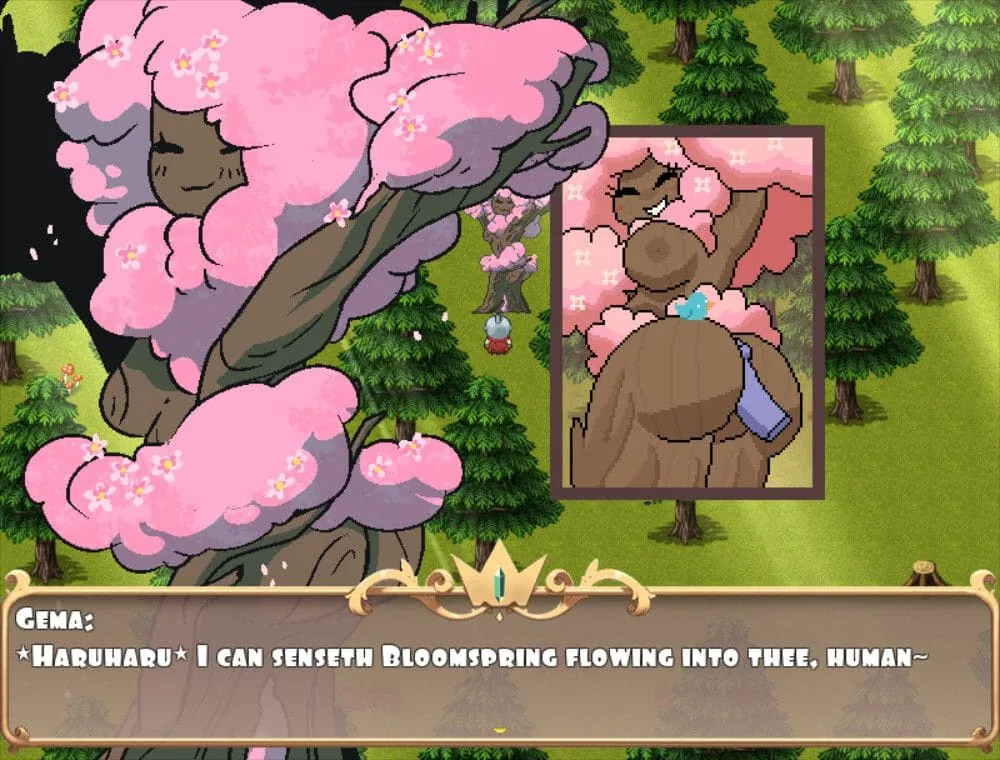
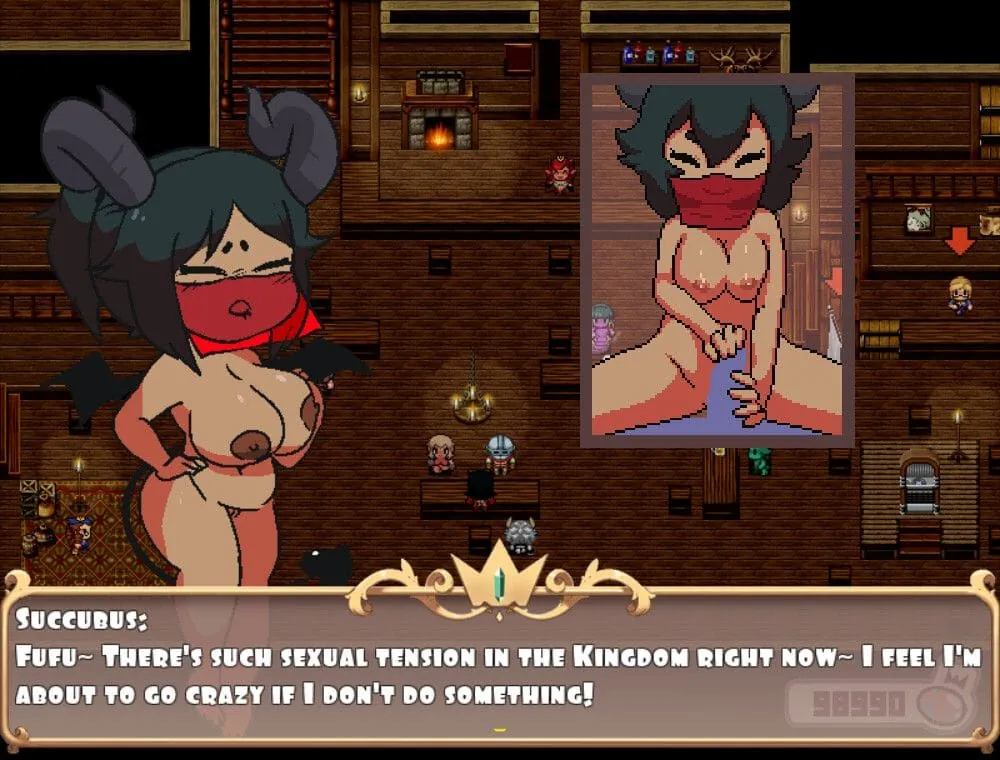
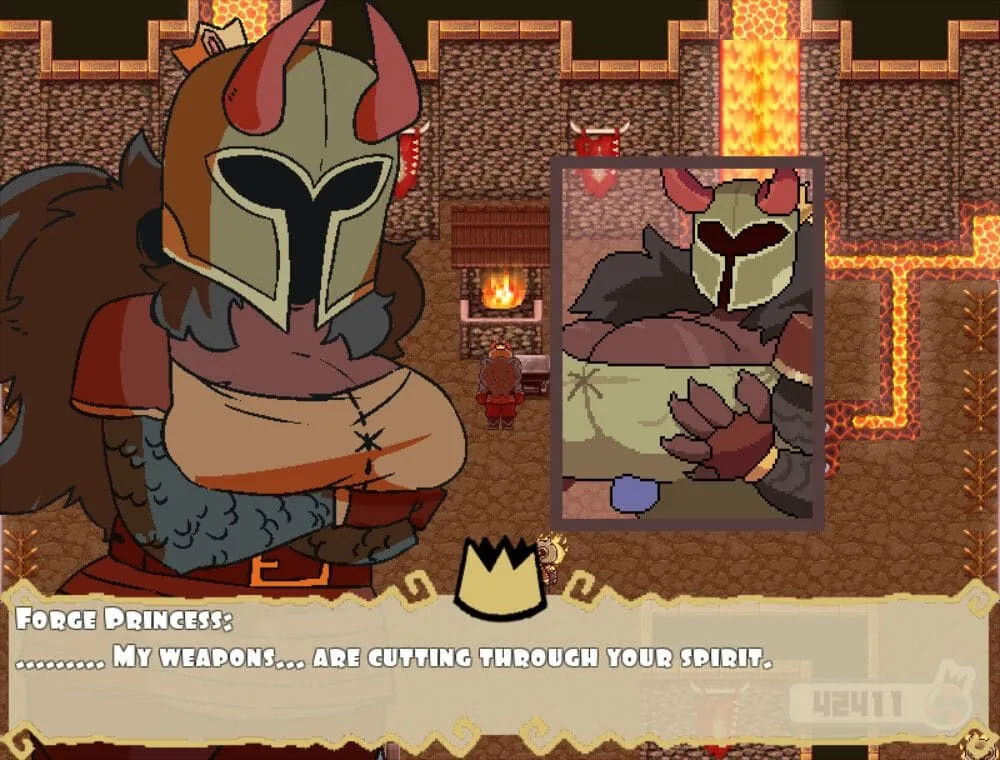

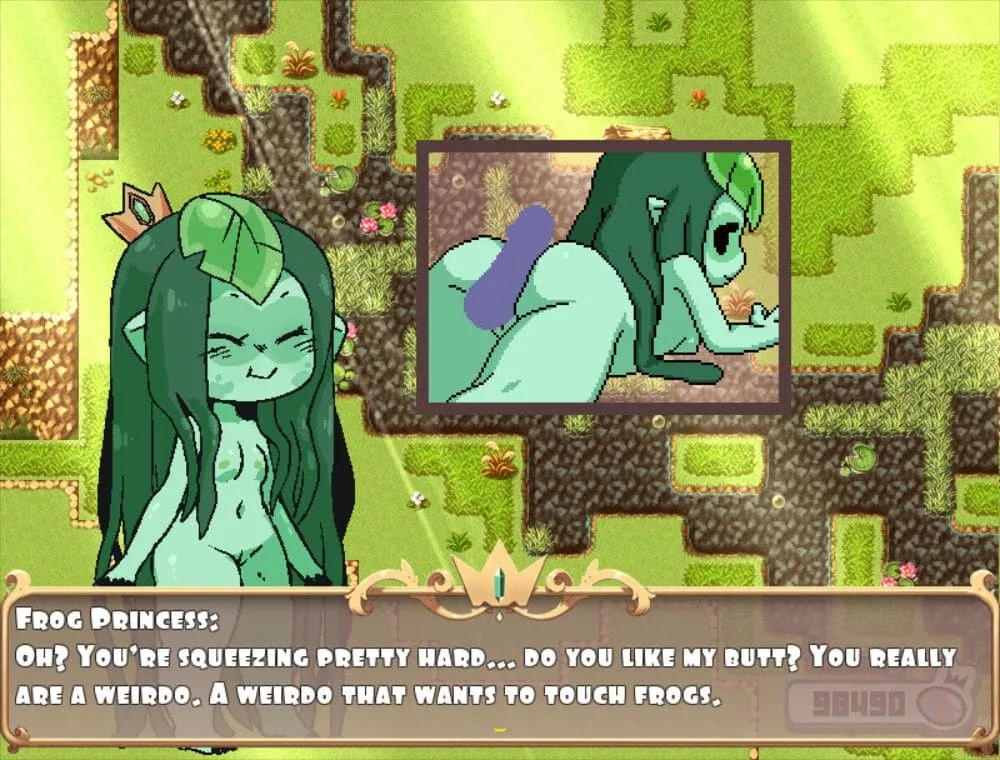
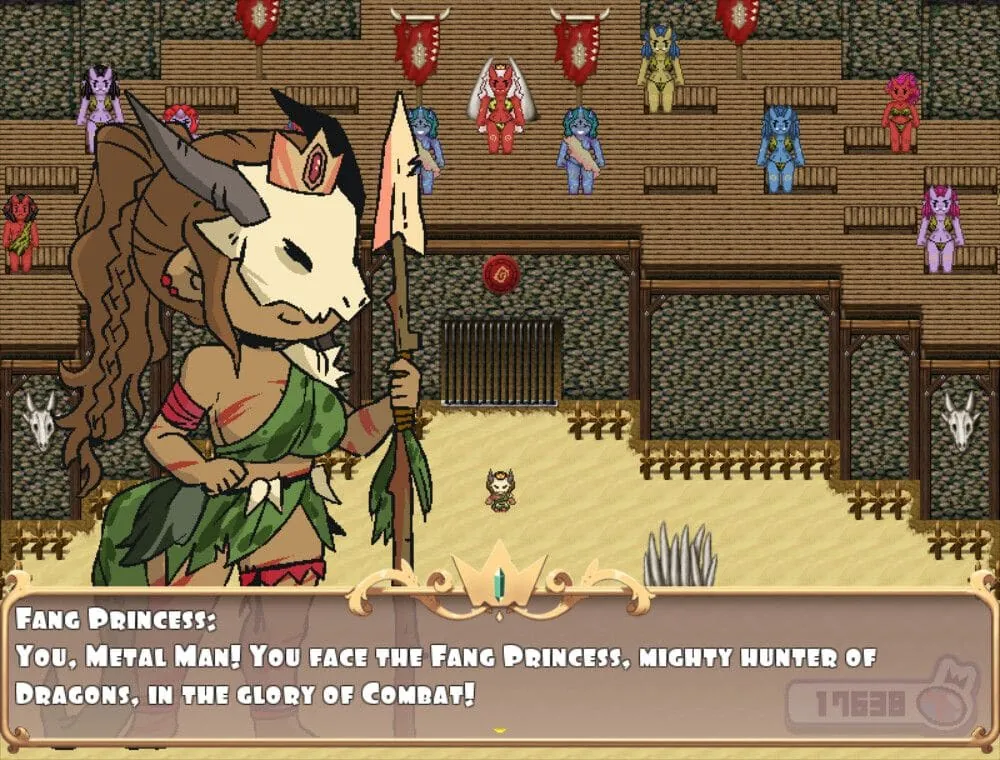
Princess & Conquest review
Explore mechanics, narrative depth, and character relationships in this unique fantasy strategy game
Princess & Conquest stands out as a distinctive hybrid strategy RPG that blends classic fantasy gameplay with mature narrative themes. Developed with RPG Maker VX Ace, this game offers players unprecedented agency in shaping their kingdom’s destiny while managing complex character relationships and political landscapes. Whether you’re drawn to strategic combat, branching storylines, or deep character progression, understanding the game’s core mechanics and design philosophy is essential. This guide explores what makes Princess & Conquest a compelling choice for strategy RPG enthusiasts seeking narrative-driven experiences with meaningful player choice.
Core Gameplay Mechanics and Strategic Systems
Ever feel like you’re not just playing a game, but conducting a grand, chaotic symphony where every note you play changes the entire melody? That’s the thrilling, sometimes terrifying, heart of Princess & Conquest gameplay mechanics. This isn’t a game that holds your hand; it throws you into a rich, living fantasy world and says, “Figure it out, Your Majesty.” 🫅 The beauty lies in how its deep, interwoven systems—from its strategy RPG player choice system to its intricate political simulation game mechanics—create a uniquely personal story every single time you play.
I remember starting my first campaign, brimming with confidence. I was going to be a wise, just ruler. Then, a minor diplomatic snub I’d forgotten about led to a neighboring kingdom sacking my outpost, which ruined my trade routes, which made my best knight leave my service due to lack of funds. My “perfect” kingdom was in shambles before I even met my third princess. It was a brutal and brilliant lesson: in this kingdom management strategy game, every choice, no matter how small, has weight. Let’s pull back the curtain on what makes this experience so compelling.
How Player Choice Shapes Your Kingdom’s Destiny
At its core, Princess & Conquest is a masterclass in cause and effect. The branching narrative RPG elements aren’t confined to a separate “story mode”—they are the gameplay. Your decisions on the strategic map directly forge the narrative, creating a tapestry of consequences that is different for every player.
The strategy RPG player choice system operates on multiple levels. Are you spending gold to bolster a village’s defenses, or skimming taxes for your personal vault? Do you intervene in a border dispute, or let two rival factions weaken each other? Each action adjusts your standing with numerous characters, factions, and even entire species. This isn’t about picking “good” or “evil” dialogue options; it’s about living with the strategic outcomes of your managerial and diplomatic decisions. Your reputation precedes you, opening some doors while slamming others shut permanently.
Pro Tip: The game rarely signposts “THIS IS A MAJOR DECISION.” Treat every interaction, from helping a lost traveler to assigning a patrol route, as a thread you’re pulling in the larger tapestry. You might not see the full pattern until much later.
Let me give you a real example from one of my playthroughs that shows this cascade effect in action. Early on, I explored a swamp and stumbled upon a tribe of frog people being harassed by undead. I had two immediate options: help them fight off the skeletons (costing me time and resources), or ignore them and continue mapping the area.
- The Choice I Made: I decided to help. The combat was tough, but we prevailed.
- The Immediate Consequence: The frog chieftain was grateful, offering a modest tribute of gold and, more importantly, allowing my characters to court the frog princesses. This opened up a whole new avenue for political marriage and unique unit recruitment.
- The Ripple Effect (Several In-Game Years Later): When a major undead invasion event triggered, that same frog tribe—now a strong ally due to our continued good relations—sent a full battalion to aid in the defense of my capital. Their unique swamp fighters held a chokepoint I would have otherwise lost.
- The Hidden Branch: I later learned that if I had ignored them, the undead would have wiped the tribe out. The swamp would have become a permanent high-level undead zone, and a specific story branch about uniting the wetland clans would have been locked forever.
This single, seemingly minor combat decision altered my political simulation game mechanics, my military strength, my character progression RPG options (frog lineage perks!), and the overarching branching narrative RPG story. That is the power of this game’s design.
Combat System and Character Progression
When diplomacy fails (or when you actively seek out a fight), Princess & Conquest switches gears to a challenging and tactical fantasy RPG combat system. Forget about mindless button-mashing. This is about positioning, ability management, and understanding both your team’s synergies and your enemy’s weaknesses.
Combat is real-time with strategic pauses, allowing you to issue precise orders. Enemy difficulty scales not just with stats, but with intelligent behavior. Wolf packs will flank you, archers will focus on your spellcasters, and boss monsters have devastating area-of-effect attacks that will punish a clustered formation. You need to use the terrain, manage stamina for blocking and dodging, and time your special abilities carefully. It’s a system that feels rewarding to master, offering a genuine sense of accomplishment when you outmaneuver a superior force.
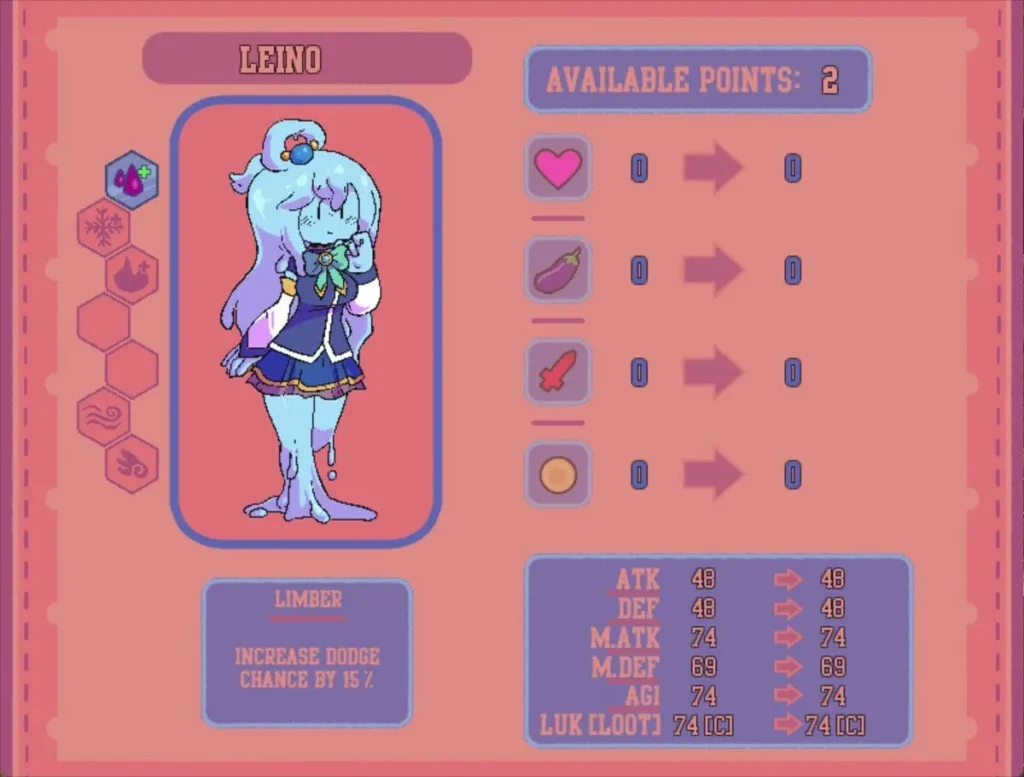
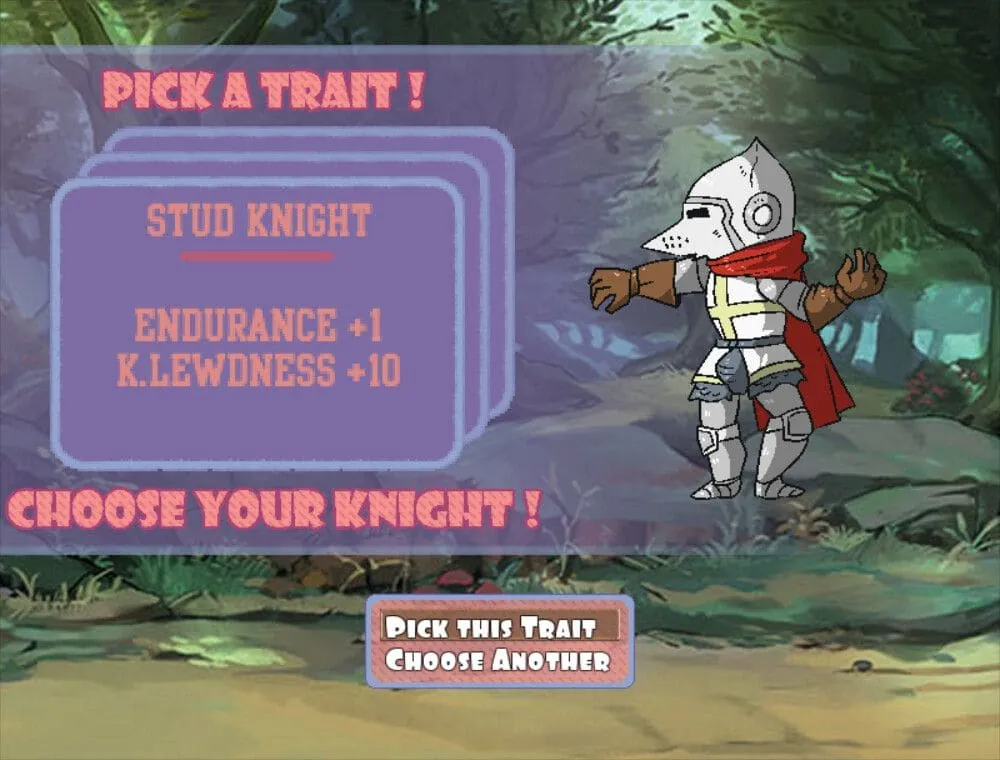
This leads directly into the superb character progression RPG systems. Your main character and your companions (of which there are many, many potential types) grow through a mix of traditional XP, skill usage, and unique lineage traits. You can improve swordsmanship, magical prowess, leadership, and even social skills like persuasion. But the real magic is in the diversity of your party members. You aren’t just recruiting generic soldiers.
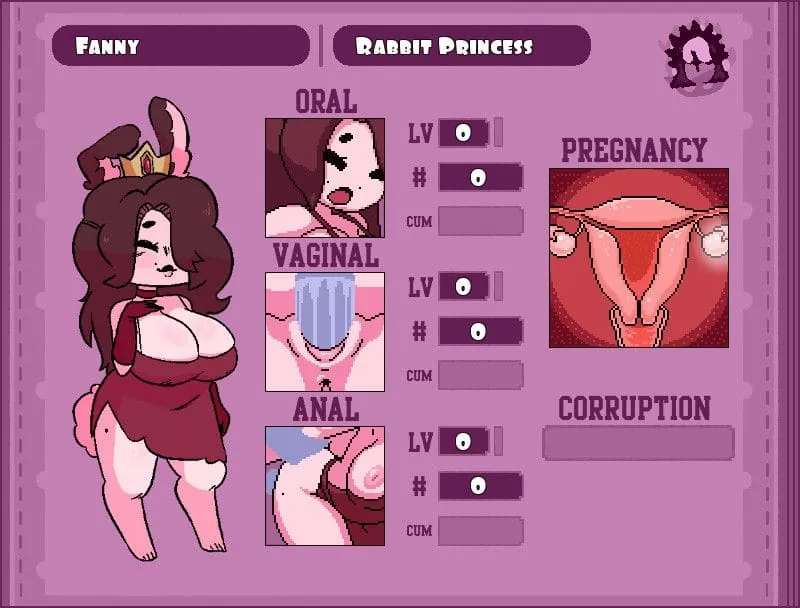
The game provides a stunning array of character types to discover, recruit, and develop. Each comes with its own mechanics, story potential, and progression path, making your roster a reflection of your playstyle and choices. Here’s a breakdown of some key types:
| Character Type | Recruitment Method | Unique Mechanics & Progression Path |
|---|---|---|
| Princesses 👑 | Courtship through gifts, quests, and high social stats. Often tied to specific kingdoms or factions. | Bring powerful faction alliances and unique royal lineage perks. Their progression often enhances diplomatic and leadership bonuses for your entire kingdom. |
| Freed Slaves ⛓️➡️🗽 | Rescue from bandit camps, hostile forces, or dark rituals. | Start with lower stats but possess immense loyalty and faster resolve gain. Their progression stories are often about reclaiming their identity, unlocking potent determination-based abilities. |
| Hatched Eggs 🥚 | Find rare eggs in dungeons or as quest rewards, then incubate them at your castle. | Grow from weak hatchlings into powerful draconic or exotic creatures. Progression is non-linear and can branch based on how you raise them (e.g., aggressive vs. protective). |
| Resurrected Undead ☠️ | Use necromancy spells (if your moral path allows it) on fallen enemies or specific story characters. | Do not require standard food or morale, are immune to poison/fear, but may weaken your standing with holy or living factions. Progress by absorbing death essence and upgrading their decaying forms. |
| Recruited Villagers 🧑🌾 | Offer positions to skilled commoners in villages you protect or govern. | Represent the “everyman” path. Highly customizable from the ground up. Can be trained into virtually any class, offering the most flexible if initially weaker, character progression RPG canvas. |
| Progeny 👨👧👦 | The children of your main character and your consorts. | A long-term investment. They inherit blended traits from their parents. As they come of age, they can become powerful heirs or commanders, carrying your legacy forward with unique combined abilities. |
Mixing and matching these units is key to tackling the varied challenges of the fantasy RPG combat system. A balanced team with a sturdy frontliner, a ranged damage dealer, and a support character is a good start, but the real fun begins when you experiment with exotic synergies. Imagine an undead tank that fears no pain, backed by a frog princess providing toxic cloud support, while your hatched dragonling strafes enemies from above! 🐉
Political Simulation and Dynamic World Events
If combat and character growth are the muscles of Princess & Conquest, then politics and world dynamics are its nervous system—a constantly buzzing, reacting network that makes your kingdom feel truly alive. This is where the political simulation game mechanics shine, ensuring no two reigns are ever the same.
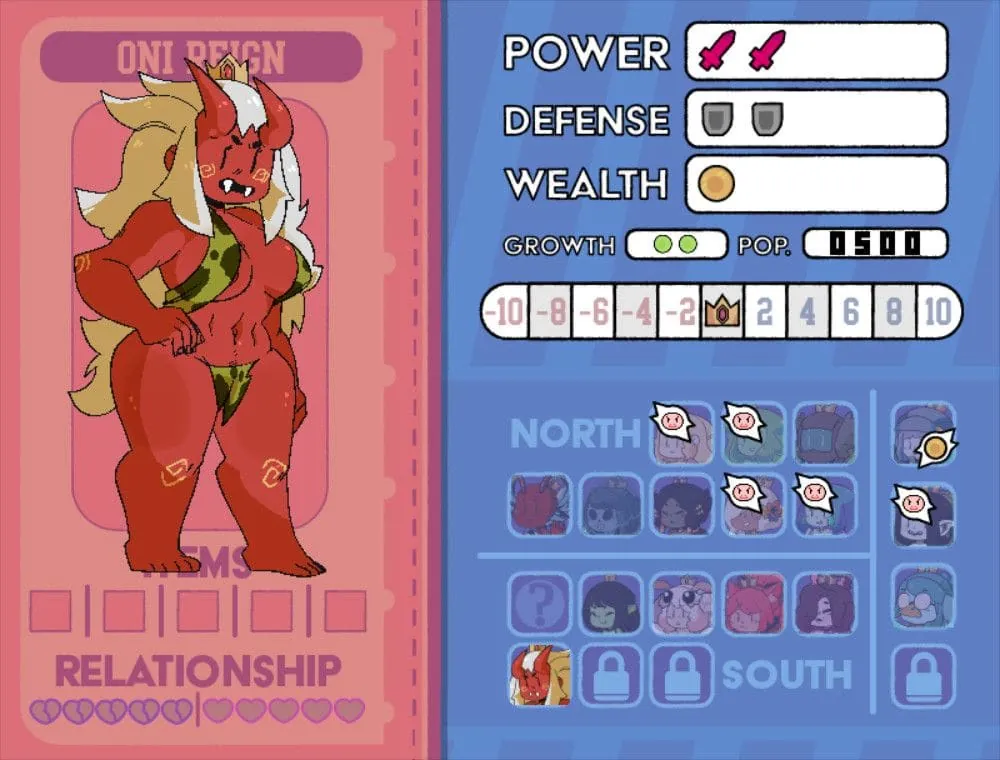
Your kingdom isn’t a static spreadsheet. It’s a living entity with needs, moods, and external pressures. Each region under your influence has its own culture, resources, and latent conflicts. Your choices in kingdom management strategy game segments—like setting tax rates, commissioning constructions, or enacting edicts—directly affect the loyalty of your people and the respect of your peers. Push taxes too high to fund a grand army, and you might face revolts. Be too generous, and you may lack the funds to repel an invasion.
What truly elevates this are the dynamic world events. The game world operates on its own clock, with factions vying for power, ancient evils stirring, and random crises emerging. You might be focused on building your treasury when a messenger arrives: a plague is spreading in the eastern farmlands. Do you quarantine the area (saving gold, losing food, angering the locals), send healers (a costly but noble solution), or ignore it to focus on your own goals? The event doesn’t pause the game; other factions are making their moves while you deliberate.
These events are the primary drivers of the branching narrative RPG. Certain major story paths are only triggered by meeting specific conditions during these dynamic events. Perhaps allying with the dwarves during a mining dispute unlocks a quest chain to awaken a subterranean god. Maybe failing to stop a demonic cult’s ritual in time locks you into a continent-wide apocalyptic story branch. The game doesn’t have a “main quest” so much as it has a “main web” of interconnected possibilities, and you are the spider navigating it, deciding which threads to follow.
It’s crucial to remember that Princess & Conquest is in active development. The developers are consistently refining these very Princess & Conquest gameplay mechanics, adding new events, balancing combat, and deepening the political simulation game mechanics. This means the game already offers staggering depth for a kingdom management strategy game, but it also continues to evolve, offering new surprises even to veteran players.
Ultimately, the genius of Princess & Conquest is how it balances formidable strategic depth with organic discovery. It respects your intelligence, offering a sandbox where the strategy RPG player choice system is genuinely meaningful. You will make mistakes, you will suffer unexpected defeats, and you will witness the glorious, unintended consequences of your plans coming to life. And through that very process—through mastering its fantasy RPG combat system, nurturing its deep character progression RPG, and navigating its thrilling branching narrative RPG—you will write a legend that is uniquely, wonderfully yours. 🏰✨ Your crown awaits, but remember: it’s much heavier than it looks.
Princess & Conquest delivers a distinctive gaming experience that successfully merges strategic RPG mechanics with narrative complexity and mature storytelling. The game’s strength lies in its commitment to player agency—your decisions genuinely shape both your kingdom’s political landscape and your characters’ personal journeys. From its dynamic choice system and character progression mechanics to its multiple story routes and emotional character relationships, the game offers substantial depth for players seeking meaningful engagement. While the graphics may feel dated and the game remains in active development, the compelling narrative integration, strategic gameplay, and thoughtful character systems create a memorable experience that stands apart from conventional fantasy RPGs. If you’re a mature player who values narrative-driven gameplay, complex character interactions, and genuine player choice, Princess & Conquest warrants serious consideration. Start your journey by exploring the game’s organic discovery system, embrace the consequences of your choices, and experience how your decisions ripple throughout the realm.