
Star Periphery
Play Star Periphery
Star Periphery Screenshots




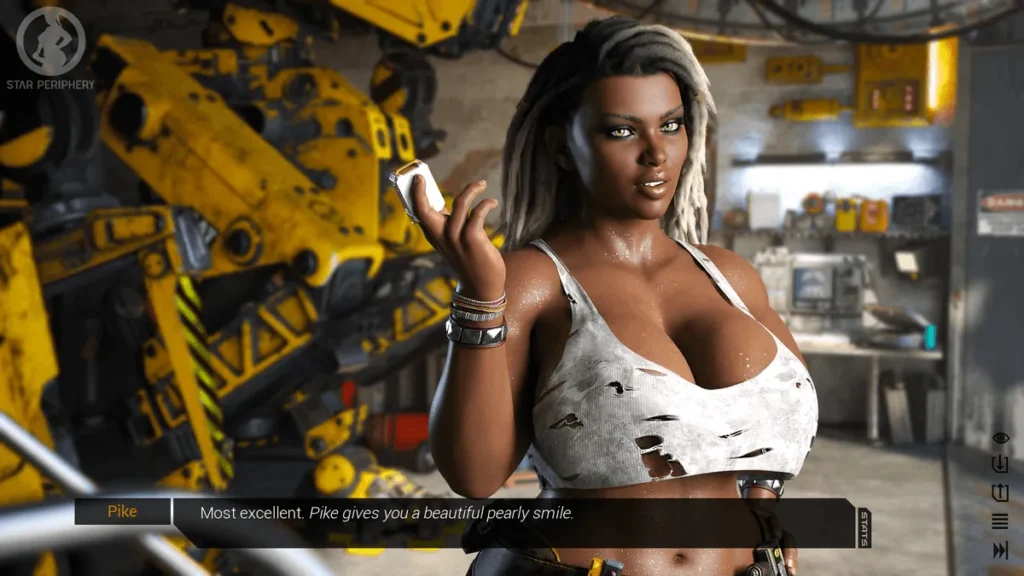



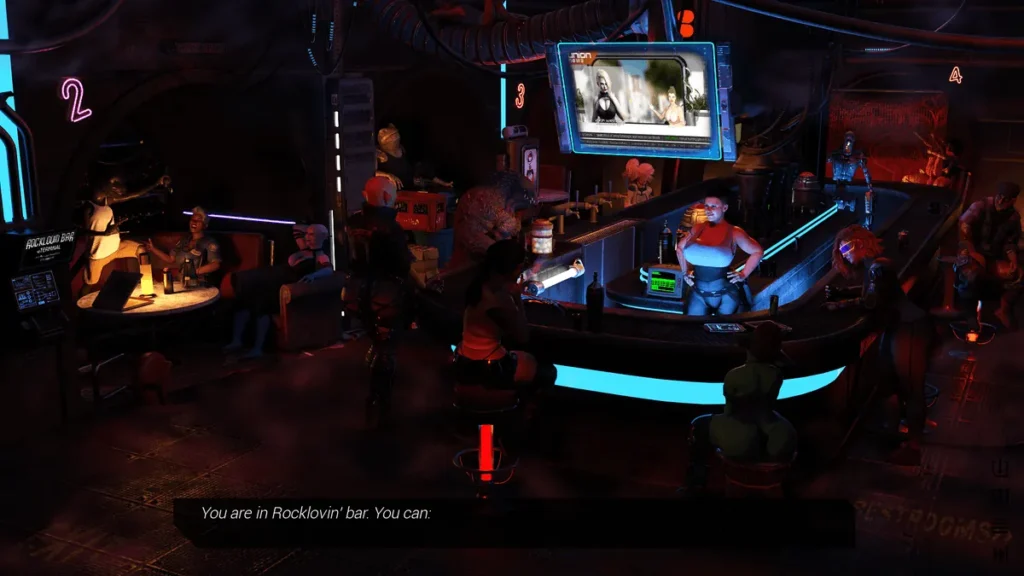
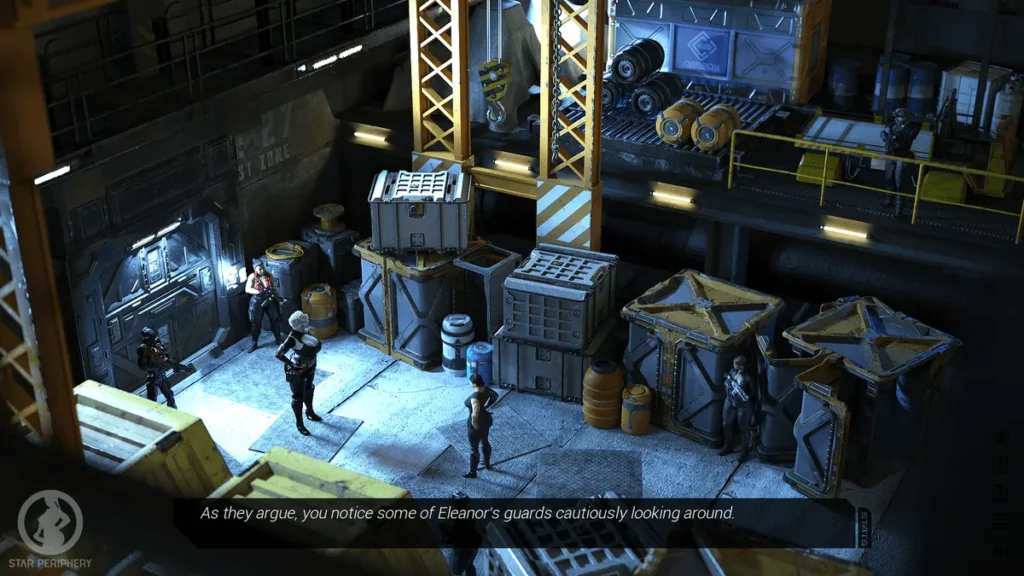
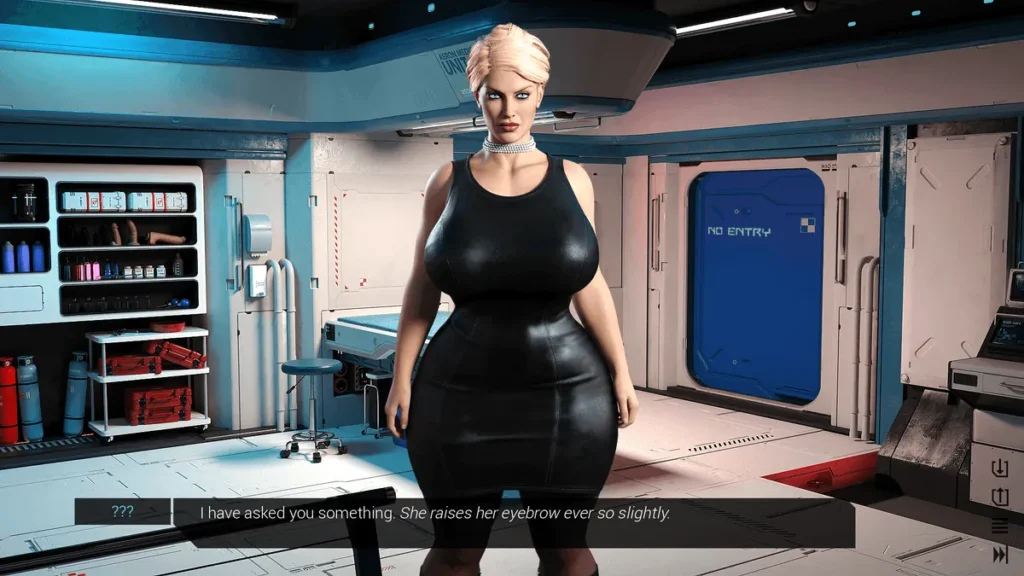

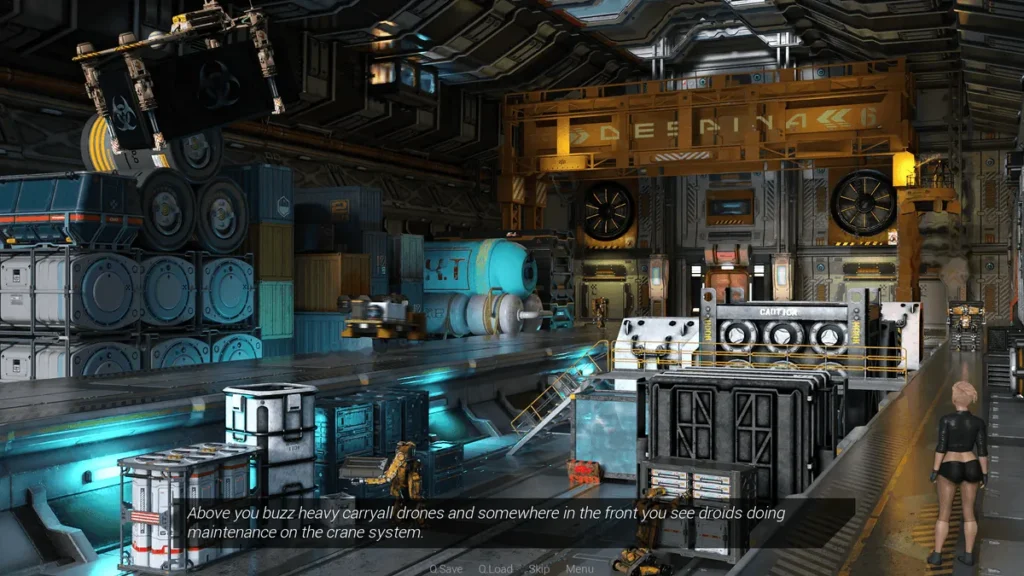
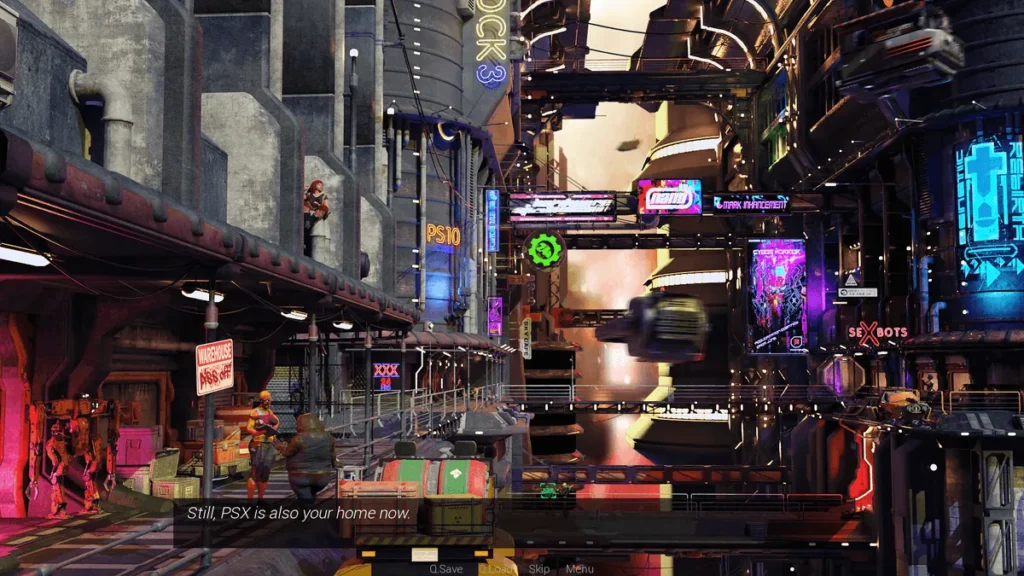
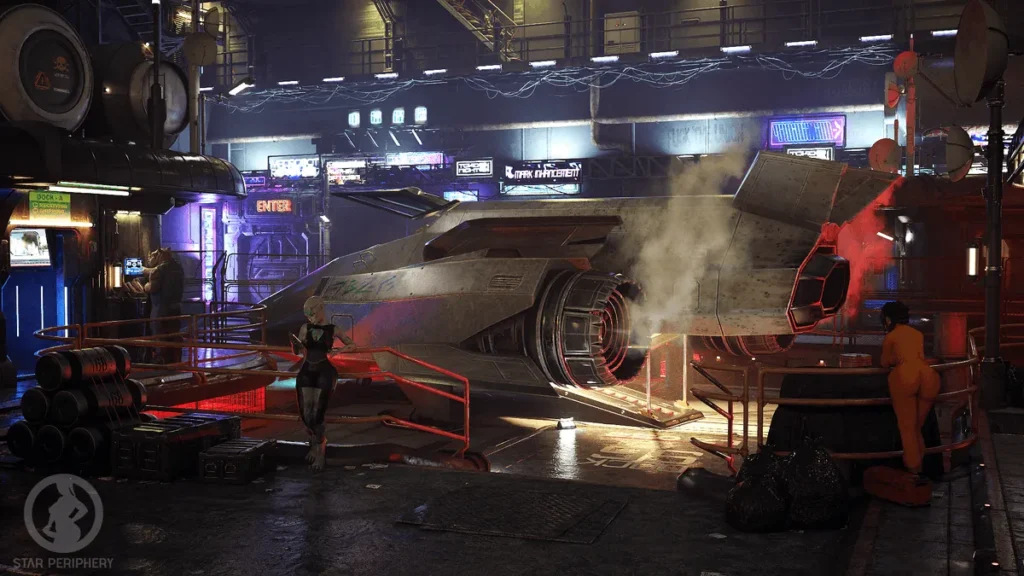
Star Periphery review
Exploring how Star Periphery redefines adult-oriented gameplay in the space strategy genre
Star Periphery stands out in the gaming world by seamlessly blending mature storytelling with complex space strategy mechanics. This innovative title goes beyond simply adding adult-oriented content to familiar gameplay—it fundamentally reimagines what mature gaming can achieve. Whether you’re a seasoned strategy enthusiast or new to the genre, understanding Star Periphery’s unique approach to command systems, narrative depth, and player agency reveals why this game has captured attention from players seeking more sophisticated gaming experiences. This guide explores the core elements that make Star Periphery a distinctive entry in space strategy gaming.
Understanding Star Periphery’s Innovative Approach to Mature Gaming
Let’s be honest: when you hear “mature space strategy games,” a certain image probably pops into your head. 🎮 You might expect gritty, violent cutscenes, a dark aesthetic, and maybe some edgy dialogue tossed in for good measure. For years, that surface-level intensity has been the default setting for “adult-oriented” gaming. I know I’ve bought into that promise before, only to find the strategic heart of the game was as shallow as a puddle.
Star Periphery throws that entire playbook out the airlock. Its innovation isn’t about what it shows you, but how it makes you think. This is a game that redefines adult-oriented strategy gaming by equating maturity with intellectual respect, complex consequence, and systemic depth, rather than mere thematic spectacle. It’s built for players who are tired of being handed simple solutions to complicated problems.
How Star Periphery Redefines Mature Gaming Beyond Surface-Level Content
So, what does maturity actually mean in Star Periphery? It’s not a rating; it’s a design philosophy. The game assumes you, the player, are an intelligent actor capable of handling ambiguity, ethical gray areas, and long-term strategic planning. The “mature” tag here refers to the complexity of the situations you manage and the weight of your decisions, not just the content of the dialogue.
I remember an early mission where I was tasked with stabilizing a rebellious colony. A typical game might offer a binary choice: crush the rebellion with force or bribe them with resources. Star Periphery presented a web of interlocking issues. The rebellion was sparked by a pharmaceutical shortage, which was caused by a piracy problem on my trade lanes, which was exacerbated by a rival faction I had previously snubbed in a diplomatic meeting. The “mature” content wasn’t a violent suppression; it was the slow, painful realization that my past arrogance was now causing innocent people to suffer. This is the core of Star Periphery gameplay mechanics: systems that talk to each other, creating narratives of cause and effect that feel genuinely consequential.
Here are the key features that distinguish this approach:
- Consequence Over Shock: Choices ripple outward, affecting economy, diplomacy, and internal faction loyalty for hours afterward.
- Ethical Scaffolding: Decisions are framed within believable political and social contexts, asking “what is necessary?” rather than just “what is good or evil?”
- Intellectual Demand: The game provides the tools and information, but you must connect the dots. It won’t highlight your one perfect solution with a giant arrow.
- Narrative Patience: Stories unfold through player action and system interaction, not just exposition dumps. You live the mature themes through your commands.
This philosophy fundamentally sets it apart from other mature space strategy games. The maturity is baked into the code, not just painted on the surface.
Multi-Layered Command Systems That Drive Strategic Depth
This is where the rubber meets the space-dust. Star Periphery command systems are the brilliant, beating heart of its strategic identity. If you’ve ever felt like you’re just moving health bars around a map in other strategy titles, this will feel like a revelation. The command structure is built on layers of agency, each layer granting control but also demanding more nuanced understanding.
Think of it like this: in a simple RTS, you command a unit to attack a target. In Star Periphery, you first define the Strategic Priority (e.g., “Secure the Helios Sector trade routes”). Then, you assign a fleet a Doctrine that aligns with that priority (e.g., “Commerce Protection – prioritize defending civilian ships, engage hostiles only within defense perimeter”). Finally, the individual ship captains, based on their experience, traits, and the tech you’ve equipped, will execute that doctrine. You’re not just giving orders; you’re setting a command culture.
Let me give you a specific example. Early in my playthrough, a valuable mining outpost came under pirate threat. My instinct was to send my heaviest destroyer to squash them. I gave a direct attack order (Layer 1). It worked, but the destroyer’s aggressive patrol pattern afterward scared off neutral traders, crippling the outpost’s economy. I failed to use the deeper Star Periphery gameplay mechanics.
I reloaded. This time, I engaged the multi-layered command systems. I set the sector’s strategic priority to “Economic Growth” (Layer 2). I tasked a lighter frigate squadron with a “Deterrence Patrol” doctrine, which focuses on showing presence and intercepting threats before they strike (Layer 3). I then fine-tuned by instructing them to favor communication jamming over immediate weapons fire (Layer 4). The result? The pirates, finding their scanners scrambled and a persistent guard on station, disengaged. Trade flowed, the outpost thrived, and I never fired a shot. The victory felt ten times more satisfying because it was a victory of complex strategy game mechanics, not just firepower.
The game masterfully interweaves these command layers:
| Command Layer | Your Input | The Game’s Interpretation | Strategic Impact |
|---|---|---|---|
| Fleet Doctrine | Setting a default behavior (e.g., “Cautious,” “Aggressive,” “Autonomous”). | Ships will manage shields, positioning, and target selection based on this core philosophy. | Defines the “personality” of your forces; a cautious fleet survives longer but may miss opportunities. |
| Mission Parameters | Assigning a primary & secondary objective with rules of engagement. | The AI will attempt to fulfill the primary goal, using the secondary as a guide, while obeying your rules. | Creates nuanced objectives beyond “destroy all.” A “Scan & Withdraw” mission feels completely different from “Capture & Hold.” |
| Officer Discretion | Assigning a specific captain with unique traits to a ship or fleet. | A “Stubborn” captain may resist changing doctrine mid-battle; a “Tactical” one might use more creative maneuvers. | Adds a human (or alien) element. You must manage personnel, not just machines. |
This structure means you spend less time micromanaging every laser blast and more time thinking like an actual admiral or governor. You’re crafting policy, not just issuing tactical commands. This depth is what makes a Star Periphery review often read like an analysis of a complex simulation rather than a simple game. 🧠
The Balance Between Narrative Maturity and Gameplay Complexity
This is the final, masterful synthesis where Star Periphery truly ascends. In many narrative-driven space games, the story is a separate track from the strategy—you play a mission, then watch a cutscene. Here, the narrative is the gameplay, and its mature themes are expressed through the very systems you command.
The game respects your intelligence by never letting the story trivialize the strategy, or vice-versa. A plot about a refugee crisis isn’t solved by a single conversation tree. It becomes a strategic headache: you need to allocate transport ships (diverting them from mining), establish housing modules on a suitable planet (straining your construction queue), manage the political backlash from xenophobic factions within your empire (a diplomacy screen problem), and secure new food sources (a logistics and trade challenge). The “mature” theme of the refugee plight is directly translated into a series of engaging, interlocking gameplay challenges.
Player agency is absolute, but it is agency within a framework of believable consequence. Early on, I uncovered a plot by a corporation to sell faulty terraforming tech to a fledgling colony. The classic “hero” move was to expose them. But my Star Periphery review of the situation showed the corporation was also my biggest supplier of advanced alloys. Exposing them could spark a sanctions war that would set my fleet modernization back by a dozen hours. The game presented the data: colony survival probability, economic forecasts, military readiness projections. It didn’t tell me what was right. It said, “Here are the systems. You decide.” I chose to quietly pressure the corporation into a recall, saving the colony but at a significant personal cost in bribes and lost trust. The narrative maturity enhanced the complex strategy game mechanics by making the resource being managed not just credits, but my own moral capital.
This is the ultimate takeaway from any deep dive into Star Periphery. It stands as a pillar among mature space strategy games because its adult-oriented content isn’t a layer you see; it’s a weight you feel in every decision. The Star Periphery command systems give you the tools to bear that weight, offering depth and control that reward careful thought. Its gameplay mechanics are a language for expressing complex, often difficult, strategic stories.
It’s a game that doesn’t just ask you to build a fleet and conquer the galaxy. It asks you to consider the cost, manage the fallout, and live with the galaxy you create. And in doing so, it offers one of the most genuinely mature and profoundly satisfying experiences in the entire realm of adult-oriented strategy gaming. 🚀
Star Periphery represents a meaningful evolution in how mature themes can be integrated into strategy gaming. By prioritizing sophisticated command systems and narrative depth alongside adult-oriented content, the game demonstrates that maturity in gaming extends far beyond surface-level additions. The title’s approach to weaving complex mechanics with meaningful storytelling creates an experience that respects player intelligence and offers genuine strategic challenges. For players seeking a space strategy game that treats mature themes as integral to the experience rather than window dressing, Star Periphery delivers a compelling and distinctive offering. Whether you’re drawn to the intricate command systems, the narrative complexity, or the overall design philosophy, Star Periphery invites players to engage with strategy gaming in a more sophisticated and thoughtful way.