
Subverse Screenshots



Subverse review
Explore combat, story, and crew bonds in this genre-blending hit
Imagine commanding a spaceship through chaotic battles, building deep connections with a crew of stunning alien allies, all while unraveling a galactic rebellion in Subverse. This isn’t just any title—it’s a bold mix of tactical combat, shoot ’em up action, and visual novel storytelling that hooked me from the first mission. Developed by Studio FOW and released fully in November 2024, Subverse stands out in the sci-fi gaming world with its Prodigium Galaxy setting and over 239 unlockable intimate scenes. Whether you’re here for the strategy depth or the rewarding crew interactions, I’ll share my journey playing it, tips to master its modes, and why it deserves a spot in your library. Let’s dive into what makes Subverse unforgettable.
What Makes Subverse Gameplay So Addictive?
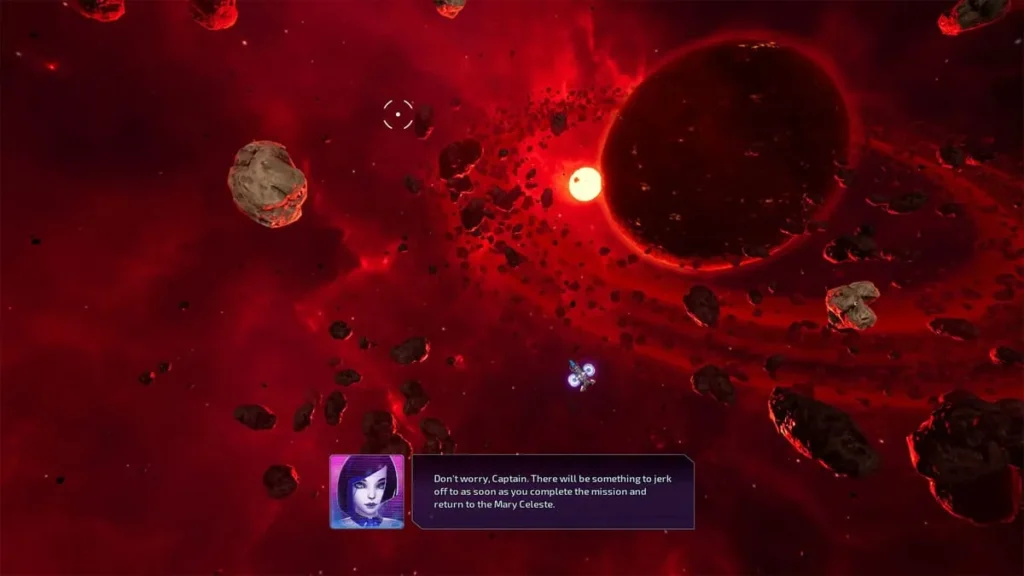
I’ll never forget my first real scrape in the Mary Celeste. One moment, I’m enjoying the witty banter between my crew, and the next, I’m flung into the void—my ship surrounded by marauding Prodigium fighters. Lasers criss-crossed the screen, asteroids became my only cover, and my heart was pounding as I weaved through the chaos, thumbs working the sticks frantically. I barely made it out, shields at 2%, but the rush was incredible. That’s the magic of Subverse gameplay 😅. It’s not just one thing; it’s a brilliantly chaotic fusion of styles that keeps you constantly engaged, always asking for “one more mission.”
This isn’t a game that picks a lane—it owns the entire highway. Studio FOW has masterfully woven together three distinct gameplay pillars: intimate visual novel-style storytelling, tense tactical battles, and heart-pounding arcade action. The genius is in the loop. You get invested in the characters and story, which drives you to tackle tougher Subverse missions to empower your crew, which in turn unlocks more of the narrative and world. It’s a deliciously addictive cycle that makes how to play Subverse a uniquely rewarding learning curve 🚀.
How Twin-Stick Shooters and Grid Tactics Blend Seamlessly
The backbone of Subverse combat is its daring duality. You need to be a quick-reflexed ace pilot and a cunning tactical commander. Let’s break down this thrilling split.
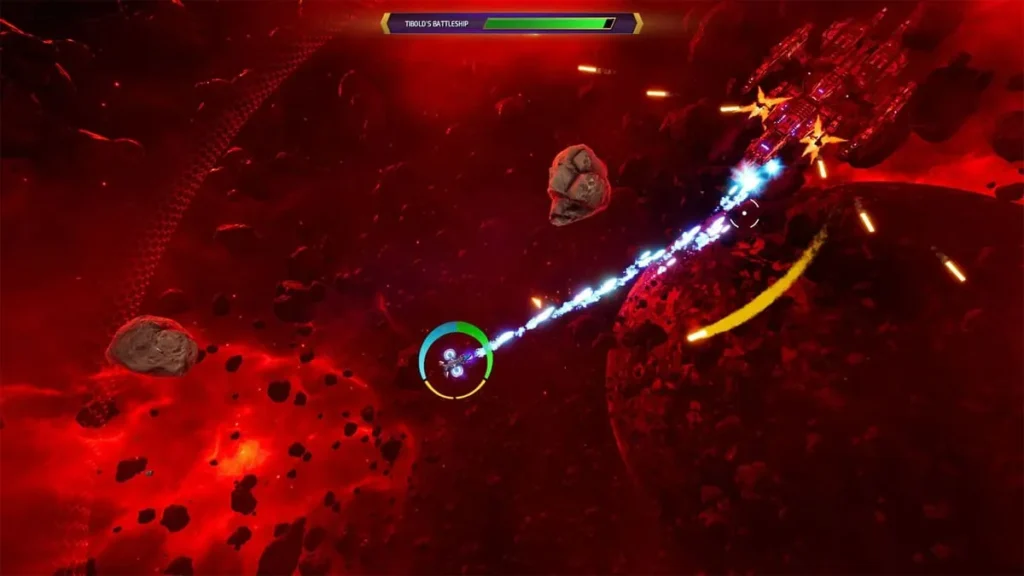
First, the twin-stick shooter Subverse experience. When you drop into space combat, you’re in direct control of Captain’s ship. The perspective can shift from classic vertical scrolling to side-scrolling or even free-roaming 3D areas. The core principle is the same: you move with one stick and aim/shoot with the other. It’s pure, chaotic fun. I remember using asteroids as makeshift bunkers against a pirate ambush, peeking out to unleash a missile volley before darting back into cover. The key is movement—standing still is a death sentence. Upgrading your ship’s weapons, shields, and engines between missions is crucial for survival here.
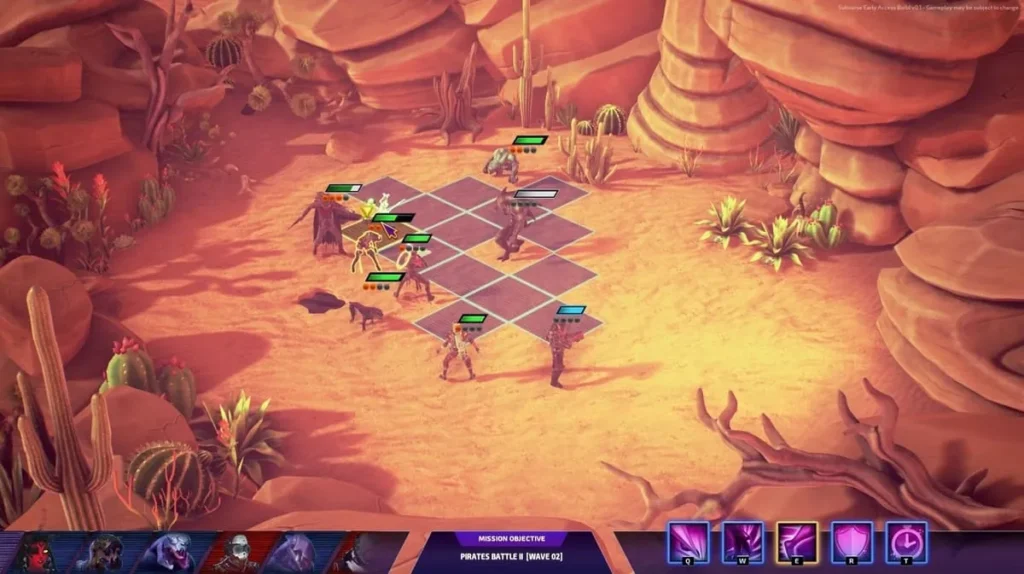
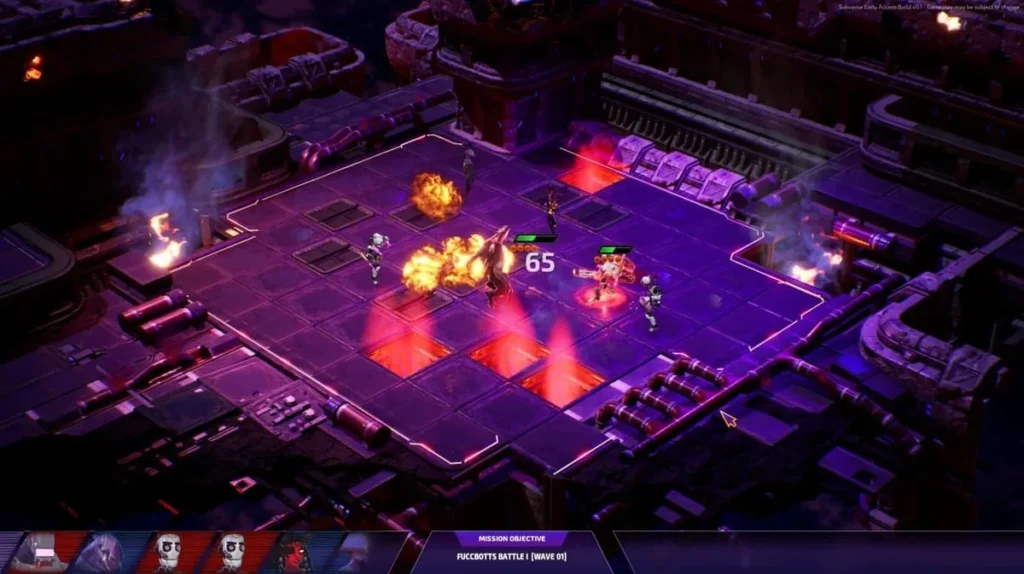
Then, planetside, the game transforms. Grid tactics Subverse battles unfold on hex-based maps that will feel wonderfully familiar to fans of games like Heroes of Might and Magic. You command your Subverse waifu squad—each a powerful hero unit—alongside an army of loyal, if not slightly grotesque, mutant minions. This is where strategy takes over. Positioning is everything. Placing Demi, your close-quarters brawler, to block a choke point while Lily snipes from high ground, and having Killi support from the back lines creates a satisfying tactical puzzle. Managing your action points to attack, use special abilities, and even summon reinforcements during a turn adds a deep layer of thought. The switch from frantic shooting to methodical planning is jarring in the best way, and it perfectly represents the two sides of your captain’s life: chaotic space jockey and calculated ground leader.
Building Your Waifu Squad for Victory: Tips and Strategies
Your crew is more than just eye candy; they are the beating heart of both the story and the Subverse gameplay. Each member has a unique personality, preferred fighting style, and set of skills that directly impact both combat modes. Building the right team for the job is half the battle won.
Think of them as specialized tools. For a mission with tough ground opposition, you’ll want a different lineup than for a mission that’s primarily a brutal asteroid field dogfight. Beyond the battlefield, interacting with them, completing their personal quests, and giving them gifts deepens your bond, which isn’t just for show—it can unlock new abilities and dialogue. Here’s a breakdown of how to think about your core team:
| Character | Ground Strengths | Space Strengths | Best Missions For |
|---|---|---|---|
| Demi | A relentless frontline tank. High health, powerful melee attacks, and abilities that draw enemy aggro. Perfect for holding the line. | Her ship, the BDSM Chrysalis, is a sturdy bruiser. It excels at close-range shotgun-style blasts and can take a serious beating. | Grid battles with numerous enemy units or space combat requiring you to get in close and personal. |
| Lily | The long-range specialist. She deals massive single-target damage from a distance but is vulnerable up close. Positioning is key. | Her ship, the Huntress, is a precision instrument. It features powerful, accurate lasers ideal for picking off foes before they get near. | Missions with powerful “boss” enemies on the ground or in space where you can keep your distance. |
| Killi | The support and summoner. She can heal allies, buff their stats, and call in additional mutant troops to swamp the battlefield. | Her ship, the Fortune, focuses on support and area control. It can deploy drones and has weapons with wide area-of-effect. | Lengthy, endurance-style missions where sustain and controlling the flow of battle are more important than raw damage. |
My personal strategy? I almost always take Killi on ground missions. Her ability to summon extra troops effectively gives you more actions per turn, which is a huge tactical advantage. For space, I lean towards Lily’s precision when I need to tackle specific objectives, or Demi’s raw power when I just need to smash through a blockade. Remember, gifting them items you find on your travels (like data pads or alien artifacts) boosts your relationship, unlocking new scenes in the Pandora system and making them more effective comrades-in-arms. Your Subverse waifu squad is your most valuable asset—invest in them! 💖
Unlocking Rewards Through Missions and Upgrades
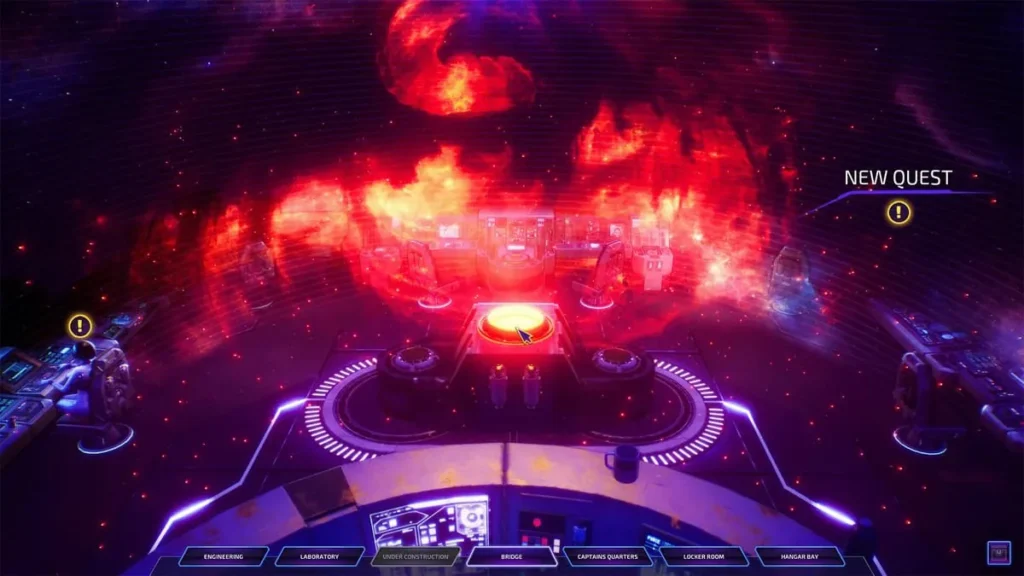
The progression loop in Subverse is incredibly satisfying. Every action you take feeds into making your crew and ship stronger, which allows you to take on greater challenges. It all starts at the mission select screen on the map of the Prodigium Galaxy.
Each Subverse missions has primary and optional objectives, and your performance is graded with a star rating. This isn’t just for bragging rights! ⭐ Earning more stars nets you more credits and rare loot. These rewards are the lifeblood of your progression. Credits are used for vital ship improvements—like upgrading your laser cannons or hull integrity—and for purchasing new mutant strains to summon in grid battles. The loot includes stat-boosting implants for your crew and those all-important relationship gifts.
This funnel of rewards leads directly to the game’s meta-progression: the Pandora system. As you increase your bonds with your crewmates and collect special artifacts, you unlock new scenes that delve deeper into their characters. It’s crucial to emphasize this: Subverse is a full-fledged RPG with a story focus. These scenes are not “extras”; they are the payoff for your efforts, the narrative core that the entire Subverse gameplay loop is built around. It creates a powerful sense of purpose—you’re not just grinding for better stats; you’re fighting to learn more about these characters you’re growing attached to.
Having navigated from its Early Access launch in 2021 to its full feature-complete version 1.0 release in November 2024 on Steam and GOG, the game now offers a polished and substantial journey. If you’re just starting, here are my top five pieces of actionable advice for mastering its systems:
- Balance Your Squad: Never go into a mission without checking the preview. If it says “Ground Combat Heavy,” prioritize your grid tactics team (Killi is a queen here). For “Space Combat Heavy,” choose your best pilot waifu.
- Manage Turn Tempo in Grid Battles: Don’t blow all your unit actions immediately. Sometimes, moving into position and ending a turn to let the enemy come to you, so you can counter-attack with a full force next round, is the winning strategy.
- Asteroids Are Your Friends: In the twin-stick shooter Subverse segments, always use the environment. Asteroids block fire and can be shot to create explosions. Circling a large rock is often better than trying to outrun a missile swarm.
- Invest in Credits Early: Your first major goal should be to upgrade your ship’s weaponry and shields. This makes the space combat segments, which can be tough initially, much more manageable and fun.
- Gift Strategically: Pay attention to which gifts each crewmate “loves” or “likes.” Using a gift they love gives a massive relationship boost, speeding up your progress in their personal story and the Pandora unlocks.
Mastering how to play Subverse is about embracing its hybrid nature. It’s about the thrill of a narrow escape in the vastness of space, the intellectual satisfaction of a perfectly executed tactical maneuver on an alien world, and the personal joy of seeing your crew’s stories unfold because of your efforts. It’s a unique, genre-blending cocktail that’s hard to put down
Subverse masterfully weaves tactical thrills, epic storytelling, and meaningful crew bonds into one unforgettable sci-fi journey that kept me up late perfecting my strategies and deepening relationships. From dodging bullet hell in space to outmaneuvering foes on grid battlefields, every moment builds toward rebellion in the Prodigium Galaxy. If you’re craving a game that rewards skill with genuine progression and excitement, grab it on Steam or GOG today—fire up your ship, recruit your squad, and see why it’s more than meets the eye. Your next adventure awaits; don’t miss out on commanding the Mary Celeste.