
Play Sylphine
Sylphine Screenshots
















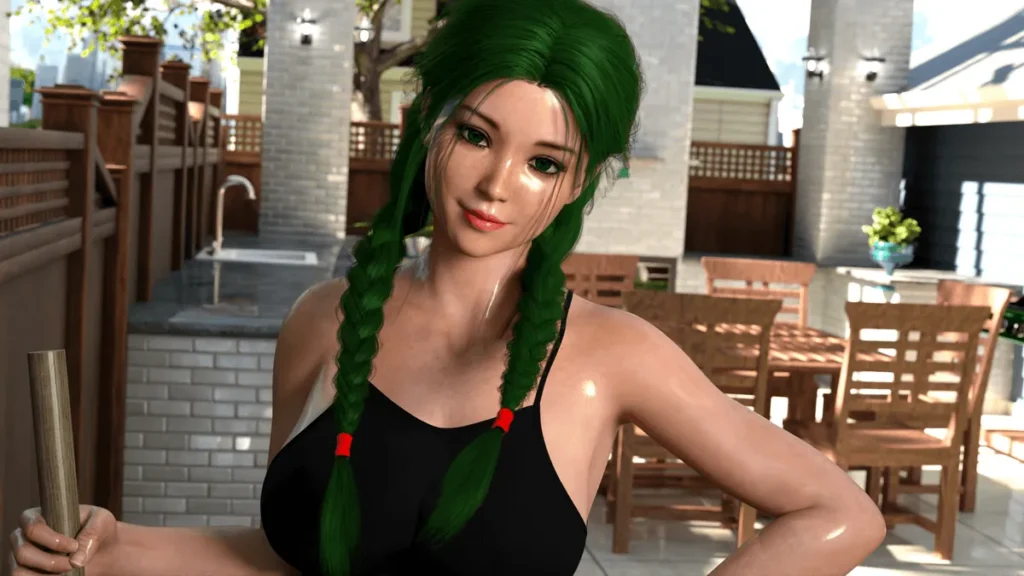
Sylphine review
Explore storytelling, character relationships, and gameplay mechanics in this sandbox adventure
Sylphine stands out as a distinctive sandbox visual novel that seamlessly blends interactive storytelling with meaningful player choices. This guide explores everything you need to know about Sylphine, from its innovative choice-and-consequence system to its diverse cast of characters and engaging narrative structure. Whether you’re new to the game or looking to deepen your understanding of its mechanics, this comprehensive overview covers the core features that make Sylphine a captivating experience for fans of narrative-driven games.
Understanding Sylphine’s Core Gameplay Mechanics
Welcome to the heart of Sylphine—where every whispered secret, every heated argument, and every moment of quiet support isn’t just a story beat; it’s the very fabric of your gameplay. If you’re used to visual novels where you passively watch a tale unfold, prepare for a paradigm shift. 🎮 Here, you don’t just follow a narrative; you architect it with every decision. This chapter will break down the ingenious systems that make Sylphine a living, breathing world that reacts to you. Forget the idea of a “gameplay loop” separate from the plot; in this sandbox adventure, conversation is your primary tool, and relationships are your most valuable resource.
How the Choice and Consequence System Works
At its core, the Sylphine choice and consequence system is built on a philosophy of meaningful nuance. You will almost never see a blatant “Good / Evil / Sarcastic” prompt. Instead, you’re presented with dialogue options and actions that reflect different attitudes, tactical approaches, and facets of your own personality. Is a character pleading for mercy? Your options might be framed as “Assess the threat calmly,” “Demand immediate surrender,” or “Listen to their story.” Each is a valid approach, but each sends ripples through the narrative pond in vastly different ways.
I learned this the hard way. Early on, I encountered a desperate faction leader accused of theft. One option was to use my authority to immediately confiscate the contested goods (“Assert Your Rank”). It seemed efficient! But this choice, which felt like decisive leadership to me, was viewed by my companion, the idealistic mage Elara, as a tyrannical abuse of power. It didn’t just lower her affinity; it permanently closed off her personal questline about reforming local governance. That branch of the story was gone. Poof. 💨 Conversely, choosing “Investigate the Claim” opened a whole mini-mystery, earned the respect of several side characters, and unlocked a secret stash of resources later on.
Pro Tip: Save often before major interactions! The Sylphine choice and consequence system is designed to make you live with your decisions, but saving lets you appreciate the sheer breadth of narrative possibility.
This system extends far beyond dialogue. Your actions in the sandbox world—who you help, what locations you prioritize exploring, even how you manage your time—are all part of this web. Choosing to spend an afternoon helping the town blacksmith forge weapons might mean missing a clandestine meeting at the tavern. That “missed” event doesn’t vanish; it simply progresses without you, potentially with outcomes less favorable to your goals. The world doesn’t wait, and that’s what makes your choices feel truly consequential.
Let’s look at a concrete example: The “Glimmerwood Dilemma.”
You find a sacred grove being poisoned by mining operations. A quick, forceful shutdown (“Threaten the Foreman”) resolves the immediate crisis and boosts your reputation with the druidic character, Kaelen. However, it angers the merchant guild, making certain goods more expensive and locking you out of a quest to find a technological compromise. The alternative, a diplomatic approach (“Propose a Joint Council”), takes multiple in-game days and requires passing a persuasion check, but it unlocks a unique story branch where the druids and miners collaborate, giving you access to both magical and mechanical upgrades later. One scenario, two wildly different branching story paths and relationship outcomes.
The Relationship and Affinity Framework Explained
If choices are the engine, then relationships are the fuel. Every major character in Sylphine operates on a dynamic character affinity system. This isn’t just a simple “like/dislike” bar you can max out with gifts. It’s a complex, often hidden, web of feelings, respect, trust, and sometimes rivalry that changes based on your consistent behavior.
Think of it this way: each character has a personality key. Your sarcastic remark might be the perfect key for the cynical spy Rook, who finds it hilarious and respects your shrewdness (+Affinity with Rook). Use that exact same line with the honorable knight Captain Valerius, and he’ll see it as flippant disrespect for a serious situation (-Affinity with Valerius). The game doesn’t telegraph this with pop-ups; you learn it by paying attention to their reactions, their follow-up dialogue, and the shifting dynamics in group scenes. 🗝️
This character affinity system is multi-faceted, often tracking different stats like:
* Trust: Do they believe you have their back?
* Respect: Do they value your judgment and capability?
* Familiarity: How close are you on a personal level?
* Alignment: How much do your moral compasses match?
Investing time in characters—by choosing to accompany them, supporting their ideas, or successfully completing their personal requests—unlocks deeper layers. Reach a certain affinity threshold with the historian Lin, and she might confide in you about a forbidden archive, unlocking a personal questline full of ancient lore and unique artifacts. These arcs are some of the most rewarding content in the game, offering profound backstory and powerful rewards that can alter your approach to the main plot.
But it’s not just about “winning” everyone over. Sometimes, a tense relationship or even a rivalry can be just as narratively fruitful. A character with low trust might withhold crucial information, forcing you to find alternative sources. Or, a competitive rivalry with another aspirant could push both of you to greater heights, unlocking exclusive training scenes. The relationship mechanics in Sylphine ensure that every interaction is dynamic and has weight.
Here’s how the core gameplay systems interconnect to shape your unique story:
| Gameplay Feature | How It Works | Direct Narrative Impact |
|---|---|---|
| Dialogue Choices | Selecting responses that match character personalities, morals, or tactical needs. | Immediate shift in character affinity; can unlock or lock personal dialogue trees; influences group opinion. |
| Major Plot Decisions | Key story junctions where you pick a faction, moral stance, or strategic direction. | Creates major branching story paths; determines which allies, enemies, locations, and end-game scenarios are available. |
| Affinity System | Building hidden meters of Trust, Respect, etc., through consistent actions. | Unlocks character-specific quests, romance options, crucial assistance in battles/challenges, and exclusive story revelations. |
| Skill & Stat Checks | Using your character’s skills (Persuasion, Lore, Stealth) to solve problems. | Opens alternative solutions to obstacles, bypassing potential affinity losses; can reveal hidden story details and shortcuts. |
Narrative Impact of Your Decisions
So, how does all this systemic complexity translate to your actual experience? It means the story you live is undeniably, uniquely yours. The dialogue choices impact is not ephemeral; it compounds. That joke you shared with Rook three chapters ago might be referenced when he decides to vouch for you in a tense council meeting. The favor you did for a minor shopkeeper could lead to a tip about a secret entrance during a critical mission. The sandbox visual novel features mean the world is full of these connective threads, and you choose which ones to pull on.
Major decisions act as story forks, but the path between those forks is molded by your relationships. You might reach the same story fork—say, the “Battle of the Veil Bridge”—but who fights beside you, what intelligence you have, and even the available strategies will be completely different based on your prior investments. In one playthrough, I had Elara’s magical barrier protecting my troops because I’d earned her unwavering trust. In another, I had to rely on Rook’s sabotaged explosives because my relationship with the mages was strained. Same battle, completely different feel and outcome. ⚔️
This is the magic of Sylphine’s visual novel gameplay mechanics. There is no “pause” where you stop reading to start playing. Reading is playing. Every button click is a narrative act. Engaging with the relationship mechanics in Sylphine is as crucial as managing your inventory in an RPG. Exploring the sandbox visual novel features—taking time to wander, talk to everyone, and follow hunches—is how you uncover the game’s deepest secrets and most powerful alliances.
Your journey through Sylphine will be a direct reflection of your priorities, your empathy, and your cunning. Will you be a unifying leader, a cunning manipulator, or a solitary wanderer uncovering truths? The systems are all there, seamlessly woven together, waiting for you to leave your mark. Remember, in this world, there are no meaningless conversations—only opportunities you haven’t yet realized.
Sylphine represents a thoughtfully crafted sandbox visual novel that successfully merges interactive storytelling with meaningful player agency. The game’s strength lies in its nuanced choice-and-consequence system, where every decision carries weight and shapes both the narrative and character relationships in organic ways. The diverse cast of characters, each with distinct personalities and personal storylines, provides multiple avenues for engagement and emotional investment. Combined with stunning visual presentation and a balanced mix of drama, comedy, and mature content, Sylphine delivers a comprehensive experience that respects player choice while maintaining narrative coherence. Whether you’re drawn to character-driven stories, branching narratives, or immersive world-building, Sylphine offers substantial content that rewards exploration and thoughtful decision-making. Dive into this captivating world and discover how your choices shape a uniquely personal story.