Tainted Heritage – a.k.a Weird Shit Is Going to Happen
Play Tainted Heritage – a.k.a Weird Shit Is Going to Happen
Tainted Heritage – a.k.a Weird Shit Is Going to Happen Screenshots
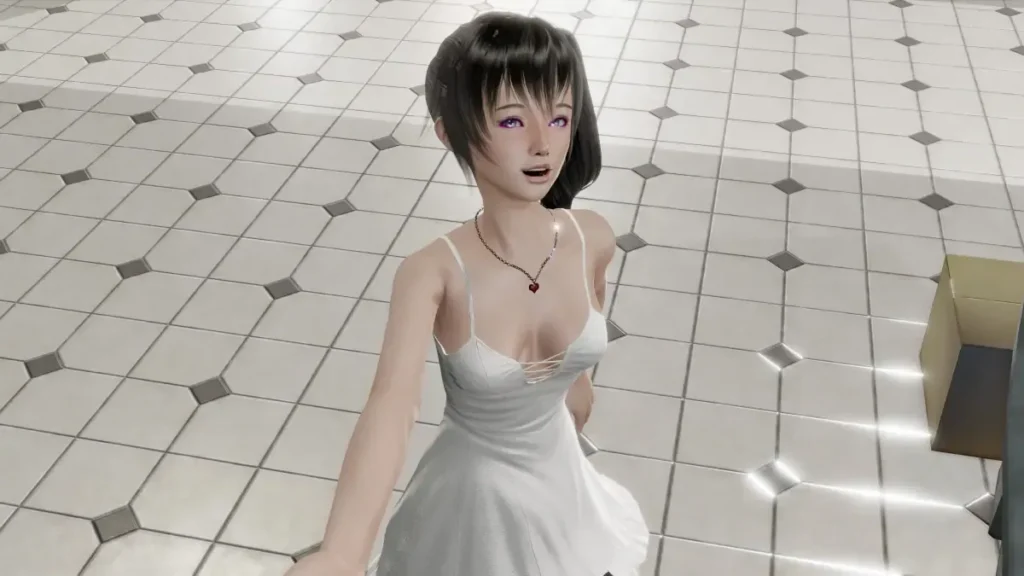
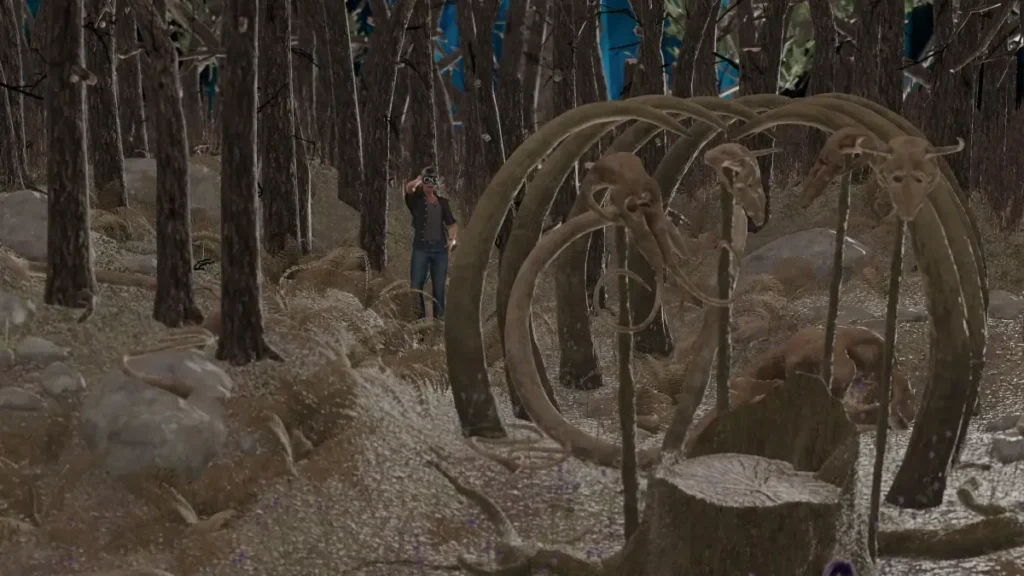
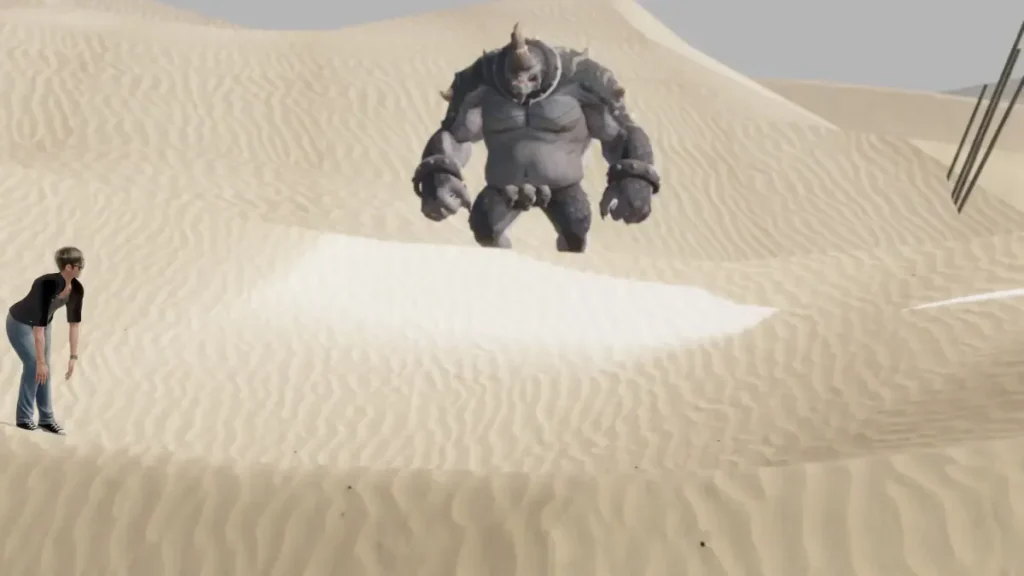
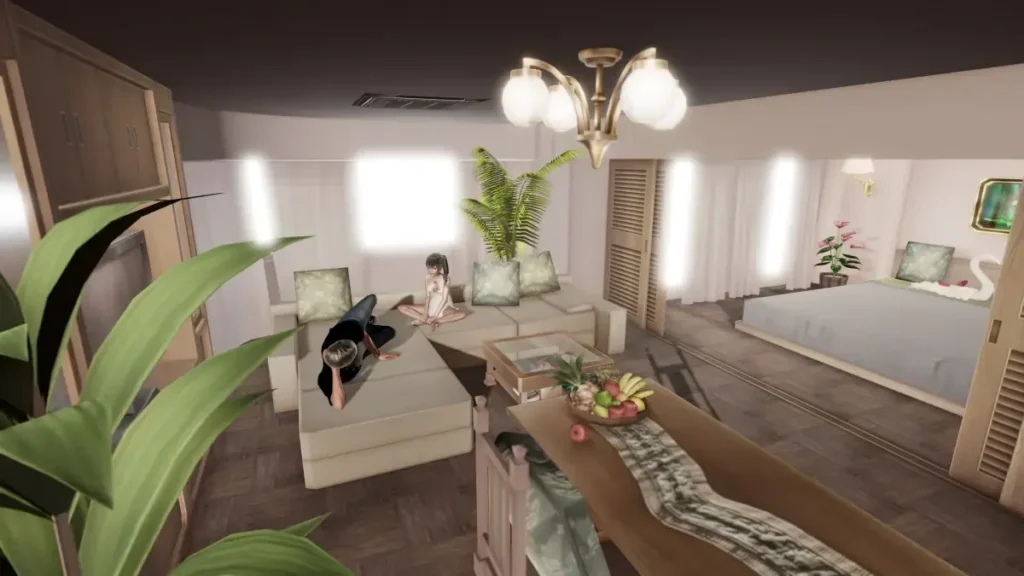
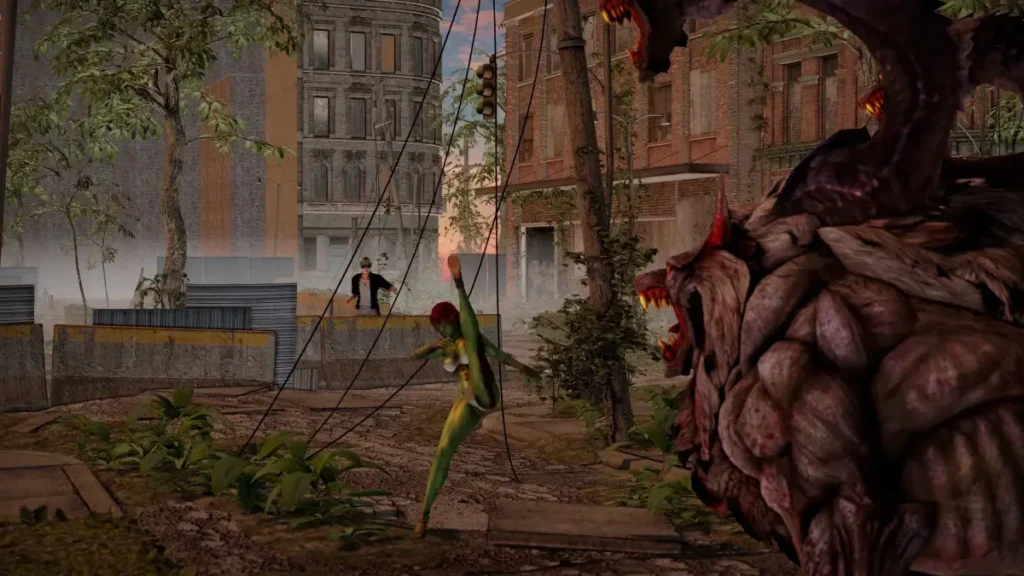
Tainted Heritage – a.k.a Weird Shit Is Going to Happen review
Explore the unconventional narrative design and complex storytelling mechanics of this indie visual novel
Tainted Heritage stands out in the visual novel landscape as an experimental narrative experience that challenges conventional storytelling expectations. This indie title reimagines how player choices shape narrative outcomes, moving beyond traditional branching paths to create deeply personal gaming experiences. Whether you’re drawn to unconventional game narratives, complex character dynamics, or indie gaming creativity, understanding what makes Tainted Heritage distinctive helps you determine if this choice-based visual novel aligns with your gaming preferences. The game’s approach to consequence-driven storytelling and environmental narrative design creates an engaging experience that rewards careful decision-making and multiple playthroughs.
Understanding Tainted Heritage’s Unique Narrative Design
Let’s be honest: most visual novels, as much as we love them, can feel a bit like riding a train on a very visible track. 🚂 You make a choice, you see an immediate reaction, and the story chugs predictably toward one of a few clear endings. Tainted Heritage – a.k.a Weird Shit Is Going to Happen throws that entire train schedule out the window. From the moment you start, you realize this isn’t just another dating sim or mystery thriller; it’s a deep, often unsettling experiment in player agency visual novels. Its entire indie game narrative structure is built to make you feel the weight of every whispered secret and every casual lie.
This chapter is your guide to understanding the brilliant, complex machinery under the hood. We’re diving into what makes its Tainted Heritage narrative design so groundbreaking, from the consequence timeline gameplay that will have you gasping hours later, to the subtle, haunting ways it uses environmental storytelling games techniques. If you’ve ever wanted a story that treats your decisions with the gravity they deserve, making you truly co-author the narrative, then you’re in the right place. ✍️
What Sets This Visual Novel Apart From Traditional Games
So, what’s the big deal? On the surface, Tainted Heritage has familiar ingredients: a cast of intriguing characters, a mysterious central plot, and plenty of dialogue choices. But its unconventional visual novel storytelling philosophy changes every single one of those elements. It operates on a simple, devastating principle: nothing is isolated.
In a traditional game, choosing to comfort Character A might make them like you more, and that’s the end of it. Here, that same act of kindness might make Character B, who secretly despises A, distrust you. It might cause Character C to question your motives, planting a seed of doubt that blooms into a full-blown confrontation three chapters later. The game maps a dynamic relationship web, where every action vibrates the entire network.
My Personal “Oh, Crap” Moment: In my first playthrough, I lied early on to protect a character I liked from a minor social embarrassment. I forgot about it entirely. Four hours later, that same character, in a moment of vulnerability, threw my lie back in my face, not with anger, but with heartbreaking disappointment. “You lied so easily then,” they said. “How can I trust anything now?” The game had remembered what I’d dismissed, and it recontextualized our entire relationship.
This creates a narrative that is less about “picking a route” and more about shaping a living, reactive ecosystem of people and their perceptions. Here’s a quick breakdown of key distinctions:
| Traditional Visual Novel | Tainted Heritage’s Approach |
|---|---|
| Branching paths are clear and often character-specific. | Paths are muddy, intertwined, and based on cumulative reputation and trust. |
| Choices have immediate, obvious feedback. | Choices plant seeds; consequences emerge unpredictably, often much later. |
| The world is a static backdrop for character interactions. | The environment itself evolves and holds narrative clues, reflecting the story’s state. |
| The goal is often to reach a “good ending” for your chosen character. | The goal is to survive the truth you create, with “good” being a deeply personal and often ambiguous interpretation. |
This experimental design means your first playthrough is your story, full of blind spots and biased interpretations. The truth isn’t a file to be unlocked; it’s a fragile sculpture you build—or shatter—through your choice-based game mechanics.
The Consequence Timeline: How Your Decisions Ripple Through the Story
This is the beating heart of the Tainted Heritage experience: the consequence timeline gameplay. Imagine dropping a stone into a pond. In most games, you see the splash and the immediate rings. In Tainted Heritage, you drop the stone, might see a tiny ripple, and then five in-game days later, a wave crashes onto a completely different shore. 🏝️
The game doesn’t just track “points” with characters. It logs narrative events—decisions, discoveries, lies, alliances—on a hidden timeline. These events have narrative weight and latency. A major decision in Chapter 2 doesn’t just alter a flag; it sets a narrative bomb with a fuse of indeterminate length. The explosion might happen in Chapter 4, completely changing the context of a scene you thought was innocuous.
Let’s walk through a concrete example:
- The Choice (Chapter 1): You find a rare, sentimental heirloom belonging to a reclusive character. You have the option to return it secretly, return it publicly for praise, or keep it for yourself, thinking it might be useful or valuable later.
- The Immediate Effect: If you keep it, you might get a short description of it sitting in your inventory. No big deal, right?
- The First Ripple (Chapter 3): The character mentions in passing they’re sad they lost it, making you feel a twinge of guilt. The game is reminding you.
- The Delayed Wave (Chapter 5): Another character, who is secretly investigating the heirloom’s origins, finds out you have it. They don’t confront you immediately. Instead, they use this knowledge to blackmail you into betraying a third party, fundamentally altering a key story alliance.
- The Recontextualization (Chapter 7): You learn the heirloom was a key piece of evidence in a decades-old family betrayal. Your simple act of “keeping a cool item” has now marked you, in the eyes of several characters, as complicit in a legacy of deceit you knew nothing about.
This is the power of the consequence timeline. It makes you paranoid in the best way possible. You stop thinking, “What gives me the most points?” and start thinking, “What kind of person do I want to be in this world, and what unseen costs might this action have?” The Tainted Heritage narrative design ensures that your story is densely woven with these cause-and-effect threads, making every replay a process of discovering not just new scenes, but new meanings for old ones.
Environmental Storytelling and World Reactivity
While you’re busy navigating the social minefield, the game world itself is silently keeping score. Tainted Heritage is a masterclass in environmental storytelling games, where locations are not just sets but narrative characters in their own right. 🖼️
The core setting—often a decaying family estate or a town steeped in secrets—visually transforms based on your choices and story progression. This isn’t just about unlocking new areas. It’s about subtle, haunting changes that reflect the psychological and emotional state of the narrative.
- Objects and Details: A portrait in the main hall might seem like simple decor. But after you learn a dark secret about that ancestor, the portrait’s expression might seem to shift from stern to accusatory on subsequent visits. An object mentioned in a diary entry you find will appear in the world, physically connecting lore to environment.
- Atmosphere and Decay: As tensions rise and secrets fester, the environment reacts. The once-grand mansion might feel increasingly claustrophobic. Lighting becomes darker and more oppressive in certain rooms. You might start noticing signs of decay—peeling wallpaper, dust in new places—that mirror the crumbling family legacy you’re uncovering.
- Character Spaces: The personal rooms of characters change based on your relationship with them and their own personal journeys. A character becoming more paranoid might have more locked drawers appear. One falling into despair might let their room become messier. These are silent narratives told without a single line of dialogue.
This environmental storytelling creates a powerful feedback loop. The world feels alive and reactive, which deepens your immersion and investment. You’re not just making choices in a vacuum; you’re altering the very atmosphere of the story. It also means that exploration is always rewarding. You’re not just looking for clickable items; you’re reading the room, looking for clues about the shifting truths you’re involved in.
This approach makes player agency visual novels feel truly agentic. Your influence bleeds out of the dialogue boxes and paints itself onto the world. In one of my playthroughs, I pursued a path of ruthless truth-seeking, forcing dark secrets into the open. By the final act, the central manor felt cold, empty, and brutally clean—all illusions stripped away. In another, where I tried to preserve peace through lies and omissions, the house became overly bright, cluttered with comforting but false nostalgia, and eerily quiet. The space itself told me what kind of story I had crafted.
Ultimately, Tainted Heritage – a.k.a Weird Shit Is Going to Happen uses these intertwined systems—the consequence timeline gameplay, the reactive relationship web, and the profound environmental storytelling—to achieve something rare. It turns the act of playing into an act of interpretation. The “story” isn’t just the events that transpire; it’s the meaning you and the characters assign to those events based on the fragile chain of trust and betrayal you’ve built. Its unconventional visual novel storytelling doesn’t just want to tell you a tale; it wants you to live inside its repercussions, to feel the weight of your narrative footprint, and to understand that in a world of tainted heritage, every choice is a brushstroke on a canvas that only you can see the full picture of. 🎨
Tainted Heritage represents a bold departure from conventional visual novel design, offering players an experimental narrative experience where their choices genuinely shape both story outcomes and character dynamics. The game’s innovative approach to consequence-driven storytelling, combined with its complex relationship web and environmental reactivity, creates a uniquely personal gaming experience that rewards thoughtful decision-making and multiple playthroughs. By embracing unconventional narrative structures and prioritizing player agency, Tainted Heritage delivers the kind of indie gaming creativity that appeals to players seeking something beyond mainstream titles. If you’re interested in exploring how games can challenge traditional storytelling conventions while maintaining emotional depth and engaging character interactions, Tainted Heritage offers a compelling opportunity to experience narrative design that celebrates the unexpected and embraces the weird.