
The Restaurant
Play The Restaurant
The Restaurant Screenshots










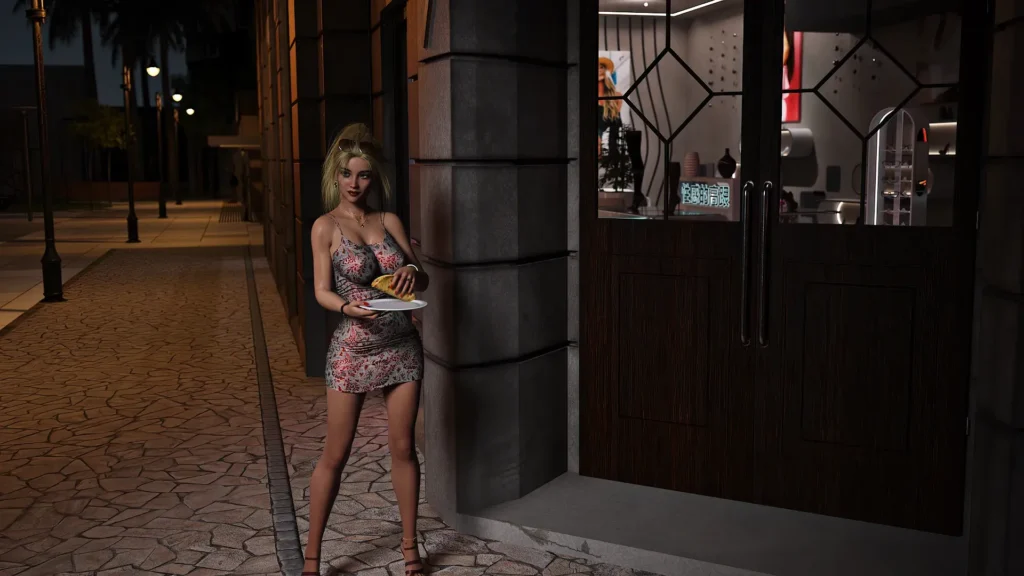














The Restaurant review
Master Management, Choices, and Secrets in This Addictive Sim
Ever stepped into a bustling eatery and wondered what steamy secrets hide behind the counter? That’s the thrill of The Restaurant, where you manage a family spot run by a sexy mother and daughter duo, blending savvy business sim with tantalizing encounters. I remember my first playthrough—nervously juggling orders while unlocking flirty chats that spiraled into unforgettable moments. This guide dives deep into The Restaurant gameplay, from smart resource hacks to branching stories that keep you hooked. Whether you’re chasing high scores or deeper connections, discover how to thrive in this immersive world of choices and cravings.
How to Dominate The Restaurant Gameplay Basics?
Ever find yourself staring at the screen of your favorite restaurant management sim, feeling completely overwhelmed? 😅 You’re not alone. When I first booted up The Restaurant, I was greeted by a bustling little eatery run by a hardworking mother-daughter duo, and I promptly proceeded to run it into the ground. I was serving whatever, buying random decor, and my weekly earnings were a pitiful 400k yen. I was stuck in a grind, burning Action Points (AP) on low-reward tasks and wondering why my place felt so… dead.
Then, I cracked the code. The Restaurant gameplay isn’t just about tapping buttons; it’s a vibrant, living system of choices, resource flow, and narrative consequences. This guide is your blueprint to go from struggling newbie to a master of the dining scene. We’re diving deep into the core loop, the secret economies of Shopping Points (SP) and Decoration Points, and the choices that make every playthrough uniquely yours. Let’s turn that virtual ramen shop into a legendary empire. 🍜✨
Mastering Daily Shifts and Resource Management
Your day in The Restaurant starts with a simple goal: serve customers, earn money and resources, and grow. But beneath that simple surface is a tight economy you must master. You directly control the flow of the shift, deciding which dishes to add to your menu and when to send your staff for skill training.
The heart of The Restaurant gameplay beats to the rhythm of two key currencies: Shopping Points (SP) and money (Yen). SP is your progression fuel, earned primarily by serving dishes. Each dish, from humble Miso Ramen to luxurious Tonkotsu, awards a set amount of SP and Yen based on its “star” quality. Here’s the golden rule I learned the hard way: prioritize high-star dishes from Day 1. It’s tempting to stick with the cheap, quick recipes, but that’s a slow road to nowhere. A 3-star dish might cost more to make, but its SP and cash payout will accelerate your growth exponentially.
Money is used for basic operations—buying recipe ingredients, paying bills—while SP is spent in the in-game Shop. And this is where the magic happens! The items you buy with SP don’t just look pretty; they grant Decoration Points. This is your core Decoration Points strategy. Hitting specific Decoration Point thresholds is what triggers customer events, brings in bigger crowds, and unlocks new narrative threads. It’s a compounding growth engine: more/better decor → more customers → more SP → better decor. I ignored this for my first week and plateaued hard. Once I focused my SP on decor, my restaurant’s popularity skyrocketed.
Balancing your Action Points (AP) is crucial. Every task—serving, training, managing events—costs AP. Early on, you have a limited pool. Wasting AP on inefficient actions is the fastest way to stall your progress. The tutorials will guide you, but the real skill is planning your day around your energy. Need a quick SP boost? Maybe run a shift focused on your top two high-star dishes. Saving up for a big decor purchase? Maybe it’s a training day for your staff’s efficiency stats.
To visualize how these systems interconnect, let’s break down the core resource mechanics:
| Mechanic | Description | Player Impact |
|---|---|---|
| Shopping Points (SP) | The premium progression currency earned by serving dishes. Value scales with dish star rating. | Used to buy decor, furniture, and special items from the Shop. Directly fuels your Decoration Points strategy. |
| Decoration Points | A score tallied from all placed decor and furniture in your restaurant. | Reaching milestones attracts more customers, triggers special events, and is essential for completing story quests. |
| Action Points (AP) | Your daily energy for performing tasks like serving, training, or participating in events. | Requires strategic allocation. Burning AP on low-SP dishes is inefficient. Managing AP is key to how to earn SP fast. |
| Dish Star Rating | A quality grade (1-5+ stars) for each recipe, influencing its SP/Yen reward and customer appeal. | Higher stars = exponentially better payouts. Unlocking and serving high-star dishes is the best Shopping Points SP guide tip. |
| Daily & Story Quests | Objectives that refresh daily or progress the narrative, found in the quest log. | Your roadmap for progression. Daily quests The Restaurant offers are consistent sources of bonus SP and resources. |
Unlocking Recipes and Upgrades for Max Profits
So, you understand the flow. Now, let’s supercharge it. Your menu is your engine, and upgrades are the high-octane fuel. The initial recipe list is just the beginning. As you play, you’ll unlock new, more profitable dishes. My breakthrough moment was finally unlocking a 4-star ramen variant. Suddenly, my SP income wasn’t linear; it was leaping forward.
This is where smart restaurant upgrades tips come into play. Don’t spend your SP willy-nilly on every cute poster you see. Have a plan. Early on, your Decoration Points strategy should focus on clusters of items that give the best point-to-SP cost ratio. Check the shop preview—some items give +5 Decoration Points for very little SP, while fancy items might cost 100 SP for +15. Early game, go for volume to hit those first few milestone thresholds quickly and start the event engine.
Staff training is a silent profit multiplier. Investing AP in training your mother or daughter character’s skills (like Service Speed or Cooking Efficiency) means they serve more customers per shift and make fewer mistakes. This directly translates to more SP per day. It feels slow, but it’s a long-term investment that pays off massively.
Speaking of daily quests The Restaurant provides, never skip them! 🙅♂️ These are your free bonus objectives. “Serve 5 Miso Ramen” or “Reach X Decoration Points” might seem simple, but the SP and item rewards they offer are vital for consistent growth. They are a cornerstone of any strategy for how to earn SP fast. Treat them as your daily to-do list.
Let’s get practical. Here is my personal battle plan for the critical first week, designed to build unstoppable momentum:
- Days 1-3: The Foundation Grind. Your sole focus is SP generation. Unlock and serve the highest-star dish you can afford. Re-invest all profits into unlocking the next, even higher-star recipe. Ignore fancy decor; buy only the cheapest items if a daily quest requires it. Your goal is to establish a strong, high-value menu.
- Day 4: The Decor Inflection Point. By now, you should have a stable 3-star dish. Take your saved SP and execute your Decoration Points strategy. Buy a strategic set of decor to smash through your first major Decoration Point milestone (e.g., 50 points). Watch as new customer types flood in.
- Days 5-7: Quest and Compound. With events now firing, use the bonus resources from them and your focused daily quests The Restaurant gives you to rapidly save SP. Unlock a 4-star dish. Use the profits to buy the bigger decor items, aiming for the next milestone (e.g., 150 points). This compounding loop is now active!
Navigating Choices That Shape Your Playstyle
What elevates The Restaurant from a good restaurant management sim to a great one is that your decisions carry real weight. This isn’t just about numbers going up; it’s about the story you craft. The mother-daughter dynamic is central, and the choices you make during events and conversations will shape their relationship, your restaurant’s reputation, and even open or close entire story branches.
I learned this through failure. In one playthrough, I was a ruthless capitalist. I chose dialogue options focused solely on profit, cut corners on ingredients, and ignored my staff’s morale to maximize short-term gains. Sure, my money flow was strong for a bit, but then the “corruption” mechanic (a brilliant system tracking your shady decisions) started to affect things. Customer satisfaction dropped, special events dried up, and the narrative took a dark, stressful turn. The game felt punishing and hollow.
So, I started over. This time, I balanced commerce with care. I invested in quality ingredients, chose kind dialogue options, and made choices that boosted our “family” reputation. The difference was night and day. 🤩 Not only did I unlock special bonus events and loyal customers, but the entire atmosphere of the game changed. The narrative felt warmer, rewarding, and full of potential. It proved that The Restaurant gameplay is a true role-playing experience.
These choices are everywhere. Will you expand your restaurant to a new location, like the school spot mentioned in recent updates? Will you specialize in a certain cuisine? Will you help a regular in need, even if it costs you a day’s profits? Each decision branches your story. This narrative depth, woven directly into the management mechanics, is what makes the sim feel alive. You’re not just managing a business; you’re guiding a story.
This blend of tactical resource management—your SP guide plans and your Decoration Points strategy—with heartfelt, consequential storytelling is the secret sauce. It’s why you’ll think about your restaurant when you’re not playing. You’re not just optimizing a system; you’re nurturing a world. Start with the high-star dishes, invest in decor with purpose, chase those daily quests, and always remember that every choice, from menu items to kind words, writes the legend of your restaurant. Now get out there and build your culinary empire
From juggling SP and decor to weaving through branching paths with the vibrant cast, The Restaurant delivers a gripping mix of strategy and intimate storytelling that had me replaying for weeks. My favorite run turned a struggling spot into a hotspot through savvy choices and bold interactions—yours can too. Dive in today, experiment with decisions, and uncover every hidden scene. Ready to take the helm? Fire up The Restaurant now and craft your own legendary shifts.