
The Silver Lining
Play The Silver Lining
The Silver Lining Screenshots



The Silver Lining review
A candid look at The Silver Lining adult game, from core gameplay to community impressions
The Silver Lining is an adult-focused game that blends visual storytelling with interactive scenes, and a lot of players are curious whether it truly stands out or is just more of the same. In this guide, I’ll walk you through what The Silver Lining actually offers once you sit down to play it, from pacing and art direction to interactive systems and community-made tweaks. Instead of marketing promises, you’ll get a grounded, experience-based breakdown so you can decide if The Silver Lining belongs in your library, or if you’re better off skipping it.
What Is The Silver Lining Game All About?
So, you’ve heard the name The Silver Lining whispered in certain corners of the internet, maybe seen a few intriguing screenshots, and now you’re wondering: what is this thing, really? 🤔 Is it just another adult visual game, or is there something more under the surface? I was in your exact shoes not too long ago, scrolling past vague forum posts and cryptic recommendations. Let’s pull back the curtain together.
At its heart, The Silver Lining game is an adult visual game that focuses on narrative and character first. Think of it less as a series of scenes you click through to reach a “goal,” and more like stepping into an interactive drama where your choices shape relationships and outcomes. The mature content is woven into the fabric of the story, acting as a result of connection and consequence rather than a standalone feature. It’s a slow-burn, character-driven experience where mood and emotional stakes are paramount. My goal here is to give you a candid, spoiler-light look at what this game is all about, from its core premise to whether it’s worth your time.
Story and Setting: What Makes The Silver Lining Different?
If you’re asking “what is The Silver Lining” from a narrative standpoint, picture this: a world that feels familiar yet tinged with a subtle, melancholic magic. You aren’t a chosen hero or a blank slate. Instead, you step into the worn-out shoes of Leo, a young man returning to his coastal hometown after years away, burdened by a past he’d rather forget. The initial motivation is simple—settle your late grandfather’s affairs and get out—but the town of Oceanside has a way of pulling people back in. 🌊
The tone isn’t overly dark or slapstick funny; it occupies a compelling middle ground of slow-burn character drama. There’s a palpable sense of nostalgia, regret, and quiet hope. The supporting cast you meet early on—like the fiercely independent bookstore owner who knew your family, or the old friend whose life took a very different path—are immediately fleshed out. They have their own histories with you, their own quirks and guarded secrets.
So, what is The Silver Lining story hook in the early hours? For me, it wasn’t a bombastic event, but a quiet moment of moral ambiguity. Very early on, you’re faced with a decision about how to handle a piece of your grandfather’s legacy. One option is practical and detached, the other is sentimental and potentially costly. I chose the sentimental route, and the reaction from a character I’d just met wasn’t gratitude, but a look of profound disappointment and a sharp, “He would have hated that you did that.” It was a gut punch. It told me this wasn’t a game about picking “good” or “bad” dialogue options for points; it was about navigating the messy, often unforgiving expectations people have of you based on who you used to be. That moment sold me on the ride.
Gameplay Structure: How Do You Actually Play The Silver Lining?
Understanding The Silver Lining gameplay is key to setting your expectations. If you’re coming from fast-paced games, you’ll need to shift gears. This is a deliberate, narrative-focused experience.
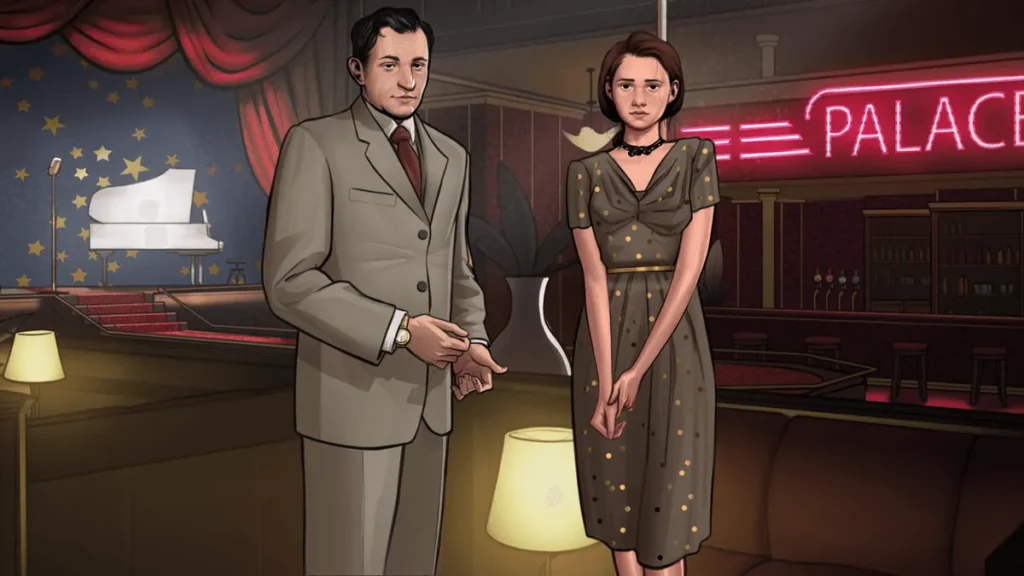
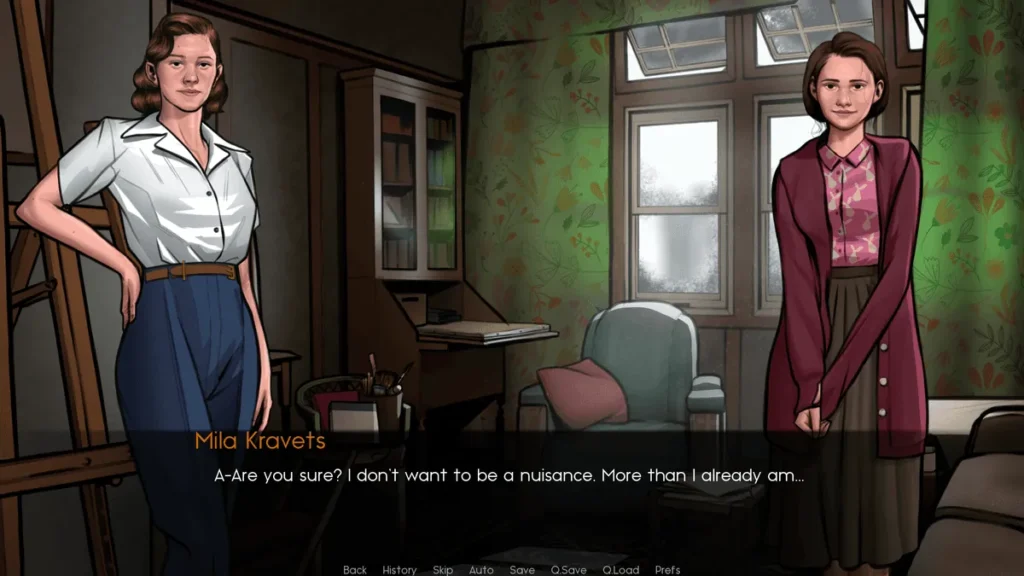
A typical play session moves through beautifully illustrated static scenes. You’ll read character dialogue and narration—the writing is the primary engine here—and periodically be presented with choices. These aren’t just “Chat/Flirt/Leave” buttons. They are nuanced, often reflecting different aspects of Leo’s personality: Will you be confrontational or avoidant? Nostalgic or dismissive? Practical or romantic? The choices feel weighty because they directly influence relationship meters and steer the narrative down branching paths.
Pacing is deliberate. Don’t expect to blaze through a major life event every ten minutes. The game unfolds over in-game days, letting you breathe in the atmosphere of Oceanside. You might spend a full chapter just reconnecting with one character, and it feels meaningful because of it.
Progression is where The Silver Lining shines for replay value. It’s not a single linear track. Your choices lock and unlock entire scenes, character routes, and of course, multiple endings. My first playthrough, where I was mostly honest and vulnerable, led to a specific, bittersweet conclusion with one character. My second, where I played Leo as more guarded and cynical, opened up a completely different storyline I didn’t even know existed! A first run can reasonably take anywhere from 8 to 12 hours, but to see everything? You’re looking at double that, easily.
In essence, here’s the core loop of what you’ll be doing:
- Read and Absorb: Engage with the well-written scenes and dialogue that build the world and characters.
- Choose with Intent: Make decisions that reflect how you want Leo to navigate his past and present.
- Manage Progression: Your choices influence hidden relationship scores and plot flags, guiding you toward one of several story arcs.
- Revisit and Explore: Jump back to key moments to see how different choices unravel alternative threads of the story.
To break it down further, here’s a quick look at the interactive elements:
| Activity | What It Involves | Player Mindset |
|---|---|---|
| Scene Exploration | Reading dialogue and narration, observing art details, clicking to advance text. | Be patient, read carefully. The story is in the details. |
| Making Choices | Selecting from 2-4 dialogue or action options at key story beats. | Think about character motivation, not just “best outcome.” |
| Route Progression | Unlocking new scenes and endings based on cumulative choice patterns. | Embrace the butterfly effect. Small choices have long tails. |
First-Hand Impressions: My Early Hours With The Silver Lining
Alright, let’s get into the real, unfiltered part of this The Silver Lining review. What’s it actually like to play? I went in cautiously optimistic but prepared for the worst—I’ve been burned by promising premises with flat execution before.
My first hour was a mix of slight impatience and growing intrigue. The art style felt a touch dated at first glance, but within minutes, I was struck by how effectively the character expressions were used. A slight furrow of the brow, a hesitant half-smile—the art tells so much of the emotional story. The interface is simple, though I did find the save/load system a bit clunky initially. However, any UI quibbles were quickly overshadowed by the writing. It was sharper, more natural, and more emotionally resonant than I’d dared hope. This wasn’t just functional text pushing a plot; it was establishing a mood and people I started to care about.
My biggest early surprise was the humor. In a game with such a melancholic core, the moments of levity land perfectly. A flashback scene with Leo and his grandfather involving a failed fishing trip had me genuinely chuckling, and it made the subsequent moments of loss hit all the harder. This balance is The Silver Lining game’s secret weapon.
“I realized I was holding my breath during a simple conversation about a missed phone call. That’s when I knew The Silver Lining wasn’t just a game I was playing; it was an experience I was feeling.”
Now, for the crucial question new players have: is The Silver Lining worth playing? From my experience, absolutely—but with a few caveats and pieces of advice.
My honest early-hours verdict: The strengths are profound. The narrative depth, the complex characters, and the integration of its adult themes into the story are top-tier for the genre. The weaknesses are mostly in presentation—some may find the pace too slow, and the initial aesthetic might not be for everyone.
So, here’s my actionable advice for you:
- Give it a full “in-game day.” The first hour is largely setup. Commit to seeing through Leo’s first full day back in Oceanside before you make a judgment. That’s when the rhythms of the gameplay and story truly click.
- Play for the story, not a checklist. If you’re mostly here for narrative, slow down. Read the choices carefully. Think about what you would feel, or what you think Leo would genuinely say, not which option seems to lead to a faster “reward.”
- Save often and in multiple slots. With so many branching paths, you’ll thank yourself later if you want to go back and explore a “what if” scenario without replaying everything.
- Embrace the vibe. Put on some headphones, minimize distractions, and let yourself be immersed in Oceanside’s atmosphere. This game rewards your attention.
So, is The Silver Lining worth playing? If you crave a narrative-driven experience where your choices carry emotional weight, where characters feel real and flawed, and where mature content is part of a larger, meaningful story, then this is unquestionably worth your time. It’s a thoughtful, engaging piece of interactive fiction that stays with you long after you’ve seen an ending. It’s a journey back to a place called home, in every complicated sense of the word, and I found it profoundly worthwhile. ✨
If you’ve been curious about The Silver Lining but hesitant to dive in, you now have a clear picture of what the game actually offers once you’re behind the screen. It blends a focused narrative with interactive scenes and character-driven choices, creating an experience that lives or dies on how much you enjoy its world and cast. By going in with the right expectations around pacing, structure, and style, you can decide quickly whether it’s the kind of adult title that clicks with you or one to skip. If the mix of story, choice, and mature themes sounds appealing, give The Silver Lining an honest test run and see whether its particular vibe delivers for you.