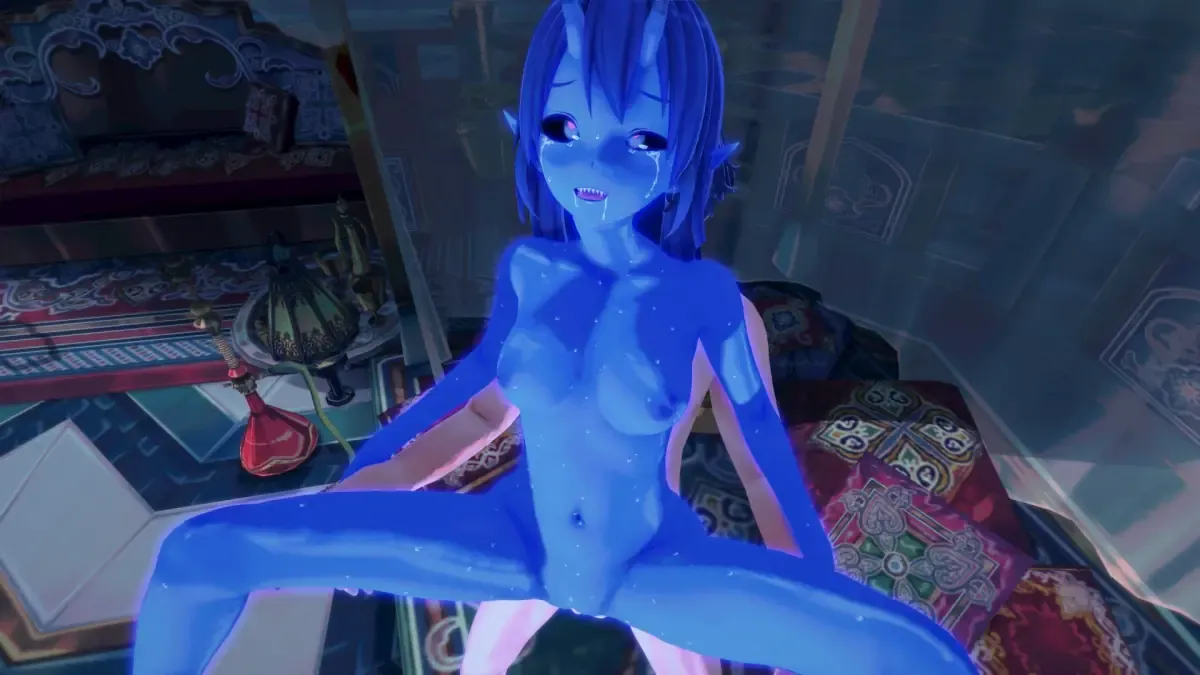
Play Welcome to Free Will
Welcome to Free Will Screenshots
















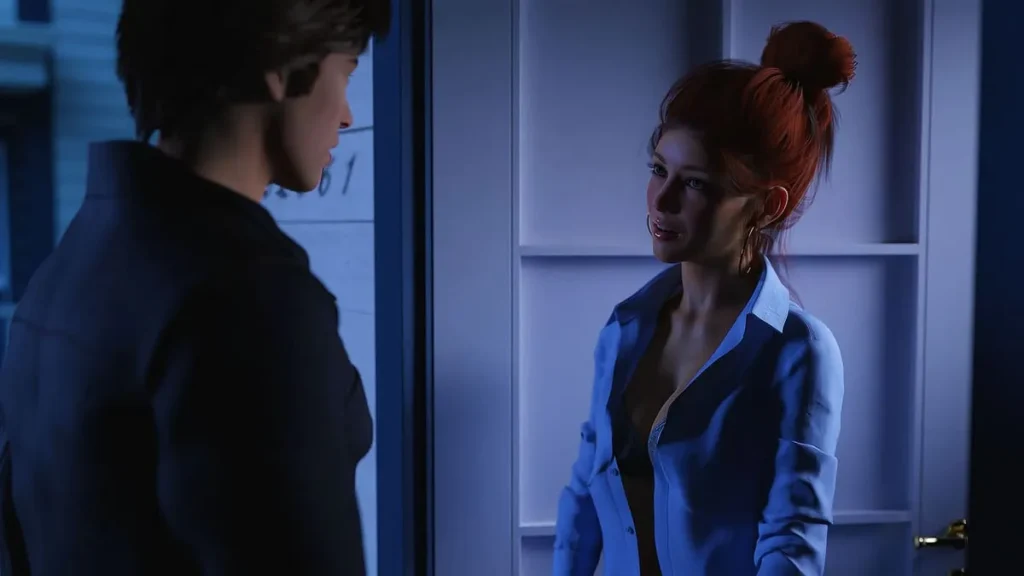

Welcome to Free Will review
A player-focused guide to the world, choices, and experience in Welcome to Free Will
Welcome to Free Will is an interactive visual novel where your decisions shape the story, relationships, and overall experience from start to finish. From the first scene, the game leans heavily into player choice, multiple narrative paths, and branching outcomes that reward curiosity and replaying. In this guide, I’ll walk you through how Welcome to Free Will works, what kind of content and tone to expect, and how the choice system impacts your journey. I’ll also share some personal impressions from my first runs so you can decide if this is the right game for you.
What Is Welcome to Free Will and How Does It Play?
So, you’ve seen the title screen, maybe a stunning piece of key art, and you’re wondering: what is this game all about? 🤔 If you’re tired of stories that play out the same way every time and crave a world that genuinely reacts to your decisions, you’re in the right place. Welcome to Free Will isn’t just a name—it’s a promise. This is your deep dive into what makes this choice based adult game a standout experience, from its gripping story to the mechanics that put you firmly in the driver’s seat.
Let’s pull back the curtain on the Welcome to Free Will game and see how it plays.
Core premise and story setup in Welcome to Free Will
At its heart, Welcome to Free Will is a narrative-driven Welcome to Free Will visual novel built around one powerful idea: your decisions sculpt everything. You step into the shoes of a protagonist at a major crossroads, arriving in the vibrant, sometimes chaotic city of Free Will. It’s a place of opportunity, complex social webs, and secrets waiting to be uncovered.
The core appeal here is player agency. The game is meticulously structured so that your dialogue choices, big and small, directly influence your relationships, unlock (or lock away) entire story threads, and determine your romantic path. The tone is mature, focusing on authentic character development, nuanced relationships, and the consequences of living with your choices. It’s less about mindless action and more about the drama, tension, and connection that comes from truly interactive storytelling. 🎭
The basic flow is deceptively simple. You’ll read through beautifully presented dialogue and narration, with expressive character portraits bringing the cast to life. When it’s time to decide, a choice menu appears. Some choices are relaxed, letting you ponder, while others are timed, pushing you to go with your gut—which makes the experience incredibly immersive.
The interface is clean and intuitive. Dialogue windows are easy to read, scene transitions are smooth, and you’re never more than a click away from your save/load menu. And you’ll be using that save menu a lot! Because decisions are critical, the ability to save before a major choice and explore different outcomes is a core part of the Welcome to Free Will gameplay. It turns a single playthrough into a sandbox of narrative possibilities.
To sum up the premise, think of it as:
- A Story You Direct: This isn’t a passive read; it’s a collaborative story between you and the game.
- Choices That Matter: From what you say at a party to how you handle a conflict, the game remembers.
- Branching Paths: Your journey can veer in wildly different directions based on key decisions.
- High Replay Value: One ending is just the beginning. Seeing what could have been is a huge part of the fun.
How the choice and consequence system works
This is where the Welcome to Free Will visual novel truly shines. The choice system isn’t for show; it’s the engine of the entire experience. How does Welcome to Free Will work on a mechanical level? It’s all about invisible flags, relationship points, and narrative triggers that quietly reshape your world.
Let’s break it down practically. Your decisions primarily do three things:
- Open or Close Story Branches: Major decisions act as forks in the road. Choosing to spend an evening with one character might automatically make another character unavailable for a crucial event later, sending you down a completely different plotline.
- Influence Character Reactions: Every character has their own personality and memory. Consistently choosing supportive, kind dialogue with someone will build trust and open up vulnerable, intimate scenes. Conversely, a pattern of sarcastic or dismissive replies will make them cold and distant, potentially shutting down their route entirely.
- Unlock Special Events and Endings: The game is packed with hidden scenes and multiple endings that are gated behind specific choice combinations. Did you earn enough of a character’s trust by the mid-point? Did you discover a key piece of information by being nosy earlier? These checks unlock exclusive content, making your playthrough feel unique.
Pro Tip: Not every important choice is signaled with dramatic music or a “This decision will change everything!” warning. Sometimes, a seemingly casual offer for a coffee can be the pivotal moment. This design encourages careful reading and role-playing.
The choices often reflect moral stances or personality traits—are you bold or reserved? Cynical or hopeful? These decisions help you build a consistent version of the protagonist that feels like your own.
Here’s a spoiler-light example of the system in action:
Imagine a scene where a friend confesses a risky plan. You have two main choices: [Encourage their ambition] or [Urge caution].
* If you choose to encourage them, you might later unlock a scene where they take the leap, leading to a thrilling, high-stakes sequence where your support is their anchor.
* If you urge caution, you might instead unlock a quieter scene later where they thank you for being the voice of reason, strengthening your bond through trust rather than adrenaline.*
These aren’t just “good” or “bad” endings; they’re different stories that feel earned.
To visualize the types of choices you’ll face, here’s a quick breakdown:
| Choice Type | What It Often Affects | Example Tone |
|---|---|---|
| Personality-Driven | How characters perceive you; unlocks dialogue tailored to your “type.” | Charming, Sarcastic, Stoic, Compassionate |
| Relationship-Shaping | Directly increases/decreases affinity with a specific character. | “I believe in you.” vs. “You should reconsider.” |
| Plot-Altering | Directs the core narrative down Branch A or Branch B. | Investigate the lead alone / Bring a friend along |
My first playthrough experience with Welcome to Free Will
My Welcome to Free Will first impressions were dominated by its gorgeous, evocative art style and the immediate weight of the first real choices. I went in blind, determined to role-play as “myset” — curious, generally kind, but fiercely independent. I avoided walkthroughs and vowed to live with my decisions. 😅
What drew me in immediately was the atmosphere. The game establishes a sense of place so effectively that you feel the potential of Free Will city right away. I found myself naturally leaning into choices that prioritized uncovering secrets and helping characters who seemed a bit lost. I played a meddler with a good heart, I suppose.
Then came the moment. About two hours in, I hit a major story beat that felt… oddly truncated. A character I thought I was close with gave me a brief, polite brush-off. Confused, I later mentioned this scene to a friend who was playing simultaneously. Their description was totally different! They got an intense, emotional confession scene with that same character.
We compared notes and traced it back to a decision I’d made hours prior. In what felt like a minor, throwaway interaction, I had chosen to respect a character’s privacy. My friend had chosen to gently push for answers. That single, unassuming choice had silently set a flag that completely changed the emotional payoff of a later chapter. My jaw dropped. It wasn’t a failure; it was my story, diverging in real-time from someone else’s. That’s the magic of this interactive story with choices.
That first run was messy, sometimes bittersweet, and uniquely mine. I missed entire subplots and one character barely spoke to me by the end! But that’s what makes the Welcome to Free Will game so compelling. As the credits rolled, my first thought wasn’t “That’s over,” but “I need to start again.” I wanted to see what happened if I took that other job, if I trusted that shady contact, if I was more blunt with my feelings.
This replay value is the game’s secret weapon. Your second playthrough isn’t a chore; it’s a new adventure. You approach early choices with foreknowledge, hunting for those hidden scenes and alternative endings. You get to ask “What if?” and then immediately go find out. It transforms the experience from playing a story to truly exploring a world—the world of Welcome to Free Will.
Welcome to Free Will leans into what interactive fiction does best: putting you in the driver’s seat and letting your decisions define the journey. Across my own runs, I kept noticing new branches, different reactions, and scenes I completely missed the first time, which made each return feel fresh instead of repetitive. If you enjoy story‑driven experiences where relationships, dialogue, and consequences matter more than reflexes, this game is worth exploring. Take your time with the choices, experiment with different play styles, and do not be afraid to start a second or third route—Welcome to Free Will rewards curiosity and commitment in all the right ways.