Inner Growth
Play Inner Growth
Inner Growth Screenshots





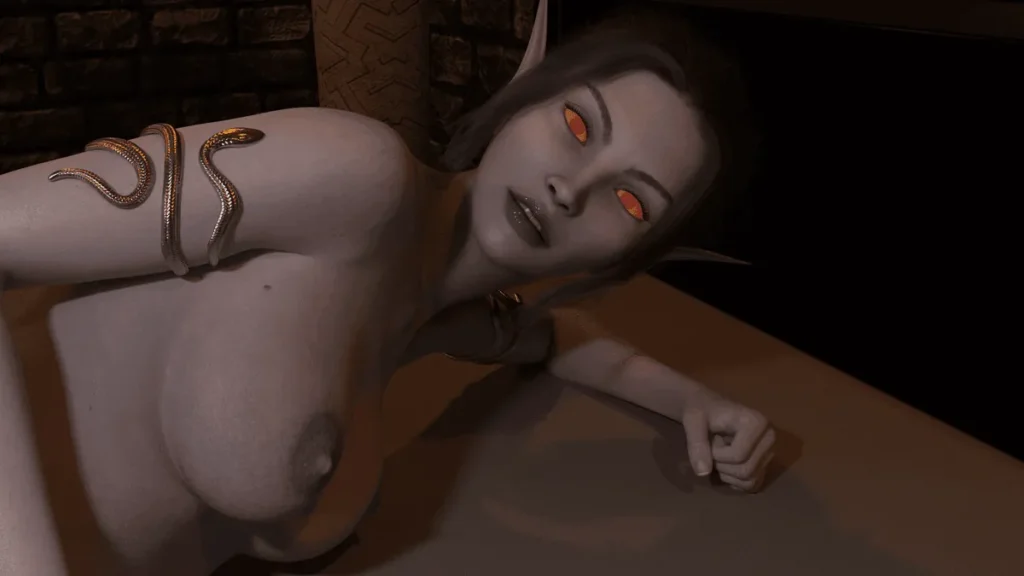
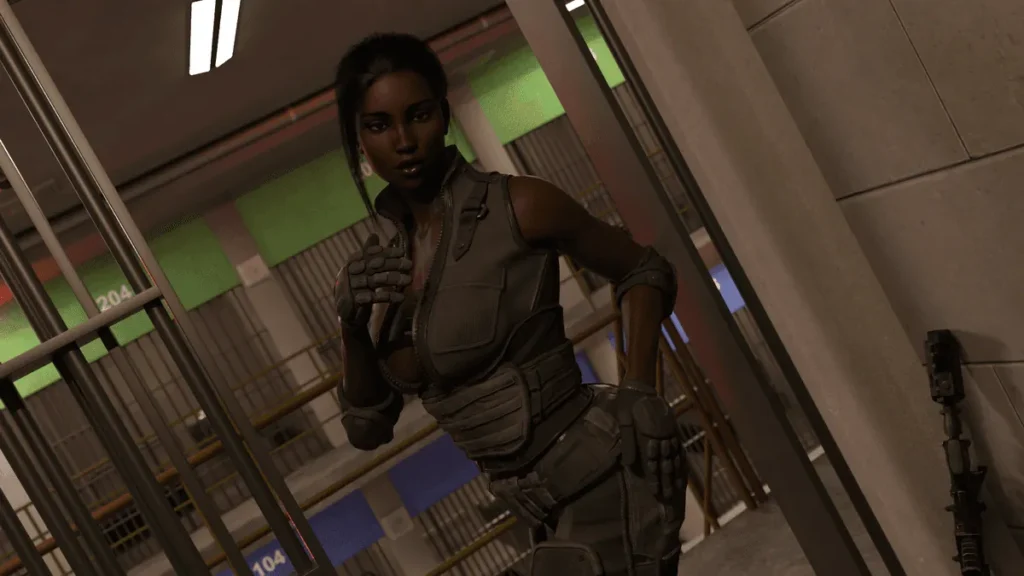


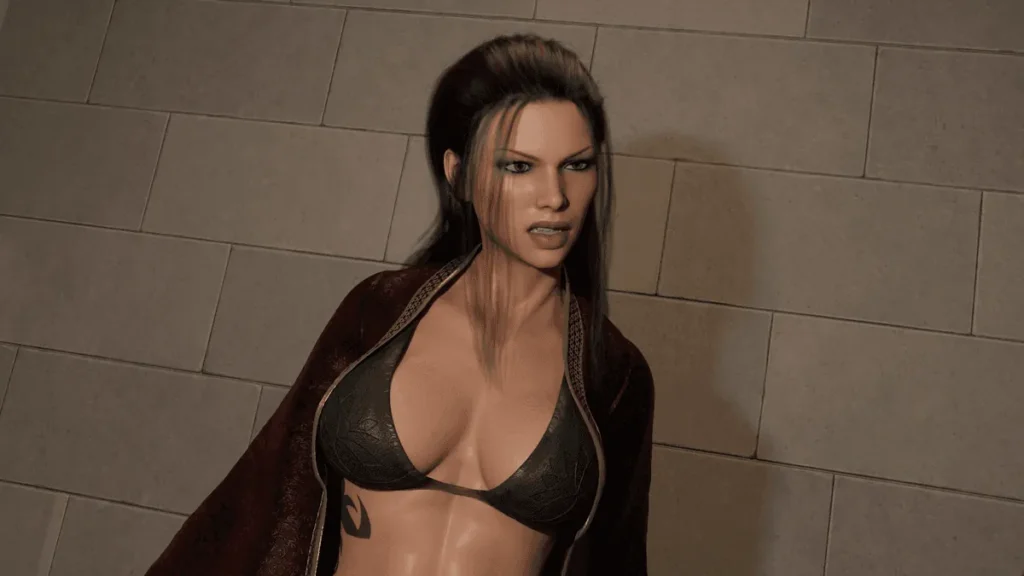


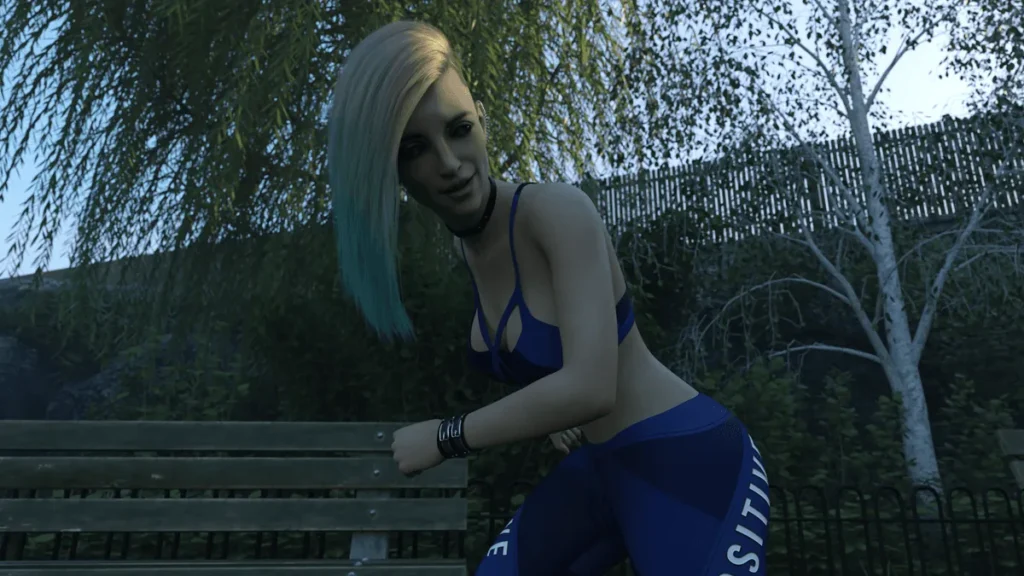
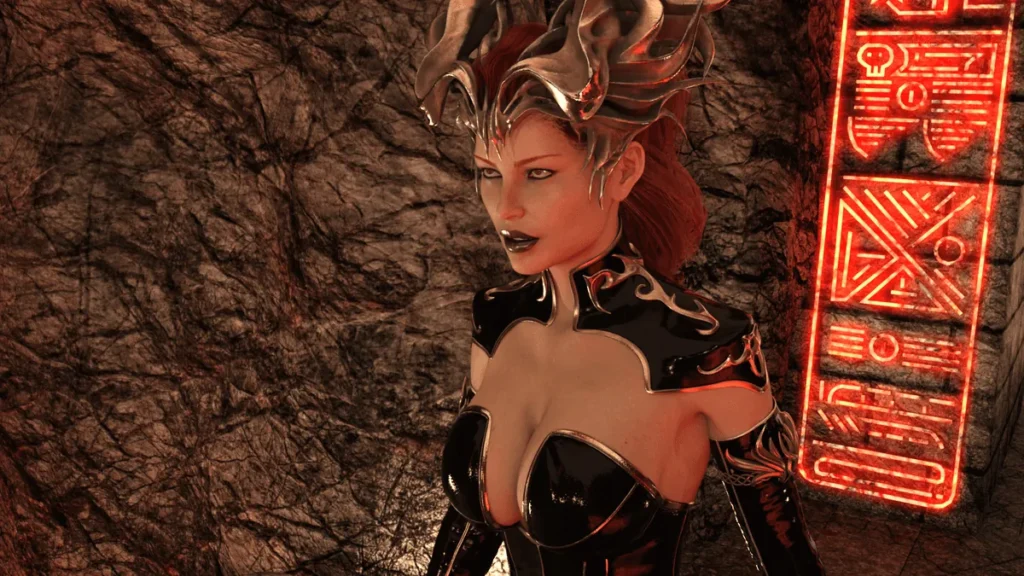
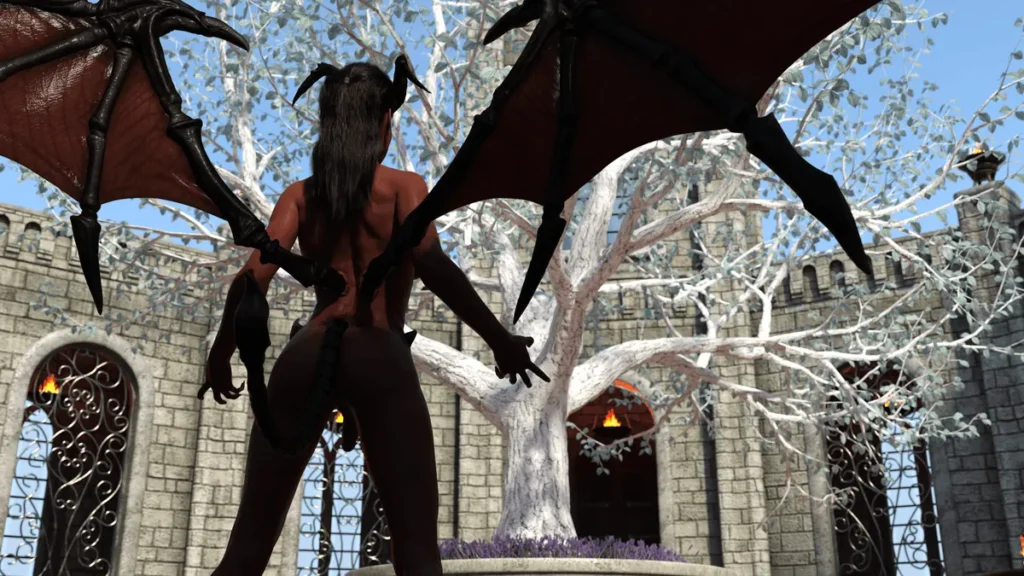

Inner Growth review
Explore how this fantasy visual novel blends meaningful choices with emotional storytelling
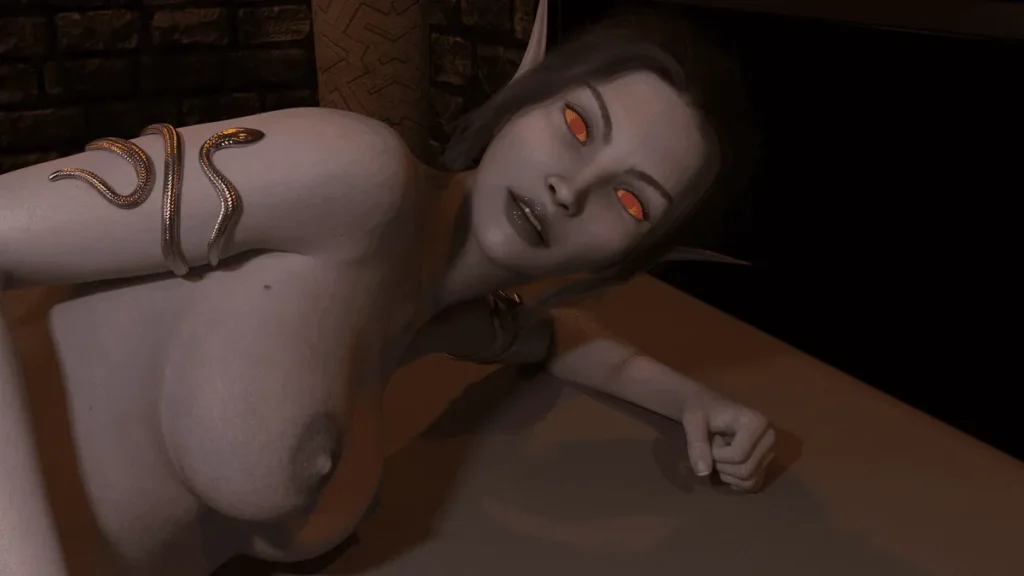
Inner Growth stands out as a narrative-driven visual novel that redefines adult gaming by embedding psychological development within its core mechanics. Developed by Morally Purple, this decision-based game follows Thalna, a protagonist forced to transition from the underworld to the human realm, where every choice carries significant consequences. Unlike traditional games that prioritize linear storytelling, Inner Growth emphasizes player agency, allowing your decisions to shape relationships, character development, and multiple branching storylines. The game transforms intimate moments into catalysts for character evolution, requiring players to navigate complex moral decisions in a richly detailed fantasy world where no two playthroughs feel identical.
Understanding Inner Growth’s Unique Gameplay and Narrative Design
Ever picked up a visual novel, made what felt like a huge choice, only to discover it just changed a single line of dialogue? 🤔 Yeah, me too. It’s a bit deflating. You’re promised a world shaped by your decisions, but often, you’re just a passenger on a very pretty, but very linear, train ride.
That’s exactly why Inner Growth felt like a revelation. This isn’t just another story you click through; it’s a deeply personal, decision-based visual novel where every click carries weight. You don’t just guide the story—you are the architect of its soul. Let’s pull back the curtain and explore what makes its blend of narrative-driven gameplay mechanics and raw emotion so uniquely compelling.
### What Makes Inner Growth Different From Traditional Visual Novels
At first glance, you might see a beautiful fantasy world and think you know what to expect. But Inner Growth flips the script from the very premise. You are Thalna, not a typical hero, but the princess of the underworld—a being of immense, often frightening power—who is abruptly exiled to the human realm. Stripped of your status and trying to blend in, you’re not on a quest to save the world. You’re on a quest to save, or perhaps discover, yourself.
This shift in perspective is everything. Instead of grand, world-altering plot beats, the drama is intimate, internal, and relational. The game’s genius lies in how it translates Thalna’s internal conflict into its core gameplay mechanics. Your choices aren’t about “good vs. evil” in a cartoonish sense; they’re about survival, identity, connection, and the messy, moral choices of someone caught between two worlds.
So, what truly sets it apart? Here are the key features that redefine the experience:
- A Living Ledger of Consequences: Every decision, from a flippant remark to a major ethical stand, is logged. The game remembers, and characters remember. A kindness shown in Chapter 2 can become a lifeline in Chapter 6.
- Organic Relationship Dynamics: Relationships aren’t measured by a simple “love points” meter. They evolve through layered interactions—trust, shared secrets, conflicting ideals, and moments of vulnerability. A romantic connection might blossom from a fierce ideological debate, not just a series of compliments.
- Tone as a Gameplay Element: The narrative seamlessly shifts between dark, gothic undertones (reflecting Thalna’s heritage), whimsical slice-of-life moments (her awkward human experiences), and heartfelt, raw emotion. You don’t just watch this journey; you feel its tonal shifts based on the path you carve.
- Intimacy as Evolution: Perhaps the most significant departure is how the game handles intimate encounters. They are never mere “rewards.” They are narrative catalysts, pivotal moments of vulnerability that force character evolution, change dynamics irrevocably, and serve as the ultimate expression of player agency in visual novels.
This isn’t a passive story. It’s an experiential workshop in character development through choices.
### The Decision-Making System That Shapes Your Destiny
The heart of Inner Growth is a brilliantly woven system where choice is the primary language. This is a branching narrative game in the truest sense, but it’s more like a sprawling tree with interconnected roots than just separate branches. One choice can send tremors through multiple storylines at once.
Think of it like this: you’re not just choosing Dialogue A, B, or C. You’re subtly adjusting three core, hidden pillars in Thalna’s world:
1. Her Relationships: How others perceive her—as a monster, a misunderstood ally, a lover, or a leader.
2. Her Reputation: The rumor mill in the supernatural and human communities. Is she a dangerous exile or a potential protector?
3. Her Personal Resolve: Is she clinging to her underworld ruthlessness, embracing human compassion, or forging a painful, new third path?
Let me give you a real example from my first playthrough. Early on, I encountered a wounded supernatural creature, a minor spirit being hunted by paranoid townsfolk. I had a choice:
* Option A: Use my underworld authority to command it to leave, asserting cold, princely control.
* Option B: Risk exposure by using a sliver of my power to secretly heal it, showing forbidden compassion.
* Option C: Walk away, embodying detached survivalism.
I chose to heal it. A simple act, right? Here’s how that consequence-based storytelling played out:
- Immediate: The spirit vanished with a grateful look. Thalna felt a pang of… something. Not power, but connection.
- Two Chapters Later: That spirit reappeared during a tense confrontation with a hostile witch, subtly distracting her and giving me a crucial dialogue advantage I wouldn’t have had otherwise.
- Relationship Impact: A companion who witnessed the act, a cynical human hunter, later referenced it. “You’re softer than you look,” he said, and our dynamic shifted from pure mistrust to cautious respect, unlocking new, more personal conversation options.
- Reputation Impact: Unbeknownst to me, the witch reported my “unnatural healing” to a hidden council. This set me on a path of being watched by a secret faction I wouldn’t have met for several more hours in a more aggressive storyline.
This is the magic. A single, seemingly small moral choice rippled out to affect combat alternatives, character bonds, and major plot triggers. It made the world feel alive and responsive. My Thalna was becoming a secret guardian, and the game systems were reflecting that identity back to me.
This intricate web ensures that multiple playthroughs aren’t just about seeing a different ending slide; they are about living a fundamentally different life. The branching narrative game structure here is designed for exploration, urging you to ask, “Who else could I have been?”
### Character Development Through Meaningful Choices
In many games, your character “develops” because the script says they must. In Inner Growth, Thalna evolves because you make her. This is where the game transcends entertainment and becomes a genuine journey of character development through choices. Thalna starts as a blank slate forged in two conflicting worlds—entitled yet exiled, powerful yet vulnerable. Her growth is the entire point.
The fantasy visual novel with moral choices framework provides the perfect crucible for this. You’re not deciding on tax policy; you’re deciding whether to comfort a crying child who reminds you of your own lost innocence, or to harden your heart because attachments are a liability. These are choices that hurt, because they feel real. They force you to examine what “strength” and “growth” really mean for her.
This player agency in visual novels is most powerfully reflected in Thalna’s relationships. Let’s look at how different choice philosophies can shape a single companion, Kaelen, a knight sworn to hunt supernatural threats (like you).
| Your Choice Pattern | Impact on Kaelen’s Relationship | Resulting Character Arc for Thalna |
|---|---|---|
| Consistently choosing deception, leveraging underworld cunning, and hiding your true nature. | Relationship remains purely adversarial and professional. He sees you as a useful, but suspicious, informant. His personal questline about his haunted past remains closed. | Thalna becomes a isolated schemer, reinforcing her exile identity. Her growth is stunted, leaning into survivalist paranoia. |
| Mixing honesty with strategic reveals, showing moments of unexpected humanity or shared purpose. | A tense, slow-burning alliance forms. He begins to question his orders. His personal quest unlocks, centered on doubt and redemption, often putting him at odds with his own order. | Thalna walks a razor’s edge, learning to integrate her dual nature. Her growth is about balance and strategic trust. |
| Choosing radical honesty and compassion, even when it’s dangerous, and actively protecting the innocent. | Develops into a profound, conflicted bond. He may become a protector or even a romantic partner, actively betraying his vows for what he believes is right. His entire worldview shifts. | Thalna redefines her power as protection, not control. Her growth is transformative, embracing a new, self-made identity that transcends her origins. |
See the difference? 😲 Kaelen doesn’t have a fixed character; he has a potential character, shaped entirely by your Thalna. You are not unlocking pre-written scenes so much as co-authoring his very soul alongside your own. This is the pinnacle of narrative-driven gameplay mechanics.
The intimate moments in the game serve as the ultimate punctuation marks in these arcs. They aren’t checkpoints; they are emotional points of no return. A moment of closeness might be the first time Thalna allows herself to be physically seen without her magical glamour, a terrifying act of trust that permanently alters how that companion speaks to and about her. It’s vulnerability as power, and it makes every choice leading up to it vibrate with significance.
Inner Growth understands that true fantasy isn’t just about spells and realms; it’s about the fantasy of becoming. It gives you the tools—a profound decision-based visual novel framework, a sensitive branching narrative game engine, and a story ripe with moral choices—and then has the courage to let you build, stumble, and ultimately find your own meaning within its beautifully crafted world. Your save file isn’t just progress; it’s a portrait of a princess who became so much more, and a testament to the unparalleled power of consequence-based storytelling.
Inner Growth represents a thoughtful evolution in visual novel design, demonstrating that meaningful storytelling and mature content can coexist to create a genuinely transformative gaming experience. The game’s unwavering focus on decision-making, character development, and emotional growth sets it apart from traditional narratives. Through Thalna’s compelling journey between worlds, the intricate web of relationships and consequences, and the flexible choice system that ensures no two playthroughs feel identical, Inner Growth proves that player agency genuinely shapes the story experience. Whether you’re drawn to fantasy world-building, complex moral choices, or games that challenge you to reflect on vulnerability and personal growth, Inner Growth offers a richly layered experience that rewards thoughtful decision-making and encourages multiple playthroughs to explore different character paths and relationship outcomes.